
It’s just four pages long, yet it defines how an entire nation operates. The United States Constitution is the supreme law of the land, establishing the framework for the federal government and protecting the fundamental rights of its citizens. Written in 1787, it remains the oldest written national constitution still in use today.
But for many, the document feels like a relic of high school history class—something filled with complex language and old-fashioned ideas. In reality, the Constitution is a living, breathing document that influences everything from how we vote to what we can say online. Understanding it isn’t just an academic exercise; it’s essential for understanding your rights and how your government works.
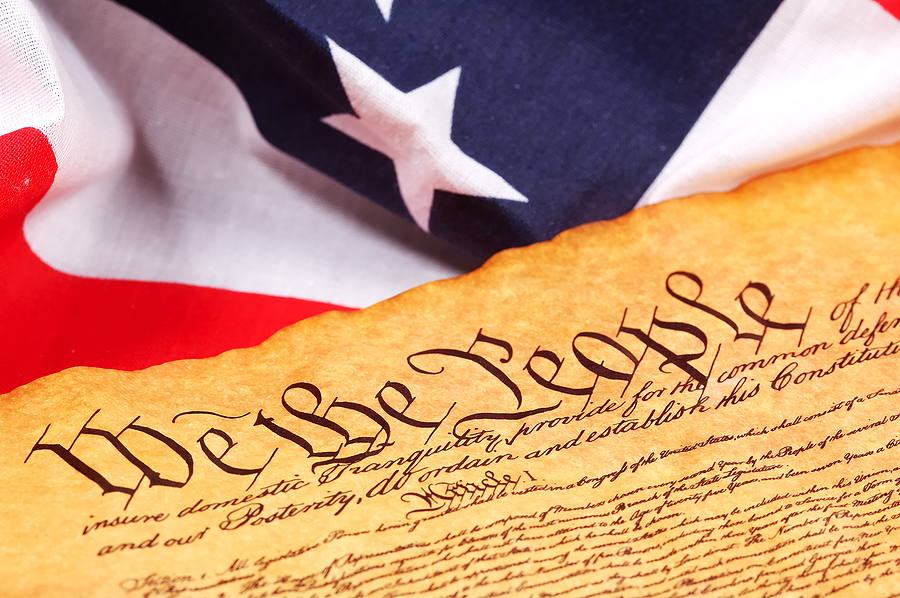
Core Principles of the Constitution
The Constitution wasn’t just a list of rules; it was a blueprint for a new kind of government. The Founders wanted to create a system that was strong enough to lead the country but restricted enough to prevent tyranny. To achieve this balance, they built the document around three major principles.
Separation of Powers
To prevent any single group from gaining too much control, the Constitution divides the federal government into three distinct branches, each with its own specific responsibilities:
- Legislative Branch (Congress): This branch makes the laws. It is bicameral, meaning it has two parts: the Senate and the House of Representatives.
- Executive Branch (The President): This branch enforces the laws. It includes the President, Vice President, and the Cabinet.
- Judicial Branch (The Supreme Court): This branch interprets the laws. It consists of the Supreme Court and lower federal courts.
Checks and Balances
Separating powers wasn’t enough; the Founders also wanted to ensure these branches could limit each other’s power. This system is known as “checks and balances.” For example:
- The President can veto laws passed by Congress.
- Congress can override a presidential veto with a two-thirds vote.
- The Supreme Court can declare laws passed by Congress or actions taken by the President unconstitutional.
- The President appoints federal judges, but the Senate must confirm them.
Federalism
The Constitution also divides power between the national (federal) government and the state governments. This principle is called federalism. The federal government handles national issues like defense, foreign policy, and currency. State governments manage local issues like education, transportation, and family law. Any power not specifically given to the federal government is reserved for the states or the people.
The Bill of Rights: Protecting Individual Liberties
When the Constitution was first proposed, many people opposed it because it didn’t explicitly protect individual rights. To address these concerns, ten amendments were added in 1791. These first ten amendments are collectively known as the Bill of Rights.
Amendment I
Guarantees freedom of religion, speech, the press, assembly, and the right to petition the government. It ensures you can voice your opinions and worship (or not worship) as you choose.
Amendment II
Protects the right to keep and bear arms. This amendment is the basis for gun ownership rights in the United States.
Amendment III
Prevents the government from forcing homeowners to house soldiers during peacetime without their consent. While rarely cited today, it was a major issue during the Revolutionary era.
Amendment IV
Protects against unreasonable searches and seizures. This means law enforcement generally needs a warrant based on probable cause to search your home or property.
Amendment V
Guarantees rights for people accused of crimes. It includes protection against double jeopardy (being tried twice for the same crime), the right to remain silent (protection against self-incrimination), and the right to due process.
Amendment VI
Ensures the right to a fair and speedy public trial by an impartial jury in criminal cases. It also guarantees the right to an attorney and to confront witnesses.
Looking for a Lawyer? Contact Us for a Free Case Review ⚖
Amendment VII
Guarantees the right to a jury trial in federal civil cases (disputes between individuals or businesses) where the value exceeds twenty dollars.
Amendment VIII
Prohibits excessive bail, excessive fines, and cruel and unusual punishment. This prevents the justice system from imposing harsh penalties that don’t fit the crime.
Amendment IX
States that the listing of specific rights in the Constitution does not mean that people do not have other rights. It acknowledges that citizens have rights beyond those written down.
Amendment X
Reaffirms the principle of federalism. It states that powers not delegated to the federal government are reserved for the states or the people.
Amendments 11-27: A Changing Nation
Since the Bill of Rights was ratified, only 17 more amendments have been added. These changes reflect how the nation has grown and evolved over two centuries, often addressing issues of equality, voting rights, and government procedure.
Notable amendments include:
- 13th Amendment (1865): Abolished slavery in the United States.
- 14th Amendment (1868): Granted citizenship to all persons born or naturalized in the U.S. and guaranteed equal protection under the law.
- 15th Amendment (1870): Prohibited denying the right to vote based on race, color, or previous condition of servitude.
- 19th Amendment (1920): Granted women the right to vote.
- 22nd Amendment (1951): Limited the President to two terms in office.
- 26th Amendment (1971): Lowered the voting age from 21 to 18.
- 27th Amendment (1992): The most recent amendment, which prevents Congress from giving itself a pay raise during the current session. Interestingly, it was originally proposed in 1789!
How the Constitution Affects Your Daily Life
It’s easy to think of the Constitution as a document for lawyers and judges, but its impact is felt in your everyday routine.
- When you post on social media: You are exercising your First Amendment right to free speech.
- When you refuse a police search of your car: You are relying on Fourth Amendment protections.
- When you vote in an election: You are using rights secured by the 15th, 19th, and 26th Amendments.
- When you receive a fair trial: If you ever face legal trouble, the 5th, 6th, and 8th Amendments ensure you are treated fairly by the justice system.
The Constitution provides a shield against government overreach and a mechanism for citizens to participate in their democracy. It serves as a constant reminder that in the United States, the ultimate power resides with the people.
Safeguarding Your Rights
The Constitution is more than just history; it is the active foundation of our freedom. It safeguards your voice, your home, and your liberty. However, these rights are only as strong as our willingness to understand and defend them. Whether it involves free speech issues or legal defense, knowing your constitutional protections is the first step in ensuring they are upheld.
If you are facing legal challenges and need a team that understands how to protect your constitutional rights, don’t navigate the system alone. We provide professional criminal defense services in Indianapolis, Indiana. Contact Us Today for a free case review and let us fight for you.
Related Post: Celebrating Bill of Rights Day: A Guide to Your Constitutional Liberties