
A court-ordered ankle monitor can feel like a constant reminder of a difficult chapter in your life. For many people in Indiana, it’s also a chance to serve a sentence at home, keep a job, and stay close to family. But that opportunity comes with strict rules—and breaking them can carry serious legal consequences.
This post explains how GPS ankle monitors work, what counts as tampering or removal, and the penalties you could face under Indiana law. If you’re wearing a monitor or have been accused of a violation, knowing your rights is the first step toward protecting your future.
What Is a GPS Ankle Monitor and Why Courts Use Them
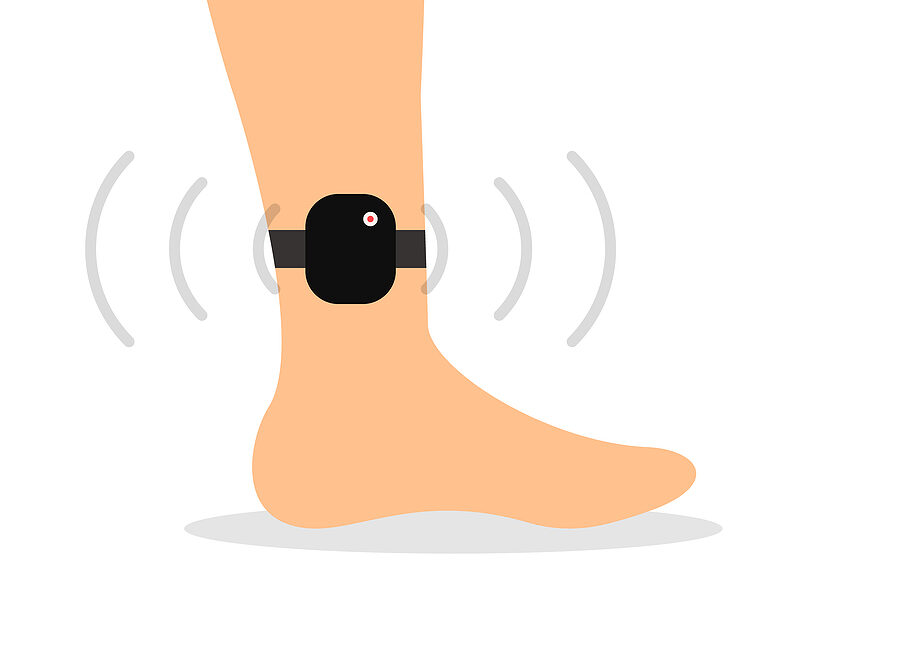
A GPS ankle monitor is an electronic device worn around the ankle that tracks a person’s location in real time. Courts use these devices as an alternative to jail or prison, allowing individuals to remain in the community while still being supervised.
Judges often order ankle monitors as a condition of:
- Home detention (also called house arrest)
- Probation or parole
- Pretrial release while a case is pending
- Community corrections programs
For the court, the monitor offers accountability. For the person wearing it, it offers freedom that wouldn’t otherwise exist. That trade-off is exactly why violations are taken so seriously.
How Ankle Monitoring Technology Works
GPS Tracking Explained
GPS monitors use satellite signals to pinpoint a person’s location and report it to a supervising agency. Many devices send continuous updates, so officers can see if someone leaves an approved area, enters a restricted zone, or goes off the grid entirely.
The device also records data over time, creating a detailed log of a person’s movements. If a violation is alleged, that record often becomes key evidence.
Common Types of Ankle Monitors
Not every ankle monitor does the same job. The most common types include:
- GPS monitors – Track location in real time using satellite signals.
- Radio frequency (RF) monitors – Confirm whether a person is home by communicating with a base station, often used for house arrest.
- Alcohol-detection monitors – Measure alcohol levels through the skin, frequently ordered in DUI cases.
The type of monitor a court assigns usually depends on the offense and the conditions of supervision.
What Counts as Tampering or Removal
Tampering is more than just cutting off the device. Under Indiana law, you can face charges for knowingly or intentionally:
- Removing the monitor without authorization
- Disabling the device
- Interfering with how the monitor operates
This includes blocking the signal, damaging the strap, or letting the battery die on purpose. Even leaving your approved home or traveling to an unauthorized location without permission can be treated as a violation.
The key word in the law is intentional. Accidental damage and equipment failures are treated differently than deliberate attempts to defeat the device.
Indiana Penalties for Tampering With an Ankle Monitor
It’s Charged as Escape
In Indiana, tampering with an electronic monitoring device isn’t a minor slap on the wrist. Under Indiana Code 35-44.1-3-4, a person who knowingly or intentionally removes, disables, or interferes with an electronic monitoring or GPS tracking device commits escape, a Level 6 felony.
Leaving your home or traveling to an unauthorized location in violation of a home detention order carries the same charge.
Fines and Incarceration
A Level 6 felony is the least severe felony in Indiana, but the consequences are still significant. According to Indiana sentencing guidelines, a Level 6 felony conviction can bring:
- A prison sentence ranging from 6 months to 2.5 years
- An advisory sentence of 1 year
- A fine of up to $10,000
On top of that, a felony conviction creates a permanent criminal record that can affect employment, housing, and other parts of your life long after the sentence ends.
Effect on Probation or Parole
A tampering allegation doesn’t only mean new criminal charges. It can also trigger a separate probation or parole violation. If a judge revokes your probation, you could be ordered to serve the original suspended sentence behind bars—on top of any new penalties from the escape charge.
Real-World Consequences
The stakes go beyond the courtroom. Once a monitor reports a violation, officers can act quickly, sometimes resulting in immediate arrest. A single mistake can turn a manageable home detention sentence into time in jail.
That’s why supervising agencies stress that the device must stay intact and functioning at all times. The data logged by the monitor is detailed, and it’s often difficult to argue against the record without strong legal guidance.
How to Avoid an Ankle Monitor Violation
Staying compliant is the best way to protect your freedom. A few practical habits can help:
- Charge the device on schedule. A dead battery can look like an intentional violation.
- Follow your approved movement plan. Know exactly where and when you’re allowed to travel.
- Report problems immediately. If the device malfunctions or feels loose, contact your supervising officer right away and document the call.
- Avoid activities that could damage it. Swimming, heavy impact, or exposure to extreme conditions can interfere with some devices.
- Keep your paperwork. Save any written authorization for travel or schedule changes.
- When in doubt, ask your supervising officer before you act. Documentation can make all the difference if your compliance is ever questioned.
When to Talk to a Lawyer
If you’ve been accused of tampering with or removing an ankle monitor, don’t assume the situation is hopeless. There are often valid explanations—equipment failure, signal loss, or a genuine accident. Because the law requires the act to be intentional, a skilled Indianapolis defense attorney can challenge the state’s claim that you meant to violate the rules.
Your lawyer can review the monitoring data, question the reliability of the device, and work to protect you from both the escape charge and any related probation violation.
Frequently Asked Questions
What if my ankle monitor malfunctions?
Contact your supervising officer the moment you notice a problem and document the conversation. Indiana’s tampering law applies to intentional acts, so a genuine equipment failure is different from deliberate interference. Keeping a record helps protect you if questions come up later.
Can I accidentally tamper with my monitor?
It’s possible to damage a device by accident—through impact, water exposure, or letting the battery drain. The law focuses on whether the act was knowing or intentional. Reporting accidents quickly and honestly is the best way to show you weren’t trying to defeat the monitor.
What should I do if I’m accused of a violation?
Stay calm and contact a criminal defense attorney as soon as possible. Avoid making statements without legal advice, gather any documentation you have, and let your lawyer review the monitoring records on your behalf.
Protect Your Future Today
A court-ordered ankle monitor is a second chance, and a single violation can put that chance at risk. But an accusation is not a conviction. With the right defense, you can fight the charges and protect your freedom.
If you’re facing a probation violation or tampering charge in Indianapolis, our criminal defense team is ready to help. Request a free case review today and let us start building your defense.
Related Post: What to Expect When Ordered to House Arrest in Indiana