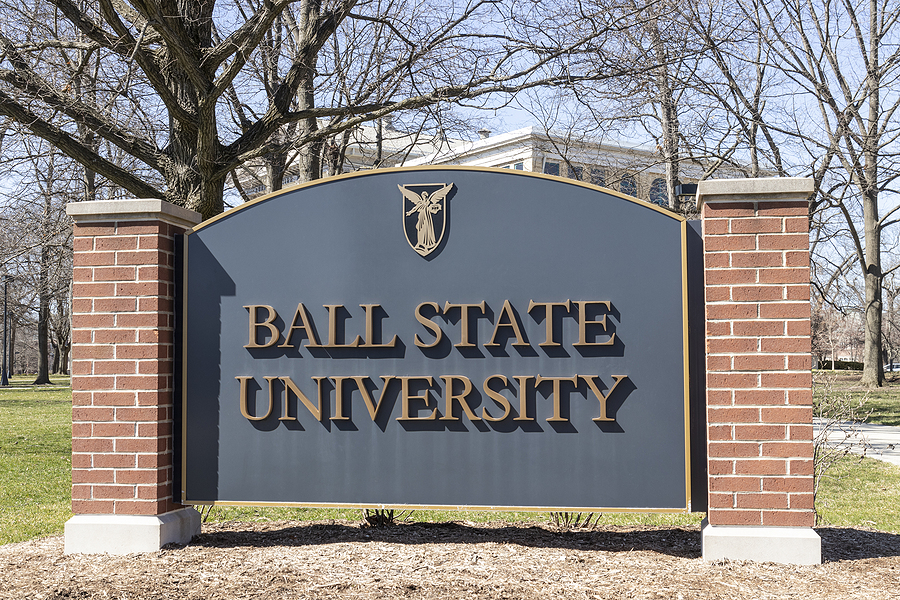
College is a time of immense personal growth, learning, and new experiences. However, a single mistake or misunderstanding can suddenly place a student in a highly stressful situation. Getting arrested while attending Ball State University in Muncie, Indiana, is an overwhelming experience that can leave students and their families feeling anxious and uncertain about the future.
A criminal charge does not just involve the local court system. It also triggers a parallel disciplinary process within the university itself. Navigating these two separate systems requires a clear understanding of your legal rights and the potential consequences for your academic career.
An arrest does not automatically mean a conviction, nor does it mean your time at college is over. Understanding the process ahead is the first step toward regaining control of the situation. This guide provides a comprehensive overview of what happens after an arrest at Ball State, from the initial booking to the university disciplinary hearings.
Understanding the Ball State Arrest Process
After an arrest by campus or local police, you will typically be transported to the Delaware County Jail for booking and processing. Law enforcement on and around campus is generally handled by the Ball State University Police Department (UPD) or the Muncie Police Department. When an officer determines there is probable cause that a crime has been committed, they can detain you.
Once arrested, you are taken to a local holding facility where your personal information, fingerprints, and photographs are recorded. Depending on the nature of the alleged offense, you might be held until an initial hearing takes place, or you may be released after posting bond.
It is incredibly important to remain polite and exercise your right to remain silent until you can speak with legal counsel. Anything you say during the arrest and booking process can be used against you in court and by the university.
Common Criminal Charges for Students
The most frequent charges for college students involve alcohol and controlled substances, ranging from minor consumption to drug possession. Understanding the specific Indiana laws associated with these offenses is crucial for anticipating potential penalties.
Public Intoxication
Under Indiana Code 7.1-5-1-3, it is illegal to be in a public place in a state of intoxication if you are endangering your own life, endangering someone else, breaching the peace, or harassing others. This is classified as a Class B misdemeanor. It carries a potential penalty of up to 180 days in jail and a maximum fine of $1,000.
Minor Consumption and Possession
Indiana enforces strict underage drinking laws. According to Indiana Code 7.1-5-7-7, knowingly possessing, consuming, or transporting an alcoholic beverage as a minor is a Class C misdemeanor. A conviction can lead to up to 60 days in jail and a $500 fine. The state does offer protections under the Indiana Lifeline Law, which provides immunity for certain alcohol offenses if a student requests emergency medical assistance for someone experiencing a medical emergency.
Drug Possession
Drug offenses vary significantly based on the substance and the amount. Possession of less than 30 grams of marijuana is a Class B misdemeanor under Indiana Code 35-48-4-11. However, possessing harsher substances like cocaine or a Schedule I or II narcotic drug is a Level 6 felony, which carries much steeper penalties, including potential prison time spanning from six months to two and a half years.
The Delaware County Legal System
Your criminal case will proceed through the local courts, starting with an initial hearing where charges are formally read and bail is determined. The criminal justice process in Delaware County follows a specific timeline.
After formal charges are filed by the prosecutor, you will attend an initial hearing. During this proceeding, a judge will read the charges against you, advise you of your constitutional rights, and enter a preliminary plea of not guilty.
From there, your legal representation will review the evidence gathered by law enforcement. Many student cases are resolved through plea agreements or pre-trial diversion programs. A pre-trial diversion program allows first-time offenders to complete certain requirements, like educational courses or community service, in exchange for having the charges dismissed.
If an agreement cannot be reached, the case will proceed to trial where a judge or jury will determine the outcome based on the standard of “beyond a reasonable doubt.”
Impact on Academic Standing
A criminal arrest triggers a separate disciplinary process under the Ball State University Code of Student Rights and Responsibilities. The university maintains jurisdiction over student behavior both on and off campus. If an arrest occurs, the Office of Student Conduct (OSC) will typically launch its own investigation. A designated case manager will contact you for a preliminary meeting to discuss the alleged violations and the range of possible sanctions.
Unlike the criminal court system, the university conducts its hearings using a “preponderance of the evidence” standard. This means the disciplinary board only needs to believe it is more likely than not that you violated the Code.
If found responsible, the Office of Student Conduct can impose a variety of sanctions. Minor infractions often result in educational requirements, official reprimands, or conduct probation. More serious offenses, particularly those involving drugs or violence, can lead to the termination of a housing contract, restriction from university facilities, or even suspension and expulsion from Ball State entirely.
Building a Strong Defense Strategy
Protecting your future requires a proactive legal strategy tailored to both the Delaware County courts and the university disciplinary board. Defending against criminal charges as a college student involves minimizing both legal penalties and academic fallout. Legal counsel can challenge the legality of the initial police stop, question how evidence was collected, or negotiate for entry into a deferral program that keeps a conviction off your record.
At the same time, preparation for the university’s conduct proceedings is essential. While you cannot have legal counsel represent you by speaking on your behalf during a Ball State conduct hearing, an Indiana criminal defense attorney can serve as your advisor behind the scenes. They can help you prepare your defense, organize witness statements, and ensure you do not say anything to the university that could compromise your pending criminal case.
Frequently Asked Questions
How does bail work in Delaware County?
Bail is a set amount of money required to release a person from jail while they await their court dates. In Delaware County, bail is either determined by a standard bond schedule based on the offense level or set by a judge during the initial hearing. Posting bail ensures the student can return to classes while the legal process unfolds.
Will Ball State notify my parents about the arrest?
The Family Educational Rights and Privacy Act (FERPA) generally protects the privacy of student education records. However, there are exceptions. If a student is under the age of 21 and is found responsible for violating laws or university policies regarding alcohol or controlled substances, Ball State administrators are permitted to contact parents or legal guardians to inform them of the situation.
Can I get an arrest off my record in Indiana?
Yes, Indiana law provides pathways for expungement to help individuals clear their records. Under Indiana Code 35-38-9, if your arrest did not result in a conviction, you can generally file to seal the arrest records one year after the date of the arrest. For most misdemeanor convictions, you must wait at least five years from the date of conviction before applying for expungement.
Protecting Your Future at Ball State
A single lapse in judgment should not compromise your education or your career prospects. The overlap between criminal court and university disciplinary proceedings creates a highly complex situation that requires careful maneuvering. Taking action quickly can help mitigate the consequences and protect your status as a student.
If you or your child are facing an uncertain future, reach out for experienced criminal defense for Ball State University arrests and criminal charges. Book a free case review today.
Related Post: What Happens When an Indiana College Student Commits a Crime?