
Every year on the third Monday of January, the United States pauses to honor the life and legacy of Dr. Martin Luther King Jr. While many view this federal holiday as a long weekend or a chance to participate in community service, it also serves as a powerful reminder of the legal battles fought to secure equality for all Americans.
Dr. King’s work was fundamentally about the law—challenging unjust statutes, advocating for new legislation, and demanding that the Constitution’s promises apply to every citizen, regardless of race. Because of the Civil Rights Movement, the legal landscape of the United States changed forever.
However, rights are only as powerful as your understanding of them. To truly honor this legacy, it is essential to understand the distinction between civil and criminal rights, how they intersect, and how they protect you today.
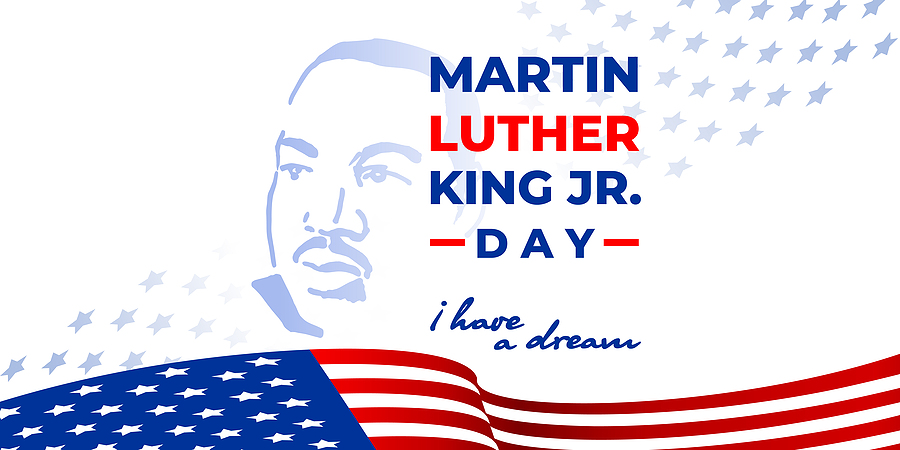
The History Behind Martin Luther King Jr. Day
The path to establishing Martin Luther King Jr. Day was nearly as arduous as the Civil Rights Movement itself. Although legislation to create the holiday was introduced just four days after Dr. King’s assassination in 1968, it took 15 years of persistence by activists and lawmakers to become a reality.
In 1983, President Ronald Reagan signed the bill into law, and the holiday was observed for the first time in 1986. Today, it stands as the only federal holiday designated as a national day of service—often referred to as “a day on, not a day off.” It challenges citizens to improve their communities, a mission that aligns perfectly with understanding and upholding the law.
Overview of Civil Rights Law
Civil rights are the legal provisions that protect individuals from discrimination and ensure equal social and political freedom. These laws typically govern how people are treated by the government, employers, and private organizations in education, housing, and employment.
Several landmark pieces of legislation anchor these protections:
The Civil Rights Act of 1964
This is perhaps the most significant civil rights law in U.S. history. Specifically, Title VII of this Act prohibits employment discrimination based on race, color, religion, sex, and national origin. It ensures that employers cannot hire, fire, or segregate employees based on these protected characteristics.
The Fair Housing Act of 1968
Housing is a fundamental necessity, and this Act makes it illegal to discriminate in the sale, rental, or financing of housing. Under this law, landlords and real estate agencies cannot refuse housing to someone based on race, religion, national origin, familial status, or disability.
Overview of Criminal Law and Civil Rights
While civil rights law often involves lawsuits between individuals or entities (seeking money or policy changes), criminal law involves the government prosecuting a person for breaking a statute. However, there is a significant intersection between the two, particularly when it comes to misconduct by authority figures.
Deprivation of Rights Under Color of Law
One of the most powerful tools in enforcing civil rights is 18 U.S.C. § 242. This federal statute makes it a crime for anyone acting under the “color of law” (such as police officers, prison guards, or government officials) to willfully deprive a person of a right or privilege protected by the Constitution.
For example, if a law enforcement officer uses excessive force during an arrest, they aren’t just violating police protocol; they may be committing a federal crime by depriving the suspect of their constitutional rights to due process and freedom from unreasonable seizure.
Hate Crimes
The legal system also recognizes that crimes motivated by bias harm not just the victim, but the community as a whole. Federal hate crime laws, such as the Matthew Shepard and James Byrd Jr. Hate Crimes Prevention Act, allow for federal prosecution of violent crimes committed because of the victim’s actual or perceived race, color, religion, national origin, gender, sexual orientation, gender identity, or disability.
Request a Free Meeting With a Criminal Lawyer in Indianapolis ⚖
Practical Examples: Civil vs. Criminal
Understanding the difference between a civil wrong and a criminal offense can be confusing. Here are a few scenarios to clarify the distinction:
Scenario 1: Housing Discrimination
- The Situation: A landlord refuses to rent an apartment to a qualified family because they have children.
- The Law: This is a violation of the Fair Housing Act (familial status).
- The Outcome: This is a civil matter. The family can file a complaint with the Department of Housing and Urban Development (HUD) or sue the landlord for damages.
Scenario 2: Excessive Force
- The Situation: A police officer severely beats a suspect who is already handcuffed and not resisting.
- The Law: This violates the suspect’s Fourth Amendment rights and 18 U.S.C. § 242.
- The Outcome: This can be both civil and criminal. The victim can sue the police department for civil damages (money). Simultaneously, the federal government (DOJ) can prosecute the officer for the crime of deprivation of rights.
Knowing Your Rights
Dr. King fought for the rights written on paper to become reality in practice. However, these protections only work if you know how to exercise them, particularly during interactions with law enforcement.
If You Are Stopped by Police
The American Civil Liberties Union (ACLU) outlines specific steps to protect yourself during police encounters:
- The Right to Remain Silent: You have the constitutional right to remain silent. You generally do not have to answer questions about where you are going, where you are from, or what you are doing. You should clearly state, “I wish to remain silent.”
- Free to Leave? If you are stopped on the street, ask calmly, “Am I free to go?” If the answer is yes, walk away calmly. If the cop tells you that you are detained, you must stay until they tell you that you are free to leave.
- Right to an Attorney: If you are arrested, ask for a lawyer immediately. Do not sign anything or answer questions without legal counsel present.
Search and Seizure
The Fourth Amendment protects you from unreasonable searches.
- Do Not Consent: If an officer asks to search your car, home, or person, you have the right to say no. State clearly, “I do not consent to this search.” If the police discover evidence deeming it reasonable to do so, known as reasonable suspicion, they can lawfully search without consent.
- Warrants: In most cases, police need a warrant to search your home. If they come to your door, ask to see the warrant. It must be signed by a judge and specifically list the address and items to be searched.
Frequently Asked Questions about MLK Day and Rights
Is Martin Luther King Jr. Day a federal holiday?
Yes. It was signed into law in 1983 and is observed on the third Monday of January. Government offices, post offices, and many schools and businesses are closed.
Does the First Amendment protect all forms of protest?
The First Amendment protects the right to peaceable assembly and free speech. However, the government can place reasonable restrictions on the “time, place, and manner” of protests (e.g., requiring a permit to block a street). It does not protect violence or property destruction.
Can I be charged with a crime for recording the police?
Generally, you have a First Amendment right to record police officers performing their duties in public, provided you do not interfere with their work or obstruct justice. If they ask you to step back or leave, you must comply, otherwise you can be arrested for obstruction. Officers cannot confiscate or delete your footage without a warrant.
Safeguarding the Dream
Martin Luther King Jr. Day is more than a commemoration of the past; it is a call to protect the future. The laws that Dr. King and his contemporaries fought for form the bedrock of our modern justice system. Whether it is the right to a fair trial, the right to equal housing, or the right to be free from excessive force, these protections define what it means to be an American citizen.
However, the legal system remains complex. When you find yourself facing criminal charges or a violation of your rights, navigating these statutes alone can be overwhelming. Ensuring you have experienced legal counsel is the best way to ensure your rights are respected.
Are you or a loved one facing criminal charges in Indianapolis? Don’t navigate the legal system alone. Contact Us Today for a free criminal case evaluation and let us fight to protect your rights.
Related Post: Understanding Civil Rights in the United States