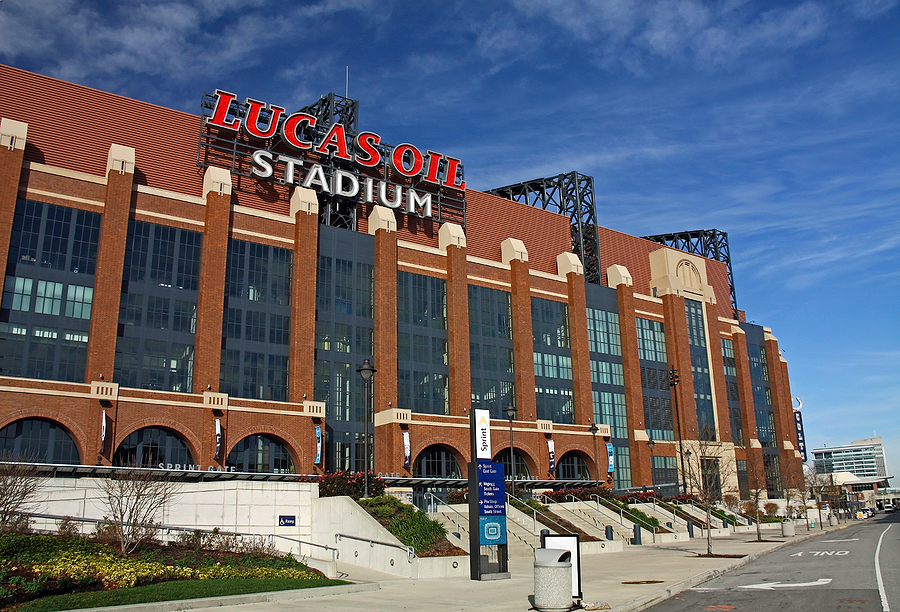
Getting arrested at a major sporting event is a disorienting, stressful experience. One moment you’re caught up in the excitement of the game; the next, you’re in handcuffs being escorted out of Lucas Oil Stadium. If this has happened to you or someone you care about, knowing what to expect—and what to do—can make a real difference in how things unfold.
This guide walks you through everything: common reasons people get arrested at Lucas Oil Stadium, what the booking process looks like, your legal rights, and why securing experienced legal counsel early is one of the most important decisions you can make.
Common Reasons for Arrests at Sporting Events
Large venues like Lucas Oil Stadium bring tens of thousands of people together, often with alcohol flowing and emotions running high. That combination creates predictable flashpoints.
Public Intoxication and Disorderly Conduct
Public intoxication is one of the most frequent charges at sporting events. Under Indiana Code § 7.1-5-1-3, a person can be charged with public intoxication if they are in a public place while intoxicated and posing a danger to themselves or others, or causing a disturbance. Disorderly conduct under Indiana Code § 35-45-1-3 is often filed alongside or separately, covering conduct like fighting, making unreasonable noise, or disrupting others.
Drug Offenses and Paraphernalia
Stadium security and law enforcement are trained to look for drug activity. Possession of a controlled substance—even a small amount—can result in a misdemeanor or felony charge depending on the substance and quantity. Possession of paraphernalia carries its own set of penalties under Indiana law.
Assault and Battery Charges
Tempers can flare between fans, particularly in close quarters. Even a shoving match can lead to a battery charge under Indiana Code § 35-42-2-1. If injury results or a weapon is involved, those charges escalate quickly.
The Arrest Process: From Stadium to Station
Initial Detention and Questioning
Before a formal arrest, security or law enforcement may detain you for questioning. At this stage, you are not obligated to answer questions about the alleged incident—and it’s generally in your best interest not to. Politely declining to discuss the matter while remaining calm and cooperative is the right move.
Transport to Marion County Jail
If you are formally arrested, you’ll be transported to the Marion County Adult Detention Center (commonly referred to as Marion County Jail), which serves as the central processing hub for arrests in Indianapolis. The facility is operated by the Marion County Sheriff’s Office and handles bookings 24 hours a day.
Booking Procedures and Your Rights
The booking process involves several steps:
- Identity verification and paperwork from the arresting officer
- Medical and mental health screening to assess your immediate health needs
- Fingerprinting, which is run through state and national databases to check for outstanding warrants
- Mugshots documenting your physical appearance at intake
- Warrant checks at the county, state, and federal level
- Property inventory, where personal items like your phone and wallet are catalogued and held until release
From arrival to being formally booked and eligible for bond, the process typically takes 4 to 8 hours in straightforward cases. During busy periods—like a major Colts game, a concert, or a holiday weekend—that window can extend to 12 to 24 hours or longer due to higher arrest volumes and staffing constraints.
Indiana law requires that anyone arrested without a warrant must receive a probable cause determination within 48 hours of arrest. If that doesn’t happen, the detainee may be entitled to release.
Legal Ramifications of an Arrest in Indianapolis
Misdemeanor vs. Felony Charges
Not all arrests carry the same weight. A first-time public intoxication charge is typically a Class B misdemeanor in Indiana, while a battery resulting in injury may be charged as a Level 6 felony. Drug charges vary widely depending on the substance, quantity, and prior criminal history. The distinction matters enormously—felony convictions carry far harsher penalties and long-term consequences.
Potential Penalties and Fines
Indiana misdemeanor penalties range from up to 180 days in jail for a Class B, to up to one year for a Class A misdemeanor. Felony convictions can result in years of incarceration and substantial fines. Beyond immediate penalties, charges at a venue like Lucas Oil Stadium often involve trespass orders that can ban you from the facility permanently.
Impact on Your Record
Even a misdemeanor conviction can show up on background checks, affecting employment, housing, professional licenses, and more. An experienced attorney may be able to get charges reduced, dismissed, or diverted in a way that limits long-term damage to your record. You may even qualify for expungement after several years.
What to Do Immediately After an Arrest
Contacting Legal Counsel: The Importance of a Criminal Defense Attorney
The single most important step you can take after an arrest is to contact an Indianapolis criminal defense attorney—ideally before your initial court hearing. An attorney can assess the charges, identify weaknesses in the prosecution’s case, and in some circumstances, argue for bond reduction or release on recognizance at the earliest possible stage.
Remaining Silent and Avoiding Self-Incrimination
Your Fifth Amendment rights apply the moment you are detained. You are not required to answer questions about the alleged offense. Be polite, provide your name and basic identifying information, and let your attorney do the talking. Jail phone calls are often recorded—avoid discussing the specifics of your case over the phone.
Documenting the Incident
If possible, write down everything you can remember about the events leading up to your arrest as soon as you are able. Details fade quickly. Document who was present, what was said, and any interactions with security or law enforcement. This information can be valuable when building your defense.
The Role of a Criminal Defense Attorney in Indianapolis
Protecting Your Rights and Building Your Defense
A criminal defense attorney reviews everything: the police report, witness statements, surveillance footage, and the conduct of arresting officers. If your rights were violated during the arrest or booking process, that can directly affect the admissibility of evidence.
Getting the Best Possible Outcome
Whether the goal is dismissal, diversion, a reduced plea, or acquittal at trial, an attorney’s familiarity with Marion County courts and prosecutors is an asset that’s hard to overstate. Local experience matters. An attorney who regularly appears before Indianapolis judges knows the landscape in ways that directly benefit your case.
FAQs About Arrests at Lucas Oil Stadium
Can I be released on bail?
Yes. Once the booking process is complete, bond can typically be posted. Marion County Jail accepts bond payments 24 hours a day. However, the release process itself—after bond is paid—can take several additional hours due to the required paperwork and safety checks.
What if I’m from out of state?
Out-of-state arrests complicate things. An active warrant from another state can delay the release process significantly and may trigger extradition proceedings. An attorney can help you understand your obligations and options if this applies to your situation.
How long does the legal process take?
It depends on the charges. Misdemeanor cases in Marion County may resolve in weeks to a few months. Felony cases often take significantly longer. Your attorney will give you a realistic timeline based on the specifics of your case.
Don’t Face the Charges Alone
An arrest at Lucas Oil Stadium doesn’t have to define the rest of your life. The legal process that follows is complex, and the decisions you make early—especially about legal representation—carry long-term consequences. The sooner you have an experienced attorney in your corner, the better positioned you are to protect your rights and pursue the best possible outcome.
If you or a loved one has been arrested in Indianapolis, our firm is ready to help. A trusted and experienced Indianapolis criminal defense attorney, David E. Lewis fights for your rights and your freedoms—no matter the charge. Don’t wait—early legal intervention can make all the difference.
Related Posts:
What are the Penalties for Public Intoxication in Indiana?
Defending Against Disorderly Conduct Charges: A Roadmap For Indiana Residents
Bar Fights in Indiana: What to Expect Legally