
Getting pulled over is stressful enough without wondering what happens if an officer asks to search your vehicle. If you’re carrying a firearm, legally or not, that stress multiplies. Does a routine traffic stop give police the right to search your car for a weapon?
The short answer: it depends. Your vehicle doesn’t carry the same privacy protections as your home, but police still can’t search it on a whim. Specific legal conditions have to be met first. Knowing what those conditions are can make the difference between a stop that ends peacefully and one that leads to criminal charges.
This guide breaks down your Fourth Amendment rights, when officers can legally search your vehicle, and what steps to take if those rights are violated.
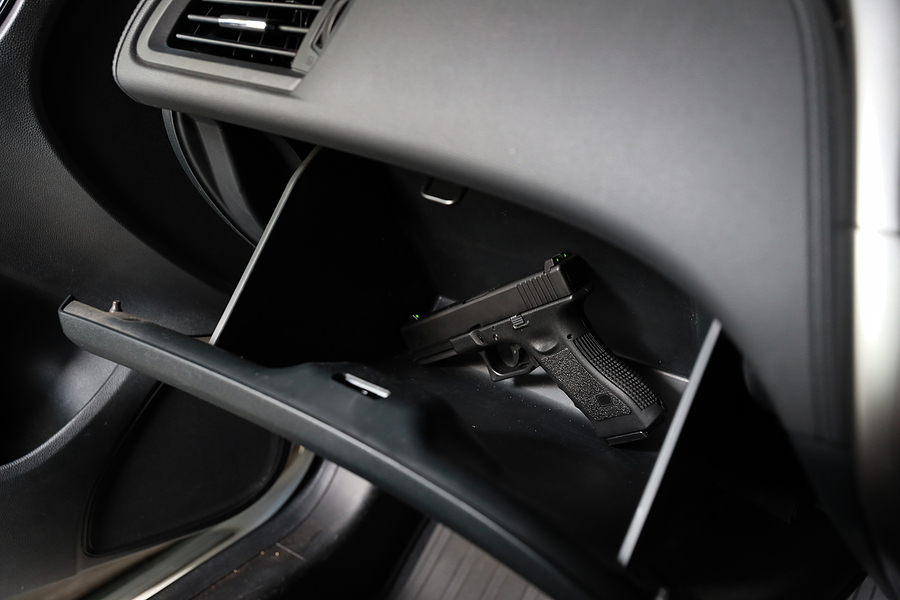
What the Fourth Amendment Says About Vehicle Searches
The Fourth Amendment protects you from unreasonable searches and seizures. In most cases, this means police need a warrant backed by probable cause before searching your property.
Vehicles, however, are treated differently than homes. Courts have long recognized that you have a lower expectation of privacy in your car. Because vehicles are mobile and can be driven away before a warrant is obtained, officers have more flexibility to search them without one—but that flexibility isn’t unlimited.
This distinction, often called the “automobile exception,” still requires officers to meet a specific legal standard before searching your car. A traffic stop by itself isn’t enough.
When Police Can Search Your Vehicle Without a Warrant
Several legal exceptions allow officers to search a vehicle without first obtaining a warrant.
Consent
If you agree to let an officer search your vehicle, you’ve waived your Fourth Amendment protection for that search. This is one of the most common ways evidence, including firearms, ends up in the hands of law enforcement. You are not required to give consent.
Probable Cause
If an officer has a reasonable, fact-based belief that your vehicle contains evidence of a crime, such as an illegal weapon, they may search it without a warrant. Probable cause requires more than a hunch. It must be based on specific, articulable facts.
Plain View Doctrine
If a firearm or other illegal item is visible in plain sight, such as on the passenger seat or dashboard, officers can seize it without a warrant. Once an item is in plain view, you no longer have a reasonable expectation of privacy over it.
Search Incident to Arrest
If you’re placed under arrest during the stop, officers may search your vehicle as part of that arrest, particularly if they believe it may contain evidence related to the offense.
When Police Cannot Search for a Gun
A traffic stop alone doesn’t give officers the authority to search your vehicle. Running a red light or having a broken taillight isn’t probable cause to search for a weapon.
Reasonable Suspicion Isn’t Probable Cause
Officers may conduct a pat-down of your person if they reasonably suspect you’re armed and dangerous, a standard established under Terry v. Ohio. But this pat-down is limited to your body, not your vehicle. Searching your car requires a higher legal standard: probable cause.
Suspicion Without Evidence Isn’t Enough
An officer’s gut feeling that you “might” have a gun in your car doesn’t justify a search. Without consent, visible evidence, or specific facts pointing to a crime, a vehicle search can be challenged as unconstitutional.
Your Rights During a Traffic Stop
Knowing your rights in the moment can help you avoid unnecessary complications.
- You have the right to remain silent. You’re not required to answer questions about whether you own a gun or where it’s located, beyond what your state’s firearm disclosure laws require.
- You can refuse consent to a search. Simply stating, “I do not consent to a search of my vehicle,” preserves your Fourth Amendment rights without being confrontational.
- You can document the interaction. If it’s safe to do so, many states allow you to record the stop on your phone.
- Stay calm and compliant. Refusing a search is your right, but resisting an officer physically is not. Let the legal process play out, and raise objections through an attorney afterward.
What to Do If Police Search Your Vehicle Illegally
If officers search your car without consent, probable cause, or another valid exception, any evidence they find may be inadmissible in court.
The Exclusionary Rule
Under the exclusionary rule, evidence obtained through an illegal search generally cannot be used against you at trial. If a firearm was discovered unlawfully, this rule may prevent prosecutors from using it as evidence.
Fruit of the Poisonous Tree
This doctrine extends the exclusionary rule even further. Any additional evidence derived from the illegal search, such as a confession made afterward, may also be thrown out.
Contact an Attorney Immediately
If you believe your vehicle was searched illegally, don’t wait to get legal advice. An experienced criminal defense attorney can file a motion to suppress the evidence, which, if successful, could lead to a significant reduction in charges or a full dismissal of your case.
Frequently Asked Questions
Can police search your glove compartment during a traffic stop?
Only if one of the legal exceptions applies, such as consent, probable cause, or a lawful arrest. Without one of these conditions, your glove compartment is protected under the Fourth Amendment, just like the rest of your vehicle.
What if police find a gun during an illegal search?
If the search violated your Fourth Amendment rights, the firearm may be excluded as evidence under the exclusionary rule. An attorney can file a motion to suppress the evidence, potentially leading to reduced or dismissed charges.
Do you have to let police search your car if they ask?
No. You have the right to refuse consent. Officers may still search your vehicle if they have probable cause or another legal justification, but you are not obligated to voluntarily agree.
Protect Your Rights After a Traffic Stop
A traffic stop can escalate quickly, especially when a firearm is involved. Understanding when police can and cannot search your vehicle puts you in a stronger position to protect your rights, whether that means calmly declining a search or recognizing when one crossed a legal line.
If you’ve been charged with a weapons offense following a vehicle search in Indiana, don’t navigate the legal system alone. Attorney David E. Lewis has spent years defending the rights of individuals facing criminal charges throughout Indianapolis and the surrounding areas. Call 317-636-7514 today for a free consultation and find out how he can help protect your future.
Related Posts:
K9 Sniff Searches: Separating Fact From Myth
Your Rights Against Unreasonable Searches
The Importance of Cooperation During an Indiana Cop Stop