
An arrest is one of the most disorienting experiences a person can go through. Whether you’re the one in handcuffs or a family member waiting anxiously at home, the hours that follow raise a flood of urgent questions: What’s happening right now? How long will this take? When can I talk to them?
Marion County Jail—formally known as the Adult Detention Center (ADC)—is the primary detention facility serving Indianapolis and Marion County. Managed by the Marion County Sheriff’s Office, the facility houses an average daily population of nearly 2,500 inmates and operates as part of the Community Justice Campus at 695 Justice Way, Indianapolis.
Knowing what happens during the booking process won’t make an arrest easier—but it can make it far less overwhelming. This guide walks through each stage of the Marion County Jail booking process, so you know exactly what to expect.
How the Marion County Jail Booking Process Works
Arrest and Transport to the Facility
The process begins the moment law enforcement places someone under arrest. Under Indiana Code § 35-33-1-1, officers may arrest a person without a warrant when they have probable cause to believe a crime has been committed. Following the arrest, the individual is transported to the Adult Detention Center to begin intake.
Intake Procedures and Documentation
Once at the facility, jail staff collect personal information and formally register the individual into the system. This includes recording identifying details, the nature of the charges, and any relevant circumstances surrounding the arrest. Every inmate is issued a jail identification beacon tag during this phase, which tracks their location within the facility.
Medical Screening and Classification Assessment
After initial documentation, staff conduct a medical screening to identify any immediate health needs. A classification assessment follows, which determines where the individual will be housed based on factors such as criminal history, the nature of the charges, and potential safety concerns.
Step-by-Step Booking Procedures
Identification and Background Checks
Jail staff run a criminal history query through the Indiana Data and Communications System (IDACS), maintained by the Indiana State Police. This check pulls any prior arrests, warrants, or convictions tied to the individual’s identity.
Mugshot and Fingerprinting
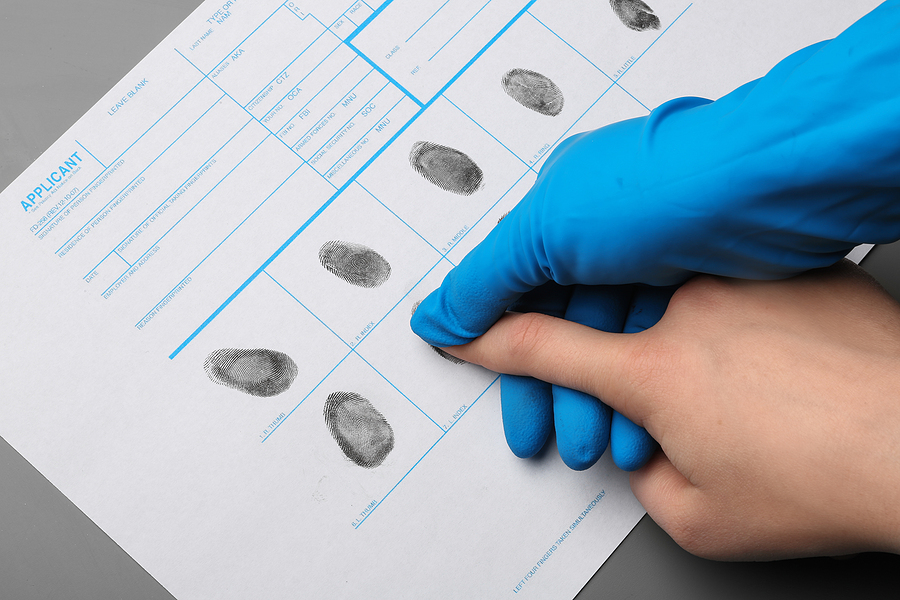
During booking, every person is photographed (the mugshot) and fingerprinted. For certain charges, a DNA swab may also be collected. These records are entered into state and federal law enforcement databases.
Property Inventory and Storage
Personal belongings—including clothing, jewelry, cash, and any other items on the person at the time of arrest—are inventoried and stored by jail staff. It’s important to note that the Marion County Sheriff’s Office has specific procedures for how and when these items can be retrieved, which are covered further below.
Bond and Release Information
Once the booking and identification process is complete, a bond can be posted. The Marion County Jail accepts bonds 24 hours a day through three options:
- Cash or Certified Bank Check payable to the Marion County Clerk of Courts, submitted in person at the jail’s Information and Visitation Center
- Debit or Credit Card via cashbondonline.com or by calling 1-888-726-6301
- Surety Bond arranged through a licensed bail bond agency like Woods Bail Bonds in Downtown Indianapolis
After the bond is received, the release process can still take several hours. The jail follows careful checks and balances to ensure proper release procedures are completed.
Important Information During the Booking Process
Your Rights as an Arrestee
A person who has been arrested retains critical constitutional rights throughout the booking process. These include:
- The right to remain silent. You are not required to answer questions beyond providing basic identifying information.
- The right to legal counsel. If you cannot afford an attorney, one will be appointed to you. Under Indiana Criminal Rule 5, the court appoints counsel for indigent defendants at the initial hearing.
Invoking these rights clearly and calmly is always advisable. Statements made during booking can be used as evidence, so it is best to say as little as possible until you have spoken with a lawyer.
Communication Options
Once inside the booking area, individuals can make free local calls or collect long-distance calls to secure a ride or contact family. Communication options expand once an inmate is formally housed—family members can deposit money into a commissary or telephone account to facilitate future calls.
Timeline for First Court Appearance
Under the U.S. Supreme Court’s ruling in County of Riverside v. McLaughlin, 500 U.S. 44 (1991)—a federal standard binding on all Indiana proceedings—a person arrested without a warrant must appear before a judge within 48 hours. At this initial hearing, the court advises the defendant of the charges, determines eligibility for appointed counsel, and sets bail conditions under Indiana Code § 35-33-8.
Common Questions About Jail Booking
How long does the booking process take?
The booking process varies depending on facility volume, but it typically takes several hours. Busy periods can extend this timeline significantly. Families should be patient, as multiple checks must be completed before any release can occur.
Can family members be present during booking?
No. Booking is an internal jail procedure, and family members are not permitted to be present during intake or processing.
What happens to personal belongings?
Personal property is inventoried and held in the jail’s property room. Inmates may authorize the release of their belongings during the first 30 days of incarceration by completing a Property Release Authorization form, which is submitted through the housing Detention Deputy. Once the form is received, family or friends have five days to pick up the property and must present a valid government-issued photo ID.
When can inmates make phone calls?
Limited calls are available from the booking area to arrange transportation or notify family of the arrest. Broader phone access becomes available once the inmate is housed in a general population unit.
FAQ About Marion County Jail
Can I look up someone who has been arrested in Marion County?
Yes. The Marion County Sheriff’s Office offers an online inmate search tool at indy.gov. You can search by name, inmate number, or state or county ID.
How do I send money to someone in Marion County Jail?
Funds can be deposited into a commissary or telephone account through the Marion County Sheriff’s Office website. Visit indy.gov for current deposit options and instructions.
What if an inmate needs medical attention?
Medical screening is conducted during intake. The facility has ongoing medical services for inmates who require care during their detention.
Can inmates receive mail or visitors?
Yes. Visitation is available daily beginning at 7:00 a.m. The Marion County Sheriff’s Office also allows virtual visitation through Securus Technologies. Mail can be sent following the rules outlined on the MCSO’s website.
What if I don’t understand the charges filed?
A criminal defense attorney can review the charges, explain what they mean under Indiana law, and advise on potential outcomes. This is especially important before any court appearances.
Get Legal Help Before Your First Court Date
The booking process is only the beginning. What happens in the hours and days that follow—bail hearings, charge filings, and the first court appearance—can have lasting consequences on the outcome of a case. Having an experienced criminal defense attorney in your corner from the start makes a measurable difference.
Attorney David E. Lewis is an Indianapolis-based criminal defense lawyer with deep experience handling cases across Marion County and throughout Indiana. Book a free criminal case review today.
Related Posts:
Expectations When Going to Jail: What You Need to Be Prepared For
Legal Support: How a Lawyer Can Help You With the Bail Bond Process in Indiana
Do I Need to Hire a Lawyer for an Arrest Warrant?