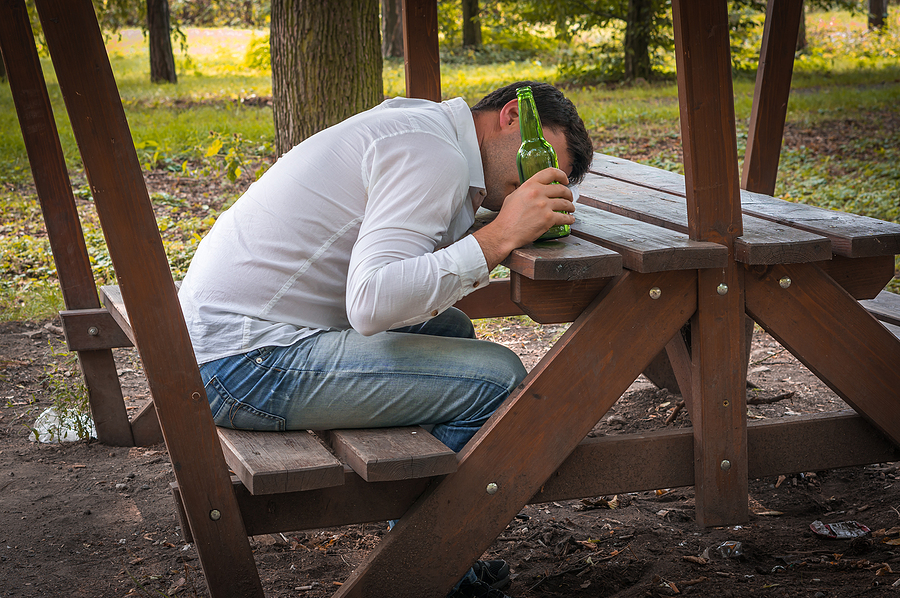
Being arrested for public intoxication in Indianapolis might seem like a minor legal problem, especially if nobody was injured and you were released shortly afterward. However, public intoxication is a criminal misdemeanor in Indiana, and a conviction can result in fines, jail time, and a criminal record.
So, do you really need a lawyer for a public intoxication charge in Marion County? While you’re not required to hire a private attorney, speaking with a criminal defense lawyer is worth considering before deciding how to handle your case. Indiana law requires more than simply being drunk in public to establish this offense, and the circumstances of your arrest could provide grounds to challenge the charge.
Understanding what prosecutors must prove, the potential penalties, and your legal options can help you make an informed decision.
Is It Worth Hiring a Lawyer for Public Intoxication?
Hiring a lawyer can be particularly valuable if you believe you were arrested simply for being intoxicated, have previous criminal convictions, face additional charges, or are concerned about your employment or professional license.
An attorney can review the evidence against you, explain the potential consequences, and determine whether there are grounds to seek a dismissal or negotiate a resolution that avoids a conviction.
Even for a first offense, pleading guilty without understanding your options could have consequences beyond paying a fine.
If you cannot afford an attorney, you may qualify for a court-appointed public defender. Eligibility depends on your financial circumstances and the applicable requirements.
What Is Considered Public Intoxication Under Indiana Law?
Under Indiana Code § 7.1-5-1-3, being intoxicated in a public place or place of public resort is not automatically a crime.
To obtain a conviction, prosecutors must establish that you were intoxicated by alcohol or a controlled substance in a qualifying public location and engaged in at least one of the following:
- Endangered your own life.
- Endangered another person’s life.
- Breached the peace or were in imminent danger of doing so.
- Harassed, annoyed, or alarmed another person.
For example, someone who has been drinking and is quietly waiting for a ride outside an Indianapolis restaurant is not necessarily committing public intoxication simply because they appear drunk.
On the other hand, an intoxicated person who threatens pedestrians, causes a serious disturbance, or engages in dangerous conduct may satisfy the additional elements required by law.
The important distinction is that evidence of intoxication alone does not establish every element of the offense.
Indiana also has a separate statute, IC 7.1-5-1-6, addressing intoxication-related conduct on public transportation and at certain transportation facilities. Violations are generally Class C infractions, although qualifying repeat offenses can be charged as Class B misdemeanors.
What Are the Penalties for Public Intoxication in Marion County?
Public intoxication under IC 7.1-5-1-3 is a Class B misdemeanor. Under Indiana Code § 35-50-3-3, a conviction carries the possibility of:
- Up to 180 days in jail.
- A fine of up to $1,000.
- Additional court costs and other consequences, depending on the case.
These are maximum statutory penalties, not automatic sentences. The outcome depends on the evidence, prior criminal history, and how the case is resolved.
A conviction may also create problems outside the courtroom. Criminal background checks are common during hiring, and certain employers or professional licensing boards may consider misdemeanor convictions when making decisions.
Although Indiana provides expungement options for qualifying criminal records, eligibility and waiting periods vary. Avoiding an unnecessary conviction in the first place may provide a more straightforward outcome.
Can a Public Intoxication Charge Be Dismissed in Indiana?
Yes. Public intoxication charges can be dismissed when prosecutors lack sufficient evidence, legal defenses apply, or an eligible defendant completes an approved diversion or deferral process.
An arrest does not automatically mean the prosecution has enough evidence to secure a conviction.
Challenging the Evidence Against You
A defense attorney may examine whether the prosecution can establish each required element of public intoxication.
Important questions include:
- Were you actually intoxicated, or did the officer mistake a medical condition or other behavior for intoxication?
- Were you in a location covered by Indiana’s public intoxication statute?
- What specific conduct allegedly endangered someone, disturbed the peace, or harassed, annoyed, or alarmed another person?
- Do witness statements, surveillance recordings, or police body-camera footage support the officer’s account?
For example, if an officer’s report describes an intoxicated person walking home without identifying conduct that satisfies the statute, the defense may have grounds to dispute whether a criminal offense occurred.
An attorney can also evaluate whether evidence was obtained unlawfully or whether other constitutional issues affect the case.
Diversion and Deferred Dismissal Options
Some defendants may qualify for a pretrial diversion agreement. Depending on eligibility and the prosecutor’s approval, this may involve completing specific requirements in exchange for dismissal of the charge.
Indiana also provides a specific deferred-dismissal procedure under IC 7.1-5-1-6.6 for certain alcohol-related arrests initiated after someone reported that the person appeared to need medical assistance. Qualified defendants who satisfy the statutory conditions can receive dismissal after completing court-imposed requirements.
These options are not available in every case, and participation may involve fees, classes, or other obligations.
Before agreeing to a diversion program or entering a guilty plea, it’s important to understand the requirements and what will happen to your criminal record afterward.
Special Protections for Medical Emergencies
Indiana Code § 7.1-5-1-6.5 provides certain protections involving alcohol-related public intoxication offenses when individuals seek emergency medical assistance, report certain crimes, or are victims of reported sex offenses.
For example, someone who requests emergency medical help for a person experiencing alcohol poisoning may qualify for statutory immunity if the applicable requirements are met. Certain individuals receiving assistance may also be protected.
If your arrest occurred during a medical emergency or while reporting a crime, tell your defense attorney. These circumstances could significantly affect how your case should be handled.
How Can a Marion County Criminal Defense Lawyer Help?
A public intoxication attorney does more than appear in court. Legal representation can help you understand whether the prosecution has a valid case and what options are available before you make decisions that could affect your future.
An attorney may:
- Review the arrest: Examine police reports, available recordings, witness statements, and the officer’s description of your behavior.
- Identify possible defenses: Determine whether the evidence establishes intoxication, a qualifying public location, and the required conduct.
- Challenge improper evidence: Evaluate constitutional violations or other legal issues that could affect the prosecution’s case.
- Explore dismissal or diversion: Discuss available resolutions with prosecutors based on the evidence and your eligibility.
- Represent you in court: Handle hearings, explain potential plea agreements, and prepare a defense if the case proceeds to trial.
Most importantly, a lawyer can help you evaluate the consequences of accepting a proposed resolution rather than focusing only on the immediate fine or sentence.
Cases filed in Marion County are generally handled through the Marion Superior Court system, although the specific proceedings depend on the charge and case assignment.
What Should You Do After a Public Intoxication Arrest in Indianapolis?
The decisions you make after an arrest can affect your ability to defend the charge.
First, carefully review your release paperwork, including any court dates or conditions. Missing a required appearance can create additional legal problems.
Next, write down what happened while the details are fresh. Include where you were, what you were doing, what officers said, and whether anyone witnessed the encounter. Preserve any relevant photographs, messages, receipts, or video recordings you lawfully possess.
Avoid discussing the details of your arrest on social media. Statements made publicly could potentially become evidence.
Finally, consider speaking with a criminal defense attorney before entering a plea or accepting an agreement. An attorney can explain whether challenging the charge, pursuing a negotiated resolution, or seeking another available legal remedy makes sense for your situation.
Frequently Asked Questions About Public Intoxication in Marion County
Can You Go to Jail for Public Intoxication in Indiana?
Yes. Public intoxication under IC 7.1-5-1-3 is a Class B misdemeanor punishable by up to 180 days in jail and a fine of up to $1,000. However, jail is not mandatory for every conviction, and the actual outcome depends on the case.
Is Public Intoxication a Criminal Offense in Indiana?
Yes. Public intoxication under Indiana Code § 7.1-5-1-3 is a criminal misdemeanor. However, prosecutors must prove both intoxication in a qualifying public location and at least one of the additional conditions specified in the statute.
Can You Get Public Intoxication Charges Dropped for a First Offense?
Possibly. A first-time defendant may have options involving dismissal, diversion, or another negotiated resolution. Eligibility depends on the evidence, criminal history, applicable laws, and prosecutor’s decisions. A first offense does not automatically guarantee dismissal.
Will a Public Intoxication Charge Appear on a Background Check?
It can. Arrest records, pending charges, and convictions may appear on criminal background checks, depending on the records being searched. Indiana law provides expungement and other record-relief procedures in qualifying circumstances, but those remedies have specific requirements.
Do You Have to Appear in Court for Public Intoxication?
That depends on your case and any instructions issued by the court. Some proceedings may be handled through an attorney, while others require your personal appearance. Never assume you can miss a scheduled hearing without permission from the court.
How Much Does a Public Intoxication Lawyer Cost in Indianapolis?
Attorney fees depend on the complexity of the case, whether additional charges are involved, and how far the case proceeds. Ask about legal fees and the scope of representation during your consultation. If you cannot afford private counsel, you may qualify for a public defender.
Charged With Public Intoxication in Marion County?
A public intoxication arrest doesn’t have to result in a conviction. Indiana law places specific limits on what qualifies as public intoxication, and the evidence surrounding your arrest matters.
Before pleading guilty or accepting an agreement, find out what prosecutors must prove and whether a defense, dismissal, or alternative resolution may be available.
David E. Lewis, Attorney at Law, represents people facing criminal charges in Indianapolis and Marion County. Whether this is your first arrest or you have previous charges, discussing your situation with a defense attorney can help you understand your options.
Contact David E. Lewis, Attorney at Law, for a free case evaluation. Call 317-636-7514 to discuss your public intoxication charge.
Related Posts:
Public Urination Laws in Indianapolis: What You Need to Know
What are the Penalties for Public Intoxication in Indiana?
What You Need to Know About Your Trespass Order Violation in Indianapolis