Here’s What You Can Do to Improve Your Criminal Case

Your criminal defense lawyer is ultimately your most influential weapon against the maximum penalties for your criminal charges. For this reason, it is vital, for both protecting your rights and preserving your freedoms, to hire a seasoned and qualified attorney to build your defense. However, the fate of your legal proceedings are not entirely reliant on your lawyer; there are things you can do as well to help improve the outcome of your case.

Continue reading to learn what you can do to help your own criminal case, including who to trust to build you a strong and impactful defense to avoid the maximum penalties for your charges.

Indiana Criminal Defense Law Firm
Indiana Criminal Defense Law Firm 317-636-7514

If you are facing criminal charges in Indiana, your fate is mostly in the hands of the state prosecutor’s office since they have complete discretion over giving you a plea deal, and what goes into the agreement altogether. This is another reason why you must choose a seasoned and qualified lawyer for your defense; they are likely to have longstanding relationships with the local prosecution and magistrate community.

When it comes to prosecution giving you a plea deal, there are various factors that influence their decision. Such factors include criminal history, behavioral conduct with law enforcement, substance abuse, severity of crime and whether or not it involved bodily harm to another person, and more. It may seem like there is nothing you can do to alter their decision-making process, but that is not true.

Here are two things you can do that might help your case:

❶ Create a Sentencing Memorandum

Your criminal defense lawyer can draft a document referred to as a “sentencing memorandum”, which basically illustrates an accurate depiction of your life and who you are as a person. Topics to include in this document include your employment, level of education, goals, contribution to the local community, explanation of your criminal history, reason for committing the alleged crime, conduct since the arrest, role as a partner, spouse, parent, or legal guardian, and similar personal details about your life. This document can show the prosecution that you are not defined by your alleged crime, nor a threat to your community.

❷ Gather Character Reference Letters

Another great way to improve the outcome of your criminal case is to gather a collection of character reference letters from important members of your family, friends, co-workers, employers, and local community. These letters should be written by those you trust to be honest, yet supportive of your reputation. Examples of people to ask for character reference letters include employers, teachers, professors, mentors, friends, children, and even religious leaders. Within these letters, you would need to also include forms of verification, such as employment records, school transcripts, college acceptance letters, certificates and awards, attendance logs, doctors’ letters, and more.

Get Aggressive Criminal Defense in Indiana

Contact David E. Lewis, Attorney at Law, at 317-636-7514 to start building a strong and impactful defense against your criminal charges so that you have a chance at avoiding the maximum penalties for your suspected crimes. Our Indianapolis criminal defense law firm offers free initial consultations, so there is no out-of-pocket obligations to you. Get started protecting your future, today.
How the Law Office of David E. Lewis Sets the Bar High for Criminal Justice

When you are a client of criminal defense attorney, David E. Lewis, you can expect high standards from start to finish. He and his legal team provide professional 24/7 client communication and unparalleled client support. We understand that our clients’ needs don’t revolve around convenient office hours.

This is why we are always available by means of email or phone, and remain prepared to take action whenever our client’s, or their case, calls. Our criminal law firm never cuts corners when it comes to criminal defense, and we will always go the extra mile for our client’s and their families. We leave no stone unturned when fighting our clients’ criminal charges.

Continue below to learn why the Law Office of Attorney David E. Lewis is the right choice for your criminal defense in Indiana!

David E. Lewis Attorney at Law 317-636-7514

Our Company Pledge

We vow to never give up or back down. We use every resource in our power to preserve our clients’ freedoms and protect their rights in all ways, including:

☑ Building a Custom Defense for Each Individual Client

We are determined to win an advantageous outcome in court for clients that have been charged or convicted of a misdemeanor or felony in Indiana. He uses his cunning knowledge of law, as well as his extensive trial and litigation experience, to aggressively represent his clients in both state and federal courts.

☑ Keeping Clients Fully-Informed at All Times

Our law firm understands that an arrest in the family is troubling, and everyone has several questions afterwards. This is why we work side-by-side with our clients from start to finish, guiding them throughout the entire criminal process safely and securely, all while working to win them a better outcome in court.

☑ Respecting All Clients & Never Passing Judgement

We recognize that people make mistakes, and sometimes get caught up in the wrong place at the wrong time. The law office of David E. Lewis is committed to being a strong and reliable helping hand that stays firm in order to safeguard our client’s legal rights and re-open doors for them so they may have an opportunity for a second chance in life.

Our Mission

Our hope for all our clients is simple: That they may be reunited with their families and loved ones, and get back to leading a happy and law-abiding life after a distressing arrest. Attorney, David E. Lewis can accomplish this for many people charged with a crime in Indianapolis, Indiana.

Start Today!

Call the Law Office of David E. Lewis at 317-636-7514 to schedule a free initial consultation and case evaluation. From there, will develop the best strategies for your defense so that you can avoid the maximum penalties for your criminal charges in Indiana.

What You Need to Know About Aggravating Factors in a Criminal Case

As a person facing criminal charges, it is in your best interest to learn as much as you can about what to expect from the criminal justice process. This is especially important for those facing criminal charges that involve aggravating factors. Continue reading to learn more about aggravating factors, including what you need to do to protect your rights and preserve your freedoms after being charged with a crime in Indiana.

Criminal Defense Law Firm 317-636-7514

Aggravating Factors

U.S Legal.com defines aggravating factors as, “(…) relevant facts and circumstances that increase the severity or culpability of a criminal act.” In plainest terms, aggravating factors are any facts, conditions, or evidence that increase the severity of penalties or liability for a crime. Aggravating factors will render the harshest penalties for a crime, so long as they can be adequately supported by evidence in court.

A prime example of a crime that involves aggravating factors is a case of battery. For instance, if Bill touches another person in a rude, insolent, or angry manner, he commits the crime of battery and can be charged with a Class B Misdemeanor. However, if Bill commits this same crime, and the victim suffers bodily injury, his crime can be elevated to a Class A Misdemeanor, which comes with harsher penalties, including more jail time. If Bill were to continue to make the circumstances of the crime worse, the same exponential penalty schedule applies.

Hire a Defense Lawyer Immediately

If your criminal charges include aggravating factors, then the law may deem your crime more severe. You will need a hard-hitting Indiana criminal defense attorney who can build you a strong and impactful defense to spare you from the maximum penalties for your charges. Without a skilled and seasoned criminal defense lawyer on your side, you will put yourself at risk of long-term jail time, hefty fines, hours of community service, drug or alcohol classes, and much more.

Indiana Criminal Defense That Doesn’t Back Down

To best protect your rights and preserve your freedoms, you must have a seasoned and aggressive Indianapolis criminal defense lawyer on your side, building you an impactful and strong case so that you can avoid the maximum penalties for your criminal charges. Call the Law Office of David E. Lewis at 317-636-7514 to schedule a free initial consultation and case evaluation with a licensed Indiana criminal defense lawyer you can trust.

Is a Plea Bargain the Same as a Plea Deal?

If you are facing criminal charges, it is very likely that you will be offered some alternatives to the maximum penalties for your crimes if you plead guilty. Before taking any chances on your rights and your freedoms, be sure to discuss your legal defense options with a trusted criminal defense lawyer who can protect you. In the meantime, it will help you to clear up some confusion regarding guilty and non-guilty pleas, including how the law defines a plea bargain.

Criminal Defense Law Firm 317-636-7514

Plea Bargains

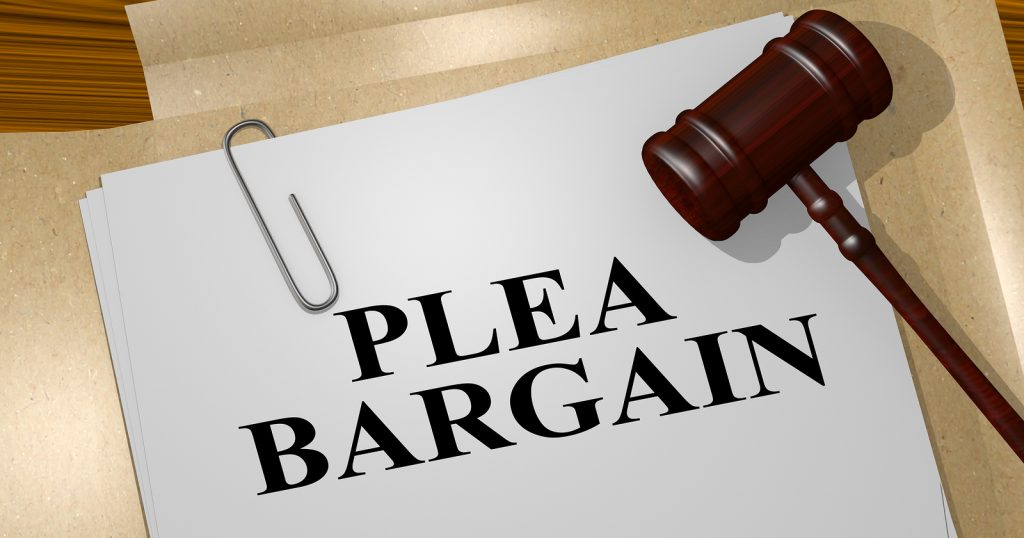
A plea bargain IS the same as a plea deal; they are legal terms that are used interchangeably to describe the same legal principal or action. In plainest terms, a plea deal is a binding legal agreement in a criminal case made between a defendant and the prosecutor in which the defendant agrees to plead guilty to the original criminal charges (or to a lesser charge or lighter sentence) instead of going to trial.

In order to receive a plea deal, a prosecutor must be willing to offer one. A defendant cannot request a plea bargain for their criminal case. Furthermore, once a defendant agrees to a plea bargain, neither they nor the prosecutor can withdraw the deal. So what do prosecutors offer in plea deals? Generally, the prosecutor will agree to recommend a lighter sentence to the court, suggest that the court drop one or more criminal charges, or agree not to compete against the defendant’s requested sentence.

Plea Deal or No Deal?

So why to defendants prefer to take plea deals instead of going to trial? Because if the defendant chooses to go to trial, the forfeit the plea deal, and risk being convicted of the maximum charges and penalties. However, courts must approve plea deals before they can be handed down to a defendant. So just because the prosecution offers a plea bargain does not mean the court will ultimately approve it for a defendant’s criminal case.

Advantages of plea deals are easy to see; not only will you be given a lesser charge, or have charges reduced or dismissed, you will also be given lighter penalties for your conviction. However, there are also grave disadvantages to accepting a plea bargain, namely waiving some of your constitutional rights, such as the right not to incriminate oneself, the right to a jury trial, and the right to confront one’s accuser. By choosing trial over a plea deal, a defendant preserves these constitutional rights and more.

Furthermore, a plea bargain always results in a conviction, which can also be a severe disadvantage. For example, if you are charged with rape, but you are entirely innocent, you may not want to falsely plead guilty under any circumstances, and then be put on a sexual offender list for the rest of your life. Worst of all, plea deals are not really set in stone. A judge or prosecutor can change their minds once the sentence is being handed down.

Talk to a Trusted Criminal Defense Lawyer

Call 317-636-7514 to schedule a free initial consultation with aggressive Indiana criminal defense attorney, David E. Lewis, who will stop at nothing to protect your rights and preserve your freedoms. With decades of hands-on experience, you can trust Attorney David E. Lewis to build you a strong and impactful defense against your criminal charges.

State and Federal Penalties for Getting Caught With Prescription Drugs

Prescription drug offenses have become an increasing epidemic, both nationally and internationally, within the past decade. Whether a person is taking prescribed drugs without a prescription, or abusing them as a result of a dependency, Indiana does not see drug addiction and usage as a health epidemic; instead, Indiana views illegal drug use as a crime, which means there will always be a need for a tough criminal defense drug crime lawyer.

Take a look below at some of the most common penalties for prescription drug charges.

Prescription Drug Crime Lawyer 317-636-7514

State and Federal Prescription Drug Penalties

The most common prescription drug offenses here in Indiana include possession, trafficking, manufacturing, and variations of all three. There are penalties for each prescription drug crime, all of which vary in severity depending on several factors, such as the type of drug, the quantity recovered by law enforcement, Indiana drug schedules, criminal priors, criminal enhancements, and more.

As for enhancements, additional ones include, but are not limited to drug manufacturing, priors for dealing, possession of firearm, caught in drug-free zones, presence of children, on school grounds or within 500 feet, dealing to a minor, on or within 500 feet of a park or school bus, dealing to someone 3 years one’s junior.

Additional penalties may be applied to sentences, including hefty fines, probation, parole, drug screening, drug and alcohol education, impact panels, community service, ankle monitors, ignition interlock devices, and more.

Here is a general guideline to state and federal penalties for the above-mentioned prescription drug crimes:

STATE:

Possession (No Enhancements):
0 Months to 1 Year in an Indiana County Jail Facility
Class A Misdemeanor

FEDERAL:

Prescription Fraud (No Priors):
Minimum of 6 Months – Average 1 Year – Max 2 ½ Years in Prison
Level 6 Felony

Prescription Fraud (With Priors):
Minimum of 1 Year – Average 3 Years – Max 6 Years in Prison
Level 5 Felony

Dealing – 1 TO 5 GRAMS:
Minimum of 2 Years – Average 6 Years – Max 12 Years in Prison
Level 4 Felony

Dealing – 5 TO 10 GRAMS:
Minimum of 3 Years – Average 9 Years – Max 16 Years in Prison
Level 3 Felony

Dealing – UNDER 1 GRAM (With Enhancements):
Minimum of 2 Years – Average 6 Years – Max 12 Years in Prison
Level 4 Felony

Dealing – 5 TO 10 GRAMS:
Minimum of 3 Years – Average 9 Years – Max 16 Years in Prison
Level 3 Felony

Dealing – UNDER 5 GRAMS (With Enhancements):
Minimum of 3 Years – Average 9 Years – Max 16 Years in Prison
Level 3 Felony

Dealing – OVER 10 GRAMS:
Minimum of 10 Years – Average 17 ½ Years – Max 30 Years in Prison
Level 2 Felony

Dealing – 5 TO 10 GRAMS (With Enhancements):
Minimum of 10 Years – Average 17 ½ Years – Max 30 Years in Prison
Level 2 Felony

Indiana Prescription Drug Lawyer

David E. Lewis Attorney at Law
David E. Lewis Attorney at Law 317-636-7514

If you want to avoid jail time and other extreme drug crime penalties for prescription drug charges in Indiana, then you need the skills and determination of a licensed criminal defense lawyer. Attorney David E. Lewis will fight to reduce criminal charges, dismiss your cases, or enter you into alternative sentencing agreement in Indiana. He fights to protect and preserve your future and good name, and stops at nothing to win a more successful result for you. Call our office today at 317-636-7514 and schedule a free initial consultation to discuss and evaluate your case.

Factors That Affect Jail Sentences

After being arrested or charged with a crime, there are handfuls of common questions that start to go through your mind. Some of the most commonly asked questions has to with jail time. Defendants want to know whether or not they have to serve time in jail, and if so, how long. If this is something that is also a concern to you as a person facing criminal charges, continue reading to learn which factors affect jail sentences.

Criminal Defense Law Firm 317-636-7514

⚖ Nature of Charge

The first factor that will be scrutinized by the prosecution and court magistrates is the nature or severity of the crime. For those charged with violent or sexual offenses will face a stricter level of scrutiny and judgement compared to those charged with non-violent and non-sexual offenses. In Indiana, jails are very overcrowded, so most often, those charged with a misdemeanor are not sentenced to jail time. In terms of felony charges, jail time is more likely. It all depends on the nature of the crime, as well as, the other factors discussed in this blog. Felonies are divided into 7 categories in Indiana: Level 1through Level 6, and then Murder. Level 6 felony crimes are the least serious type of felony, however, they are still punishable up to 3 years in prison.

⚖ Criminal History

Another major factor considered when facing jail time is criminal history. Prosecution and judges will look to see if a defendant has a history of being a habitual offender, or if they have any current pending charges against them. If someone has committed a series of serious offenses, especially the same ones, the state will likely want to seek a jail sentence. For instance, if a person is habitually being arrested for stealing cars, they will likely be sentenced to jail after a habitual felony arrest. On the other hand, if a person has a history of drug abuse and possession offenses, they may be order to rehabilitation programs in lieu of jail time. Again, it all depends on a variety of factors.

⚖ Strength of the Case

Another leading factor in determining a jail sentence for an accused defendant is the state’s case. If the state does not have a strong enough case against a defendant for their suspected crime, it is not likely that they will have to spend any time in jail. If the state does not have a sufficient amount of evidence to prove a defendant’s guilt at trial, the defendant’s legal team will have more luck negotiating out from jail time. If the state has a lot of evidence, and thus, a strong case, they have more leverage to seek jail time. But without a strong case, they are more likely to be lenient.

⚖ Alternative Sentencing

As mentioned, the state might offer drug rehabilitation as an alternative to jail time. They may also do this for other offenses as well. Rather than jail time, the state may allow a defendant to be sentenced to alternative programs, such as substance abuse rehabilitation, community service, victim impact panels, and similar community corrections programs.

Who to Call for Legal Advice and Representation

Criminal Defense Lawyer

Call 317-636-7514 to schedule a free initial consultation with aggressive Indiana criminal defense attorney, David E. Lewis, who will stop at nothing to protect your rights and preserve your freedoms. With decades of hands-on experience, you can trust Attorney David E. Lewis to build you a strong and impactful defense against your criminal charges.

Frequently Asked Questions About Defense Attorneys

If you are preparing to hire a criminal defense attorney, you are likely filled with a whole list of questions. After all, there are probably hundreds of defense lawyers to choose from in your town, making the task seemingly perplexing. On top of all of your choices, you also have the option of going with a public defender. So, in order to relieve some of your stress, start by reviewing some basic answers to questions others are asking about defense attorneys.

Criminal Defense Law Firm 317-636-7514

Do I Need a Criminal Defense Attorney?

Yes, if you want to avoid jail or have your charges dropped or reduced. Although you can choose to use a public defender, a stronger chance at dismissing criminal charges or entering into alternative sentencing agreements is by hiring a licensed defense lawyer. They have the experience, litigation skills, and acute knowledge of the law to effectively build a defense that challenges your criminal allegations and pursue a more favorable outcome for your case.

Are All Criminal Defense Lawyers the Same?

No. There are many unqualified and inexperienced lawyers that may claim to have knowledge of a certain area of law, but not extensively enough to beat federal or state criminal charges. It is important to find an attorney that has several years of experience and that has represented cases similar to yours, successfully. Be sure the lawyer you hire is proficient in the particular area of law that your charges fall under. You wouldn’t want a divorce lawyer fighting your theft charges, would you?

Is a Defense Attorney Better Than a Public Defender?

Public defenders often work for larger firms, and do not do the investigation and research on their cases themselves. Instead, paralegals and investigators do most of the work, leaving the public defender out of the loop on details about the case circumstances. This leaves them unqualified and unequipped to effectively fight a person’s criminal charges. A criminal lawyer does all the investigative research themselves, and personally commits to every detail of the case. This is just one reason why they are the most promising choice for defense.

How Much Does it Cost to Hire a Criminal Defense Lawyer?

When your life and freedom are on the line, don’t let money get in the way. It is important to never establish your decision on a criminal attorney based on price. Some law firms charge more than others, while some charge less than they should. If the price quote seems too good to be true from a defense attorney, it may be because they are inexperienced and trying to build their practice. Choose an experienced attorney that will get you the fairest possible outcome for your case, not an attorney with a cheap retainer fee. Your future depends on it!

Where Can I Find a Skilled Defense Attorney in Indiana?

David E. Lewis Attorney at Law

Call Attorney David E. Lewis at 317-636-7514 for aggressive criminal defense in Indianapolis, Indiana. Our law firm offers free initial consultations to discuss the best strategies of defense for your case. Avoid the maximum penalties for your misdemeanor or felony criminal charges by calling David E. Lewis, Attorney at Law, today!

FAQS About Indiana Criminal Courts

If you are currently facing criminal charges, it is likely that you are nervously awaiting your trial hearing. And just like many other defendants facing criminal charges, you have questions and concerns about the criminal court process and the potential outcomes you face.

To give you some peace of mind, continue reading to learn some answers to the most frequently asked questions about criminal courts in Indiana. This may relieve some of the anxiety commonly experienced while awaiting your court date.

Criminal Defense Law Firm 317-636-7514

What is the Difference Between State Court and Federal Court?

State courts are established by the state, and may include local courts as well. Local courts are usually established by individual cities, counties, townships, or other types of common municipalities. They adjudicate cases that involve crimes that break laws set and enforced by the state (also known as state laws). In contrast, federal courts are established under the United States Constitution, and adjudicate cases that involve crimes that break laws passed by Congress. See our article, “The Difference Between Federal Law and State Law” to learn more.

What is the Indiana Court of Appeals?

The Indiana Court of Appeals is the court with the power to review the judgements of lower courts and tribunals. An appeal is a post-trial request asking a higher court (i.e. Court of Appeals) to investigate whether or not the trial was conducted properly and justly. See our blog, “Information About State Felony Appeals and Criminal Defense” to learn more.

What are Circuit and District Court Systems?

District courts are subordinate courts that hold trials for federal-level criminal cases, including general litigation issues and challenges to federal laws. They also deal with sentencing and hand down penalization orders. Circuit courts are one step below the Supreme Court, which can send cases back to district or circuit court to be reviewed. They are also known as “Federal court of appeals” because they are appellate courts responsible for overseeing criminal appeals for cases arising from the district court system.

Is there Court for Juveniles and Minors?

Juvenile crimes are handled in a special court system structured just for the purpose of managing juvenile delinquency cases. This is called juvenile court, and in this system, most matters are treated as civil or family law matters rather than criminal. This generally alleviates minors of being tried under the state’s penal code for crimes. Juveniles are people who are under the age of 18 years old but older than 10 years old. They are also called minors. Common juvenile crime cases range from truancy and shoplifting, to drug possession, underage alcohol consumption, and more.

Where Can I Find a Criminal Defense Attorney for Both State and Federal Crimes?

David E. Lewis Attorney at Law
David E. Lewis Attorney at Law 317-636-7514

Call the Law Office of David E. Lewis at 317-636-7514 to schedule a free initial consultation and case evaluation. During this meeting, which is free of charge, you have the opportunity to sit down with Attorney David E. Lewis and discuss your Indiana criminal charges and the best strategies for your defense, whether on a state or federal level. Get started as soon as today!

How to Hire a Criminal Defense Attorney

Hiring a lawyer for your criminal case is not something you necessarily want to do, but it is something you need to do, and as soon as possible. A private criminal defense lawyer is your best chance at avoiding the maximum penalties for your criminal charges. If you are new to the legal process, and have never hired an attorney before, continue reading to a comprehensive guide on how to get started.

Criminal Defense Law Firm 317-636-7514

Step ❶: Look for Referrals

The first step in hiring a criminal defense lawyer is finding a reputable law firm to work with. This can be done by utilizing an online business search portal, such as Yelp or Angie’s List. Another great way to find a law firm in your area is to ask around. Seek referrals from people you know who have also needed a criminal defense lawyer. Ask them about their experience and whether or not they recommend the firm.

Step ❷: Filter Your Results

Once you have collected a list of law firms in your area, it is time to filter out the ones that are not well-suited for your particular case, and decide which ones are good candidates. Do this by looking at each law firm’s set of credentials, client testimonials, successful case results, and overall experience. You want to take it a step further and determine which law firm retains a lawyer on staff who has specific experience in your type of criminal charges.

Step ❸: Schedule an Initial Consultation

Most lawyers, regardless of field, offer free initial consultations to meet and discuss the best strategies for a case. Once you have found and filtered out various law firms, begin contacting the ones you are considering and ask about initial appointments. If they offer free initial appointments, move forward with scheduling one for yourself to get an up-close feel for the lawyer and law firm. Feel free to make initial appointments with other criminal defense lawyers, and then choose who you would like to represent your case.

Skip the Hassle and Call Attorney David E. Lewis

David E. Lewis Attorney at Law 317-636-7514

If you do not already have a licensed Indiana criminal defense lawyer working on your case, you need one right away. Contact David E. Lewis, Attorney at Law, at 317-636-7514 to start building a strong and impactful defense against your criminal charges so that you have a chance at avoiding the maximum penalties for your suspected crimes. Our law firm offers free initial consultations, so there is no out-of-pocket obligations to you. Get started protecting your future, today.
Should I Take a Police Lie Detector Test?

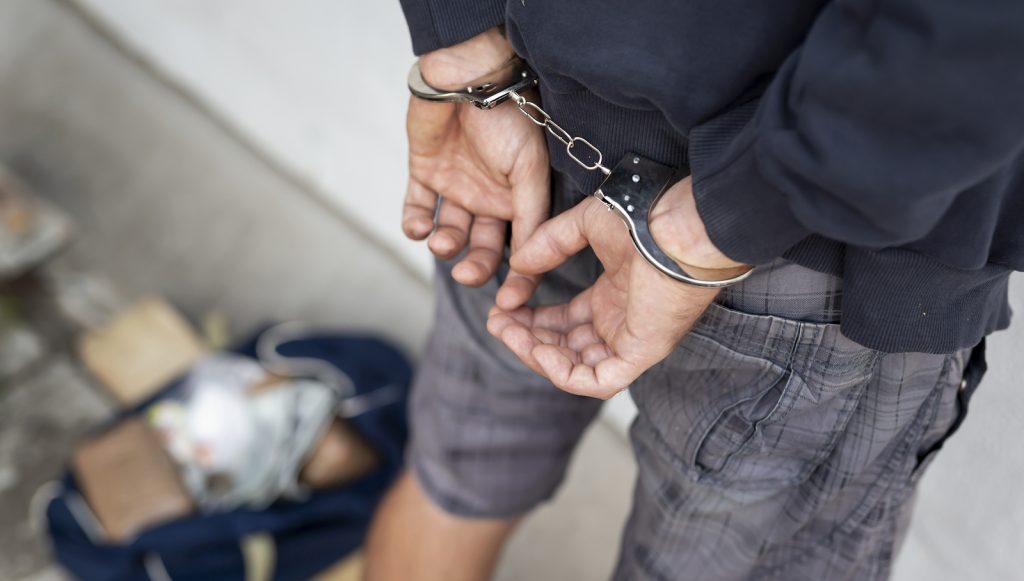
Law enforcement investigators utilize a variety of resources and methods to get the truth from suspects in question. One of the most popular tools they use is a lie detector test. If you are facing serious criminal charges,especially for felony crimes, you may be asked by police to take a lie detector test. Would you say acquiesce? Or would you refuse?

Continue reading to learn what you need to know about police lie detector tests, including advice on whether or not you should take one.

Indianapolis Criminal Defense 317-636-7514

Indianapolis Criminal Defense 317-636-7514

Polygraphs

Lie detector tests, also known as polygraphs, measure human vitals as a person answers a series of straightforward questions. Supporters of polygraph testing believe that these tests can detect the physical effects of lying, such as perspiration, blood pressure, heart rate, breathing, and more. But are these tests really accurate?

There is really no way to be sure of polygraph accuracy since there are so many variables that can affect the results of a test, such as instructor experience, the format of questions being asked, the style in which the results are interpreted, and more.

Furthermore, being tested in such a way adds stress in itself; a person could be telling the truth, but the test will measure their words as a lie simply because they are nervous. So it is very difficult, if not impossible, to distinguish between physical changes that come from lying and those that come from being under the scrutiny of such tests.

Lie Detector Evidence

Basically, lie detector tests do not confirm whether or not a suspect is being dishonest, but rather, whether or not there is a possibility that they are being dishonest. Since lie detector tests do not meet the standards of dependability obligatory for scientific evidence, such results are typically inadmissible as evidence in a court of law.

To Agree or Not to Agree

Back to the original question of whether or not you should agree to take a polygraph when asked by police, the answer is always, NO. Always say “no” when asked to take a lie detector test. Instead, you must always consult with your Indianapolis criminal defense attorney before answering any police questions.

Indianapolis Criminal Defense Near You

David E. Lewis Attorney at Law 317-636-7514

Call Attorney David E. Lewis at 317-636-7514 to schedule a free initial consultation to discuss your criminal charges with a seasoned Indianapolis criminal defense attorney you can trust. We work around the clock to ensure your rights are protected and your freedoms are preserved. You can avoid the maximum penalties for your charges with our aggressive legal representation!