Which Constitutional Rights Can Be Waived in a Criminal Sentencing Hearing?

If you are awaiting criminal sentencing, it is wise to educate yourself on the criminal justice process in order to know what to expect on this impending journey. Although your publically or privately-appointed criminal attorney will take on the majority of the legal load in building your defense, it helps to do your part by being well-informed and prepared to make the best legal decisions for yourself. One of the most important area of law to understand are your Constitutional rights, especially during your sentencing hearing.

Continue reading to learn which Constitutional rights can be waived at your upcoming criminal sentencing hearing.
Criminal Defense Law Firm 317-636-7514

Prior to pleading guilty, or not guilty, at your sentencing hearing, a judge must ensure that you fully understand certain Constitutional rights. You must know these rights so that you can make the best decision for yourself in terms of pleading guilty; because once you plead guilty, you forever waive these rights and cannot go back and undo your decision.

Here are the typical Constitutional rights you will be expected to understand prior to pleading guilty at your criminal sentencing hearing:

⚖ The right to a public and speedy trial by jury.

⚖ The right to a speedy trial by jury.

⚖ The right to not testify against yourself, or the right against self.

⚖ The right to see, hear, face, and cross–examine witnesses against you.

⚖ The right to compel people through subpoena power of the court to testify on your behalf at no expense to you.

⚖ The right for the state to prove you guilty beyond a reasonable doubt and be presumed innocent.

⚖ The right to have an attorney appointed to you at no expense to you if you qualify.

⚖ The right to appeal your sentence if convicted by the court, including challenging the sentence imposed by the court on any open term.

Where to Get Trusted Legal Counsel

Indianapolis Criminal Defense 317-636-7514

To best protect your rights and preserve your freedoms, you must have a seasoned and aggressive Indianapolis criminal defense lawyer on your side, building you an impactful and strong case so that you can avoid the maximum penalties for your criminal charges. Call the Law Office of David E. Lewis at 317-636-7514 to schedule a free initial consultation and case evaluation with a licensed Indiana criminal defense lawyer you can trust.


Factors That Affect Jail Sentences

After being arrested or charged with a crime, there are handfuls of common questions that start to go through your mind. Some of the most commonly asked questions has to with jail time. Defendants want to know whether or not they have to serve time in jail, and if so, how long. If this is something that is also a concern to you as a person facing criminal charges, continue reading to learn which factors affect jail sentences.

Criminal Defense Law Firm 317-636-7514

⚖ Nature of Charge

The first factor that will be scrutinized by the prosecution and court magistrates is the nature or severity of the crime. For those charged with violent or sexual offenses will face a stricter level of scrutiny and judgement compared to those charged with non-violent and non-sexual offenses. In Indiana, jails are very overcrowded, so most often, those charged with a misdemeanor are not sentenced to jail time. In terms of felony charges, jail time is more likely. It all depends on the nature of the crime, as well as, the other factors discussed in this blog. Felonies are divided into 7 categories in Indiana: Level 1through Level 6, and then Murder. Level 6 felony crimes are the least serious type of felony, however, they are still punishable up to 3 years in prison.

⚖ Criminal History

Another major factor considered when facing jail time is criminal history. Prosecution and judges will look to see if a defendant has a history of being a habitual offender, or if they have any current pending charges against them. If someone has committed a series of serious offenses, especially the same ones, the state will likely want to seek a jail sentence. For instance, if a person is habitually being arrested for stealing cars, they will likely be sentenced to jail after a habitual felony arrest. On the other hand, if a person has a history of drug abuse and possession offenses, they may be order to rehabilitation programs in lieu of jail time. Again, it all depends on a variety of factors.

⚖ Strength of the Case

Another leading factor in determining a jail sentence for an accused defendant is the state’s case. If the state does not have a strong enough case against a defendant for their suspected crime, it is not likely that they will have to spend any time in jail. If the state does not have a sufficient amount of evidence to prove a defendant’s guilt at trial, the defendant’s legal team will have more luck negotiating out from jail time. If the state has a lot of evidence, and thus, a strong case, they have more leverage to seek jail time. But without a strong case, they are more likely to be lenient.

⚖ Alternative Sentencing

As mentioned, the state might offer drug rehabilitation as an alternative to jail time. They may also do this for other offenses as well. Rather than jail time, the state may allow a defendant to be sentenced to alternative programs, such as substance abuse rehabilitation, community service, victim impact panels, and similar community corrections programs.

Who to Call for Legal Advice and Representation

Criminal Defense Lawyer

Call 317-636-7514 to schedule a free initial consultation with aggressive Indiana criminal defense attorney, David E. Lewis, who will stop at nothing to protect your rights and preserve your freedoms. With decades of hands-on experience, you can trust Attorney David E. Lewis to build you a strong and impactful defense against your criminal charges.

What You Need to Know About Resisting Arrest

The United States of America is one of the greatest countries on Earth because of the civil liberties and rights bestowed upon us as citizens. These protections are what separates our nation from so many others. A current hot topic regarding such protections involves discussions on police misconduct and false arrests. As citizens, we are protected against injustices like these, but that does not mean they never occur. On the other hand, even if police may be wrong in an arrest, a person should never, under any circumstances, resist.

Continue reading to learn the importance of complying with law enforcement no matter what, and who to call if you have been charged with resisting arrest in Indiana.

Resisting Arrest Lawyer 317-636-7514

The Risk You Take On

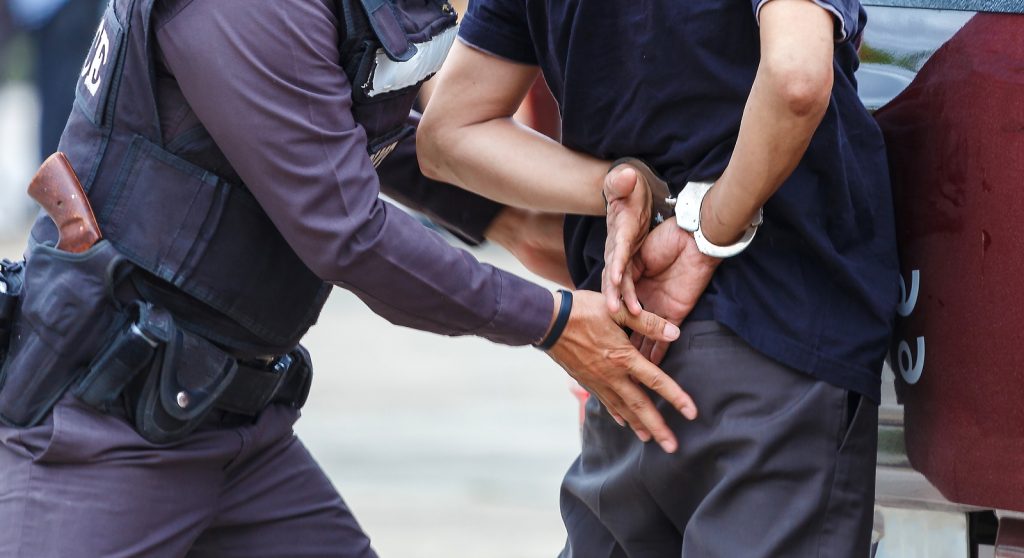
If you counterattack arrest by law enforcement, not only will you face the original charges they are arresting you for, you will also be charged with a second crime of resisting arrest. This reason alone is enough to warn you about the risk of resisting an arrest by a police officer. If you are ever in a situation where a policeman wants to arrest you, you must let it happen and comply peacefully; otherwise, it will come back to hurt you and your case in the end, which can lead to higher fines, longer jail time, and harsher penalties.

Indiana Laws for Resisting Arrest

Indiana Code 35-44.1-3-1 defines “resisting arrest” as, “(…) when a person knowingly and intentionally: Forcibly resists or interferes with a law enforcement officer or a person assisting the officer while the officer is lawfully engaged in executing their duties; Forcibly resists or interferes with the authorized service or execution of a civil or criminal process or court order; or Flees from a law enforcement officer after the officer has identified themselves* and ordered the person to stop.” The state allows police officers to identify themselves either visibly or audibly, which also includes their police lights and sirens.

Possible Penalties

If charged with resisting arrest, convictions can range from Class A misdemeanors to a Level 2 felonies, depending on enhancements, priors, and other factors of the specific details of the crime. Furthermore, those charged face fines up to $5,000 and up to 30 years in prison; a Class A Misdemeanor is up to 1 year in jail, while a Level 2 Felony is 10 to 30 years.

Facing Charges for Resisting Arrest?

When it comes to addressing police misconduct, abuse, or false arrests, it is best done after the arrest and release from jail have taken place. Your first step to refuting or fighting a false arrest is to hire a seasoned Indiana criminal defense lawyer who can aggressively investigate your case and build a strong defense against your charges.

Indiana Criminal Defense You Can Trust

Indianapolis Criminal Defense 317-636-7514

Call 317-636-7514 to schedule a consultation with aggressive Indiana criminal defense attorney, David E. Lewis. He will stop at nothing to protect your rights and preserve your freedoms. With decades of hands-on experience, you can trust Attorney David E. Lewis to build you a strong and impactful defense against your criminal charges. Call 317-636-7514 to schedule a free initial consultation for Indianapolis criminal defense, today.

FAQS About Indiana Criminal Courts

If you are currently facing criminal charges, it is likely that you are nervously awaiting your trial hearing. And just like many other defendants facing criminal charges, you have questions and concerns about the criminal court process and the potential outcomes you face.

To give you some peace of mind, continue reading to learn some answers to the most frequently asked questions about criminal courts in Indiana. This may relieve some of the anxiety commonly experienced while awaiting your court date.

Criminal Defense Law Firm 317-636-7514

What is the Difference Between State Court and Federal Court?

State courts are established by the state, and may include local courts as well. Local courts are usually established by individual cities, counties, townships, or other types of common municipalities. They adjudicate cases that involve crimes that break laws set and enforced by the state (also known as state laws). In contrast, federal courts are established under the United States Constitution, and adjudicate cases that involve crimes that break laws passed by Congress. See our article, “The Difference Between Federal Law and State Law” to learn more.

What is the Indiana Court of Appeals?

The Indiana Court of Appeals is the court with the power to review the judgements of lower courts and tribunals. An appeal is a post-trial request asking a higher court (i.e. Court of Appeals) to investigate whether or not the trial was conducted properly and justly. See our blog, “Information About State Felony Appeals and Criminal Defense” to learn more.

What are Circuit and District Court Systems?

District courts are subordinate courts that hold trials for federal-level criminal cases, including general litigation issues and challenges to federal laws. They also deal with sentencing and hand down penalization orders. Circuit courts are one step below the Supreme Court, which can send cases back to district or circuit court to be reviewed. They are also known as “Federal court of appeals” because they are appellate courts responsible for overseeing criminal appeals for cases arising from the district court system.

Is there Court for Juveniles and Minors?

Juvenile crimes are handled in a special court system structured just for the purpose of managing juvenile delinquency cases. This is called juvenile court, and in this system, most matters are treated as civil or family law matters rather than criminal. This generally alleviates minors of being tried under the state’s penal code for crimes. Juveniles are people who are under the age of 18 years old but older than 10 years old. They are also called minors. Common juvenile crime cases range from truancy and shoplifting, to drug possession, underage alcohol consumption, and more.

Where Can I Find a Criminal Defense Attorney for Both State and Federal Crimes?

David E. Lewis Attorney at Law
David E. Lewis Attorney at Law 317-636-7514

Call the Law Office of David E. Lewis at 317-636-7514 to schedule a free initial consultation and case evaluation. During this meeting, which is free of charge, you have the opportunity to sit down with Attorney David E. Lewis and discuss your Indiana criminal charges and the best strategies for your defense, whether on a state or federal level. Get started as soon as today!

What You Need to Know About Indiana Protective Orders

Whether you are interested in pursuing a protective order for yourself, or on the other end of one, there are some things you need to know about the state laws surrounding such court-ordered documents. If you feel like you are in immediate danger, contact the local police station or call 911 for protection. If you are simply looking to learn more about protective orders in Indiana, continue reading.

Restraining Order Violation Lawyer Indiana
Did You Violate a Restraining Order in Indiana? Call 317-636-7514 TODAY.

What They Are

Protective orders, also known as “restraining orders”, are court-ordered documents that force an individual to keep a certain distance from the person petitioning for the order. They are often used in cases of domestic violence to protect abused spouses, as well as, cases of stalkers, extortionists, and similar threatening situations. Most restraining orders are valid for up to 60 days.

You can find details of the exact laws surrounding protective orders by reviewing the Civil Law and Procedures of Indiana Code 34-26-5-1, et seq.

Protection Order Registry

You can look up local, state and national protective orders in a database. The Indiana Supreme Court joined forces with the Indiana Criminal Justice Institute, as well as the State Police, to be approved for two federal grants in order to develop and execute a statewide Protection Order Registry (POR). Learn more about this registry, here.

Where to Get a Protective Order in Indiana

Either yourself of a member of your household can legally petition for a protective order in Indiana. In order to do so, you must go to the Circuit Court Clerk in your county of residence and fill out a petition. You may also get online assistance via a victim advocacy organization. Visit here to learn where to find advocate organizations in Indiana.

Did You Violate a Protective Order?

David E. Lewis Attorney at Law
David E. Lewis Attorney at Law 317-636-7514

Call David E. Lewis, Attorney at Law, at 317-636-7514 for aggressive and experienced criminal defense in Indianapolis, Indiana. Our law firm offers free initial consultations to discuss the best strategies for defense against your criminal charges. Call 317-636-7514 to schedule your consultation with a trusted Indianapolis criminal lawyer, today.

Can I Refuse a Dog Sniff Search of My Vehicle?

The legalities of open-air canine dog sniff searches have always been a hot topic in the criminal law field. The reality is that K-9 dog sniff searches are a common law enforcement practice, and take place frequently. So the legitimacies surrounding these stops and searches continue to be complex and quite ambiguous. Continue below to learn what you really need to know about canine searches.

Criminal Defense Law Firm 317-636-7514

The specifics of every individual traffic stop and dog sniff case are factually different, making it necessary to consult an experienced criminal defense attorney for a better understanding of canine dog sniff laws in your state, and how they might affect your case. Do this BEFORE you are faced with the question, “May I let the dogs sniff search your vehicle?” Because saying “no” to police can result in an instant arrest, suspended license, or worse, depending on what the laws are in your state.

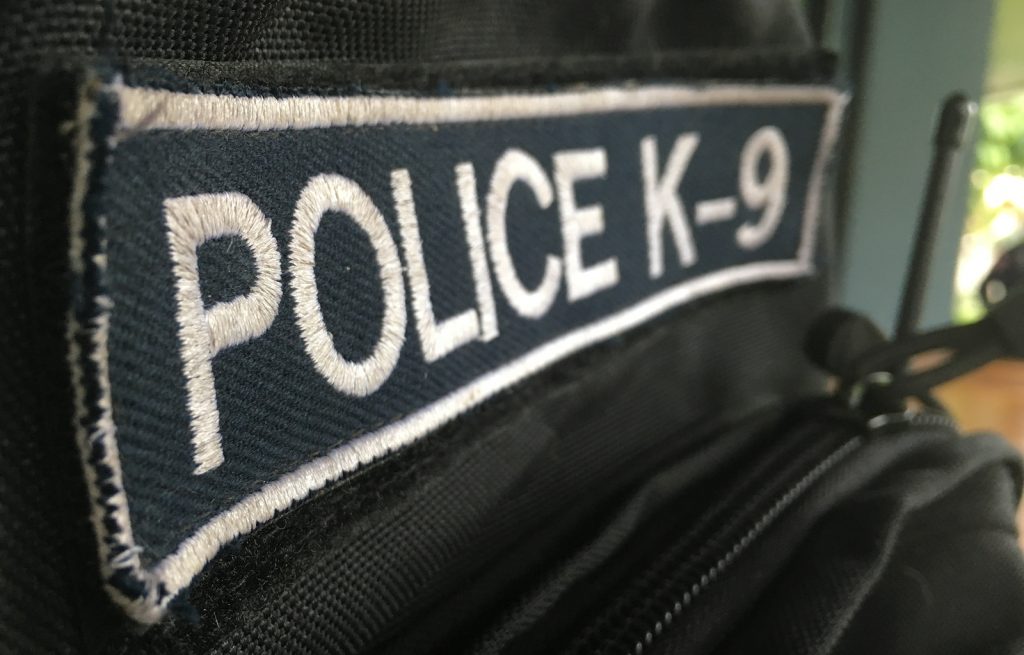
Police K-9 Searches

K-9 dog sniff searches most often take place during a routine traffic stop. The legal standard for an officer’s right to pull a motorist over is vague. Essentially, law enforcement can stop a driver for almost any reason, so long as they have “good faith” or “a strong belief” that a motorist has committed a traffic violation. If later it is discovered that no traffic violation actually occurred, the police officer still had the right to make the stop.

However, if it is discovered that the officer stopped the motorist for invalid reasons, anything found in or around the vehicle is suppressed in court and cannot be used against the motorist.  This is why a criminal defense lawyer will initially ignore the legitimacy of the dog sniff search, and first determine if the original traffic stop was valid to begin with.

When a defendant wants to prove the unconstitutionality of an open-air dog sniff search during a routine traffic stop, they must prove two facts in a court of law:

❶ There was no reasonable suspicion of criminal conduct taking place that would have validated prolonging the primary reason for the stop;

❷ Once the original reason for the stop was completed, they were detained for an unreasonable amount of time in order for law enforcement to carry out the open air k-9 search;

If an officer pulls a motorist over for a minor traffic violation, issues a ticket for the infraction, and completes the process for such a stop, they have no further reason to detain the person any longer unless they have reasonable suspicion that other crimes are afoot. For example, if the officer discovers a warrant for their arrest, or a suspended license, they have the right to take more time to investigate further.

But if the warrant check comes back clean and everything else is good, and the motorist is already issued a ticket for the original reason for the stop, law enforcement cannot detain the driver any longer. On the other hand, if a warrantless k-9 sniff is performed during the original stop, and before the officers’ duties of the stop are completed, the search and seizure procedures are NOT in violation of a motorists’ constitutional rights.

Contact a Criminal Defense Lawyer

Criminal Defense Lawyer Indianapolis Indiana
Criminal Defense Lawyer 317-636-7514

Talk to a licensed and experienced Indianapolis criminal defense attorney for a complete understanding of your traffic stop and resulting criminal charges. Trust Attorney David E. Lewis for professional and accurate legal advice you can trust.  Call at 317-636-7514 to schedule a free initial consultation to discuss your case and the best possibly strategies for defense.

3 Step Approach to Explaining a Misdemeanor in a Job Interview

If you are planning to undergo a slew of job interviews, it is wise to prepare by going through mock interview questions. This is especially true for those who have a misdemeanor criminal record. Employers these days can run background checks on potential hires with just a simple click of a button; so if you had an arrest or misdemeanor charge in your past, you can safely assume your interviewer will know about it.

But do not be concerned; so long as you know how to appropriately answer job interview questions about your misdemeanor record, you can prove to your future employer that your past is truly in the past, and does not characterize to your current reputation or work ethic.

Continue reading to learn an easy, 3 step approach to answering job interview questions about your criminal history.

Criminal Record Expungement 317-636-7514
Criminal Record Expungement Attorney 317-636-7514

You may be worried that no one will hire you because you have a past arrest or criminal record. You may be asking yourself, “Will I ever have a decent job role again?” The answer is “yes”; someone will hire you, so long as you can represent yourself in a professional and respectful manner, and discuss your criminal record with transparency and remorse.

Here are the three steps to follow when your criminal record comes up in a job interview:

❶ Explain What Happened

With as much maturity and honesty as possible, explain the situation surrounding your arrest or criminal charge. Do not go into great detail, but do lay out the foundation for what happened. Basically, the job interviewer will want to see that you own up and acknowledge your mistakes. It is better that your potential employer hears you explain the situation than for them to just read it on paper and make their own assumptions.

❷ Describe Your Actions While in Jail

In addition to acknowledging your mistakes, a potential employer wants to know that you bettered yourself by turning a bad situation into a good one. Prove this to them by describing all of your accomplishments and achievements while incarcerated and/or on probation. This includes any classes or courses, anger management, counseling, community service, reconciliations with friends and family, paid restitution, and anything else that shows you wanted to improve your character and put in the effort to do so.

❸ Explain What You are Doing Now

Last, describe to your potential employer what you are currently up to in life. This will show them that the mistake you made was not an action that defines you as a person. It will show them that your criminal mishap is not something that will repeat itself ever again. Talk about furthering your education, community involvement, counseling or therapy, hobbies, clubs, fitness goals, relationship status, and all other positive actions and activities in your life.

How to Clean Up Your Criminal Record                          

David E. Lewis Attorney at Law 317-636-7514

If you still have trouble getting hired, you should consider criminal record expungement or record sealing. There are new laws in Indiana that allow those who qualify to conceal their criminal background from the public, including employers. Call David E. Lewis, Attorney at Law at 317-636-7514 and schedule a free initial consultation to discuss your eligibility for criminal record expungement in Indiana. Our services start as low as $850, so virtually anyone can afford to clear their criminal records or petty crimes and apprehensions.

What are the Indiana Laws for Guns?

If you are interested in purchasing a firearm, it is strongly encouraged to educate yourself on the Indiana gun control laws first. Gun control laws are in place to regulate the purchase and use of firearms. And although pretty standard across the board, they do differ from state to state; so whatever laws you are familiar with in another jurisdiction may not be the same as your current place of residence.

Furthermore, there are states that have gun laws that overlap or contradict federal law, making the differentiation quite complex in some cases. So always be sure to review Indiana gun control laws before acquiring or carrying a firearm.

Continue reading to learn the basics surrounding Indiana gun control laws.

Criminal Defense Law Firm 317-636-7514

Who Can and Cannot Have a Gun

Across the board, regardless of state, both minors and convicted felons are prohibited to own or carry a firearm. However, other states add onto this “who can and who can’t” list. For instance, some states do not permit minors and felons, as well as, those with mental disabilities and illegal aliens, to own or carry a firearm.  

In addition to authorized individuals, states also regulate which types of firearms are legal and which are not. For instance, most states ban sawed-off shotguns, machine guns, silencer guns, armor-piercing bullets, and automatic weapons. To learn more details about gun licensing regulations in Indiana, visit the in.gov firearm licensing webpage.

Indiana Laws

§ 35-47-2-21

In Indiana, those who cannot own or carry a firearm include minors, convicted felons, drug and alcohol abusers, the mentally incompetent, and anyone convicted of a crime involving the misuse of a gun.

There is no imposed waiting period for prospective gun buyers, but certain criteria must be met in order to be approved for ownership.

Firearms that are banned include sawed-off shotguns, machine guns, silencer guns, armor-piercing ammunition, and automatic weapons.

Firearms are not allowed on or near school grounds.

In terms of gun control laws, any case where a state law overlaps with a federal law, federal law prevails.

Learn More About Your Right to Bear Arms

Criminal Defense Lawyer Indianapolis Indiana
Criminal Defense Lawyer 317-636-7514

Talk to an experienced Indiana criminal defense lawyer for help understanding your rights to purchase and carry a firearm. Call Attorney David E. Lewis at 317-636-7514 to schedule a free initial consultation to discuss your legal concerns with a seasoned Indianapolis criminal defense attorney you can trust. We work around the clock to ensure your rights are protected and your freedoms are preserved.

Is My Child Charged With a Delinquent Offense or Status Offense?

When a child under the age of 18 years old is arrested or breaks the law, they are entered into the juvenile court system. There, they will face a series of legal procedures, obligations, penalties, and ultimately, a conviction. Their conviction, however, largely depends on whether they are charged with a delinquent offense or a status offense.

If your child was recently arrested, it is important to learn the difference between the two types of offenses. Not only can this help you better understand what to expect from the juvenile court proceedings, it can also help you protect your child from future brushes with the law.

Continue reading to learn the difference between a delinquent offense and a status offense.

Juvenile Crime Lawyer 317-636-7514

Status Offenses

Status offenses are special because they can only be committed by people of a certain status. This does not mean wealth or intellect; instead, it refers to age. A status offense is only illegal for those who are underage, also known as minors. A minor is someone that is not old enough to partake in a certain behavior or action.

For example, a person under 16 years of age cannot operate a vehicle, a person under the age of 18 cannot smoke or purchase cigarettes, and a person under the age of 21 cannot consume nor purchase alcohol. All three of these individuals are considered “minors”, which means they would commit a status offense if they are caught partaking in any of the actions just mentioned.

Additional Examples of Status Offenses:

✤ Truancy

✤ Curfew Violations

✤ Running Away From Home

Delinquent Offenses

Delinquent offense are different from status offenses, primarily because they are crimes that can be committed by individuals of any age. Basically, both minors and adults can commit delinquent offenses. Examples of such crimes include shoplifting, operating a vehicle without a license, drunk driving, fraud, assault, vandalism, and any other action that is against state and federal laws. Minors who commit delinquent offenses are more likely to face harsher penalties.

Most often, less serious cases will result in an informal plan of probation; but more serious offenses can lead to a minor having to go before a judge and being sentenced to a juvenile detention center. If a minor is near 18 years old and commits an egregious crime, such as murder, they may be prosecuted as an adult. Check out our recent blog, “How Does the Juvenile Court System Work?” to learn more about juvenile court.

Who to Talk to About Your Child’s Case

David E. Lewis Attorney at Law 317-636-7514

Call David E. Lewis, Attorney at Law, at 317-636-7514 for aggressive and experienced criminal defense in Indianapolis, Indiana. Our law firm offers free initial consultations to discuss the best strategies for defense against your child’s criminal charges. Call 317-636-7514 to schedule your consultation with a trusted Indianapolis criminal lawyer, today.

What is the Preemption Doctrine?

If you are facing criminal charges for an act that is legal under one jurisdiction, but illegal under another, you may want to review the Constitution’s Preemption Doctrine. It can help you better understand your situation, and perhaps even develop a stronger defense to avoid the maximum penalties if ultimately convicted.

Continue reading to learn about the Preemption Doctrine, and how it may apply to your criminal case.

Criminal Defense Law Firm 317-636-7514

Criminal Defense Law Firm 317-636-7514

The Preemption Doctrine

The Preemption Doctrine stems from the United States Constitution. It is specifically derived from the Supremacy Clause, which states, “Constitution and the laws of the United States (…) shall be the supreme law of the land (…) anything in the constitutions or laws of any state to the contrary notwithstanding.”

So what does this mean in common language? It means that any federal law can override any conflicting state law. Basically, states cannot pass any laws that violate our rights outlined in the U.S. Constitution, otherwise, federal judiciaries can overturn the law for being unconstitutional. On the other hand, there are some exceptions.

You see, if any law provides citizens more rights or imposes more responsibility, such law will prevail. But if state and federal laws blatantly conflict with one another, we go back to the Supremacy Clause which states that federal law will always prevail. Here are some examples that will help you understand who it works:

If a certain law provides citizens more rights, that law will override the opposing jurisdiction. For instance, if state law allows same-sex marriage, but federal law does not, the state law will trump.

If a certain law imposes more responsibility onto citizens, that law will trump the opposing one. For instance, if the state law requires seat belts, but the federal law does not, the state law will prevail.

If state and federal law explicitly conflict, federal law will prevail. For instance, if state law allows cannabis use, but federal law does not, anyone caught in possession of cannabis will be arrested and charged.

Facing Criminal Charges Based on Conflicting State and Federal Laws?

David E. Lewis Criminal Defense Attorney

David E. Lewis Attorney at Law 317-636-7514

What you need is aggressive and skilled legal defense. Call 317-636-7514 to schedule a consultation with aggressive Indiana criminal defense attorney, David E. Lewis, who will stop at nothing to protect your rights and preserve your freedoms. With decades of hands-on experience, you can trust Attorney David E. Lewis to build you a strong and impactful defense against your criminal charges. Call 317-636-7514 to schedule a free initial consultation for Indianapolis criminal defense, today.