The Differences Between Arrest and Bench Warrants in Indiana

Finding out there is a warrant for your arrest is a stomach-churning moment. Whether you discovered it through an online search, a letter in the mail, or a phone call from a relative, the sudden fear of losing your freedom is overwhelming. It’s a situation no one wants to face, but ignoring it only increases the risk of being arrested at work, at home, or during a routine traffic stop.

In Indiana, not all warrants are created equal. While the end result—being taken into custody—is often the same, the legal reasons behind the warrant and the procedures for resolving it can differ significantly. Understanding the distinction between a standard arrest warrant and a bench warrant is the first step toward regaining control of your situation and protecting your rights.
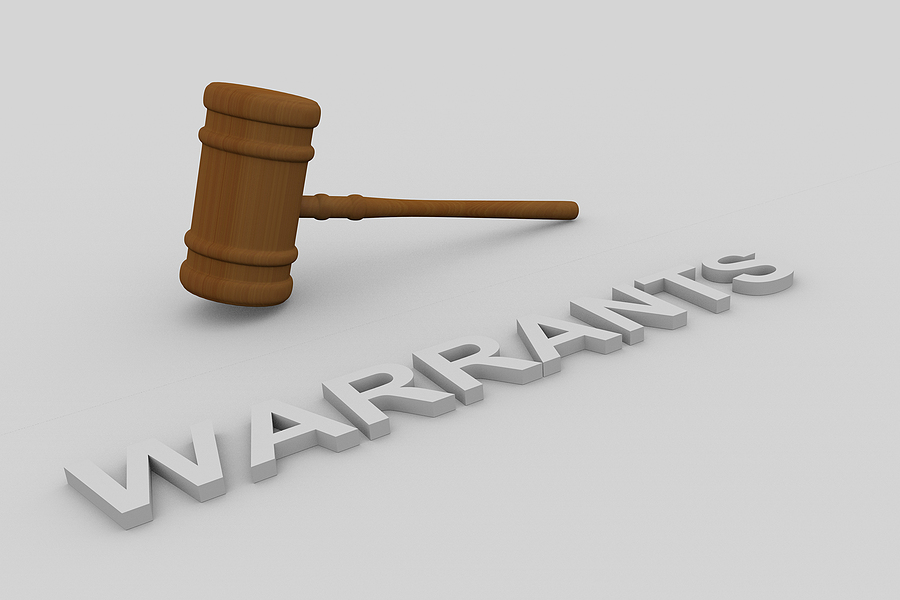
Call 317-636-7514 if You are Looking for a Warrant Lawyer in Indianapolis Indiana

What Is an Indiana Arrest Warrant?

When people hear the word “warrant,” they usually picture an arrest warrant. This is a court order that authorizes law enforcement to take a specific person into custody to answer for an alleged crime.

An arrest warrant signifies the beginning of a new criminal case. It means the state believes you have committed an offense, and they are initiating the legal process to prosecute you.

How Arrest Warrants Are Issued

In Indiana, police officers cannot simply write up a warrant on their own. The process is governed by strict legal standards outlined in Indiana Code § 35-33-2-1. A warrant can generally only be issued in two ways:

  1. Indictment: A grand jury has reviewed evidence and determined there is enough to charge you with a crime.
  2. Probable Cause Determination: A judge reviews an “information” (a charging document filed by a prosecutor) or a probable cause affidavit submitted by law enforcement. If the judge determines that probable cause exists to believe you committed a crime, they will sign the warrant.

“Probable cause” is the legal threshold here. It means there are reasonable grounds—supported by facts and evidence—to believe a crime happened and you were the one who committed it.

What Is Included in the Warrant?

An arrest warrant is not a vague document; it must be specific to be valid. According to Indiana Code § 35-33-2-2, the warrant must be in writing and signed by a judge or clerk. It must explicitly include:

  • Your Name: Or a description that identifies you with “reasonable certainty” if your name is unknown.
  • The Offense: A clear statement of the nature of the crime you are accused of committing.
  • Date and County: When and where the warrant was issued.
  • Bail Amount: In many cases, the warrant will specify the amount of bail required for your release, though some serious charges may be non-bailable initially.

Execution of the Warrant

Once issued, the warrant is directed to the county sheriff. Under Indiana law (IC 35-33-2-3), law enforcement officers have broad authority to execute these warrants. They can arrest you on any day of the week and at any time of the day or night. Furthermore, if officers announce their authority and purpose and are not admitted, they are legally permitted to break open a door or window to execute the warrant.

What Is a Bench Warrant?

A bench warrant gets its name because it is issued directly from the “bench”—the judge’s seat in the courtroom. Unlike an arrest warrant, which launches a criminal case, a bench warrant is usually issued because a person has defied a court order or failed to follow procedural rules in an active or past case.

While an arrest warrant is about what you did (the alleged crime), a bench warrant is often about what you didn’t do (follow court instructions).

The Most Common Trigger: Failure to Appear

The most frequent reason for a bench warrant is a Failure to Appear (FTA). When you are arrested or charged with a crime, you are given dates to appear in court. According to Indiana Pretrial Services Rules, a failure to appear occurs when the court issues a warrant following a defendant’s non-appearance for court.

If you miss a hearing—whether it’s an initial hearing, a status conference, or a trial—the judge can immediately issue a bench warrant. This effectively treats your absence as contempt of court. It is worth noting that for minor traffic infractions, Indiana law has shifted away from issuing arrest warrants for missed court dates, often opting for license suspensions instead. However, for misdemeanor and felony cases, a missed court date almost guarantees a warrant.

Other Reasons for Bench Warrants

Beyond missing court, judges may issue bench warrants for:

  • Probation Violations: If you allegedly fail a drug test, miss a meeting with your probation officer, or fail to complete community service.
  • Failure to Pay: In some instances, failing to pay court-ordered fines or child support can lead to a type of civil bench warrant, often called a body attachment.
  • Refusing a Subpoena: If you are a witness who refuses to appear in court after being legally summoned.

Get Help With Your Indianapolis Warrant Right Now

Key Differences Between the Two

While both documents authorize police to handcuff you and take you to jail, the path to resolving them differs.

1. The Source of Initiation

  • Arrest Warrant: Initiated by law enforcement or the prosecutor’s office filing charges based on an investigation. The judge acts as a gatekeeper to ensure probable cause exists.
  • Bench Warrant: Initiated by the judge directly (sua sponte) or upon request by the probation department/prosecutor because of a procedural violation within the court system.

2. Bail and Release Conditions

  • Arrest Warrant: Often has a pre-set bond amount endorsed on the warrant based on the severity of the alleged crime and the county’s bond schedule. In some cases, you may be able to post bail immediately after booking.
  • Bench Warrant: These can be trickier. Because the defendant has already shown a disregard for court orders (by not showing up), judges frequently issue these as “no bond” warrants. This means if you are arrested, you cannot pay your way out; you must sit in jail until you can be brought before the judge, which could take days or weeks depending on the court’s schedule.

3. Resolution Strategy

Resolving an arrest warrant usually involves turning yourself in and fighting the underlying criminal charge. Resolving a bench warrant often involves filing a motion to “recall” or “quash” the warrant, explaining to the judge why you missed court (e.g., a medical emergency or notice sent to the wrong address) and asking for a new court date.

Why You Should Never Ignore a Warrant

Regardless of the type, an active warrant does not expire. It will remain in the system until you are arrested, or until you appear in court to address it. Living with an active warrant means looking over your shoulder constantly. You risk being arrested in front of your family, your employer, or your neighbors.

Furthermore, ignoring a warrant can complicate your legal defense. It creates a record of “flight risk,” which can make judges less likely to grant you low bail or release you on your own recognizance in the future.

Take Control of Your Case

The legal system in Indiana is complex, and the stakes are high. Whether you are facing a new charge via an arrest warrant or complications from a missed court date via a bench warrant, navigating the surrender and hearing process alone is dangerous.

An experienced attorney can often negotiate the terms of your surrender, potentially arrange for a bond reduction hearing, or file a motion to recall a bench warrant before you ever have to step foot in a jail cell.

If you suspect there’s an active warrant for you or a loved one, do not wait for the police to knock on your door. Contact Us Today for a free criminal case review in Indianapolis. We can help you verify the warrant status and build a strategy to resolve it with the least amount of disruption to your life.

Call Now to Begin

Related Post: Types of Warrants in Indianapolis and How to Surrender to One
How Informants Affect Your Criminal Case

Being accused of a crime is a stressful experience, and the situation can become even more complex when an informant is involved. An informant’s testimony can significantly influence the direction and outcome of a criminal case, often serving as a key piece of evidence for the prosecution. Understanding their role, the legal rules surrounding their testimony, and your rights is crucial for anyone facing such a situation in Indiana.

This post will explain what criminal informants are and the part they play in the justice system. We will explore the different types of informants, the standards for using their testimony in court, and the common ways their credibility is challenged. By understanding these factors, defendants can better prepare to protect their rights and build a strong defense.

Call 317-636-7514 if You are Looking for an Experienced Lawyer in Indianapolis Indiana

What is a Criminal Informant?

A criminal informant, sometimes called a confidential informant or “CI,” is a person who provides information to law enforcement about criminal activity. They are not police officers but civilians who agree to cooperate with the authorities. Their reasons for cooperating vary widely; some may be motivated by a sense of civic duty, while others might be seeking a reward or, more commonly, a benefit related to their own criminal charges.

In many criminal cases, informants are essential for investigations. They can provide inside information that police wouldn’t otherwise have access to, helping them identify suspects, gather evidence, and build a case. However, because informants often have incentives to provide information, their testimony can be unreliable and must be carefully scrutinized.

Types of Informants

Informants are not all the same, and understanding their category can help in predicting their role and challenging their credibility.

Cooperating Witnesses

Often, a cooperating witness is someone who has already been charged with a crime and agrees to testify against another person in exchange for a lighter sentence, reduced charges, or even complete immunity. Because their freedom is on the line, their motivation to provide testimony that pleases the prosecution is incredibly high, which can cast doubt on their truthfulness.

Undercover Informants

These individuals work directly with law enforcement to gather evidence, often by wearing a wire or participating in controlled drug buys. They may not have pending criminal charges but are typically paid for their services. Their close relationship with law enforcement can also create potential biases that a defense attorney can explore.

Citizen Informants

A citizen informant is an ordinary person who witnesses a crime and reports it to the police without any expectation of a reward or leniency. They are generally considered more reliable because they lack the self-serving motives that other types of informants may have. However, even their testimony can be challenged based on their ability to perceive and recall events accurately.

Is Informant Testimony Admissible in Court?

In Indiana, as in other states, informant testimony is generally admissible in court. However, it is subject to specific rules and legal standards. The court must ensure that the testimony is relevant to the case and that its value isn’t outweighed by the potential for unfair prejudice against the defendant.

The credibility of the informant is a central issue. The prosecution can present the informant’s testimony, but the defense has the right to challenge it. The jury is ultimately responsible for deciding how much weight to give the testimony, considering all the facts and potential biases.

Speak With a Criminal Defense Attorney Today

Common Challenges to an Informant’s Credibility

A defense attorney’s primary strategy when facing informant testimony is to attack the informant’s credibility. If the jury doubts the informant’s truthfulness, their testimony becomes far less damaging.

Common challenges include:

  • Bias and Motivation: Does the informant have a reason to lie? A deal with the prosecutor for a reduced sentence is a powerful motive that can be exposed during cross-examination.
  • Criminal History: Many informants have criminal records of their own. A history of crimes involving dishonesty, such as fraud or perjury, can be used to argue that the informant is not a trustworthy witness.
  • Inconsistent Statements: If the informant has told different versions of the story at different times, these inconsistencies can be highlighted to show they are unreliable.
  • Payment or Rewards: If the informant was paid for their information, it could suggest they were motivated by money rather than the truth.

A Landmark Case: Brady v. Maryland

The U.S. Supreme Court case of Brady v. Maryland is a cornerstone of a defendant’s rights when it comes to informants. The ruling established that the prosecution has a constitutional duty to disclose any exculpatory evidence to the defense. This is evidence that could be favorable to the defendant, including information that undermines the credibility of a prosecution witness.

Under the Brady rule, the prosecution must turn over information like:

  • Any deals or promises of leniency made to the informant in exchange for their testimony.
  • The informant’s criminal history.
  • Any prior inconsistent statements made by the informant.

A failure by the prosecution to disclose this information can be a violation of the defendant’s due process rights and may even lead to a conviction being overturned.

Your Rights as a Defendant

If you are facing a criminal case in Indianapolis involving informant testimony, you have fundamental rights designed to ensure a fair trial.

The Right to Cross-Examination

The Sixth Amendment guarantees you the right to confront witnesses against you. This means your attorney has the right to cross-examine the informant in court. Through pointed questioning, your lawyer can expose the informant’s motives, biases, and any inconsistencies in their story, allowing the jury to see why their testimony might not be reliable.

The Right to Disclosure

As established by Brady v. Maryland, you have the right to receive all favorable evidence from the prosecution. Your attorney can file motions to ensure the state provides all relevant information about the informant, which is essential for preparing an effective defense.

In Summary

The presence of an informant in your criminal case makes it critical to have an experienced legal team on your side. An attorney can file pre-trial motions to request all discoverable information about the informant, thoroughly investigate their background, and prepare a rigorous cross-examination strategy. By challenging the informant’s credibility, your lawyer can weaken the prosecution’s case and protect your rights.

Facing criminal charges is a serious matter, and the word of an informant should not be taken at face value. With the right legal strategy, it is possible to contest their testimony and fight for a just outcome.

If you or a loved one is dealing with a criminal charge involving an informant in Indiana, the stakes are too high to navigate alone. Our experienced Indiana criminal defense attorneys can review the specifics of your case, protect your rights, and build a defense strategy tailored to your situation.

Call to Schedule a Meeting

Related Post: 5 Tips for Preparing to be a Trial Witness

How Plea Deal Negotiation Works in Indiana Criminal Cases

Facing criminal charges can feel overwhelming, but understanding your options—including plea bargaining—can help you make informed decisions about your future. A plea deal (also called a plea agreement or plea bargain) isn’t just a legal shortcut; it’s a strategic decision that can significantly impact your life, your record, and your freedom.

Most criminal cases in Indiana are resolved through plea bargaining rather than going to trial. This process allows defendants to negotiate with prosecutors for reduced charges or lighter sentences in exchange for a guilty plea. Understanding how plea negotiations work can help you navigate this complex process and work toward the best possible outcome for your situation.

Call 317-636-7514 if You Are Looking for a Plea Negotiation Lawyer in Indianapolis Indiana

What Is a Plea Bargain?

A plea bargain is a negotiated agreement between the prosecutor and the defendant where the defendant pleads guilty in exchange for concessions from the prosecutor. These concessions might include reduced charges, lighter sentences, or the dismissal of certain charges.

Types of Plea Deals

Indiana recognizes several types of plea agreements:

Charge Bargaining involves pleading guilty to a less serious charge than the original accusation. For example, a defendant charged with battery might negotiate to plead guilty to disorderly conduct instead.

Sentence Bargaining occurs when the defendant pleads guilty with the understanding that they will receive a specific sentence or a reduced sentence. The charges remain the same, but the punishment is negotiated.

Alford Plea allows a defendant to plead guilty without admitting the act but acknowledging that the prosecution has enough evidence to convict. This type of plea is less common but can be useful in certain circumstances.

Benefits of Plea Bargaining

Plea agreements offer advantages for both defendants and the prosecution. Defendants often receive reduced charges, lighter sentences, and avoid the uncertainty of a trial. The process also reduces legal costs and resolves cases more quickly.

For prosecutors, plea bargaining ensures a conviction without the time, expense, and uncertainty of a trial. It also allows them to focus resources on more serious cases while still achieving justice.

The Plea Negotiation Process

The plea bargaining process typically begins after formal charges are filed and continues throughout the pre-trial phase. Understanding each step can help you prepare for what lies ahead.

Initial Prosecution Offer

The prosecutor usually makes the first offer based on the strength of their evidence, the severity of the charges, and the defendant’s criminal history. This initial offer serves as a starting point for negotiations, not necessarily the final deal.

Defense Response and Strategy

Your criminal defense attorney will evaluate the prosecution’s offer against several factors, including but not limited to: 1) the strength of the evidence, 2) potential trial outcomes, and 3) your personal circumstances. They may accept the offer, reject it, or present a counteroffer.

Effective defense attorneys don’t just react to prosecution offers—they proactively build cases for reduced charges or alternative sentences. This might involve presenting mitigating factors, challenging evidence, or highlighting procedural issues.

The Role of Your Attorney

A skilled criminal defense lawyer serves as your advocate throughout the plea negotiation process. They understand Indiana’s criminal law, have relationships with local prosecutors, and can identify opportunities for favorable agreements.

Your attorney will explain the implications of any plea deal, including long-term consequences you might not consider. They’ll also ensure that any agreement serves your best interests, not just the prosecution’s desire to close the case quickly.

Request a Free Legal Consultation Today!

Factors That Influence Plea Negotiations

Several key factors determine how plea negotiations unfold and what kind of deal you might secure.

Strength of the Evidence

The prosecution’s evidence plays a crucial role in plea bargaining. Strong evidence against you typically results in less favorable plea offers, while weak or questionable evidence can strengthen your negotiating position.

Your attorney will carefully review all evidence, including police reports, witness statements, and physical evidence. They’ll look for inconsistencies, procedural errors, or constitutional violations that could weaken the prosecution’s case.

Criminal History

Your prior criminal record significantly impacts plea negotiations. First-time offenders often receive more favorable deals than those with extensive criminal histories. However, even defendants with prior convictions can sometimes negotiate reasonable agreements with skilled legal representation.

Victim Input

Indiana law allows victims to provide input during plea negotiations. While prosecutors aren’t bound by victim preferences, they often consider victim impact when evaluating plea offers. Some victims prefer quick resolution through plea bargaining, while others want cases to proceed to trial.

Potential Trial Consequences

Both sides consider what might happen if the case goes to trial. If you face mandatory minimum sentences or multiple charges that could result in decades of imprisonment, plea bargaining becomes more attractive. Conversely, if the evidence is weak or the charges are minor, going to trial might be the better option.

Prosecutorial Discretion

Prosecutors have significant discretion in deciding which charges to bring and what plea bargains to offer. Some prosecutors are more willing to negotiate than others, and local practices can vary considerably across Indiana counties.

Accepting or Rejecting a Plea Deal

The decision to accept or reject a plea deal is ultimately yours, but it should be made with careful consideration and professional guidance.

Considerations for Acceptance

Accepting a plea deal provides certainty about your outcome and often results in reduced penalties compared to potential trial convictions. It also saves time, money, and emotional stress associated with lengthy court proceedings.

Consider accepting a plea deal if the evidence against you is strong, the offered sentence is reasonable, and the alternative trial outcomes are significantly worse. Plea deals also make sense when you want to avoid the publicity of a trial or when you’re ready to take responsibility and move forward.

Reasons to Reject a Plea Deal

Sometimes rejecting a plea deal is the right choice. If the evidence against you is weak, the charges are unjust, or the plea offer isn’t significantly better than potential trial outcomes, going to trial might be worthwhile.

You might also reject a plea deal if it requires you to admit to crimes you didn’t commit or if the long-term consequences (like professional licensing issues) outweigh the benefits of avoiding trial.

Common Misconceptions

Many people believe that plea deals are only for guilty people, but innocent individuals sometimes accept plea agreements to avoid the risk of harsher penalties at trial. This reflects the practical realities of the criminal justice system, not an admission of guilt.

Another misconception is that plea deals are always the best option. Sometimes going to trial results in better outcomes, especially when the evidence is weak or the charges are unjust. The key is making an informed decision based on your specific circumstances.

The Pros & Cons of Accepting a Plea Deal

The Plea Hearing Process

Once you decide to accept a plea deal, you’ll appear before a judge for a plea hearing. This formal process ensures that you understand the agreement and that your plea is voluntary.

What to Expect

During the plea hearing, the judge will review the terms of your plea agreement and ask you questions to ensure you understand what you’re agreeing to. They’ll confirm that you’re pleading guilty voluntarily and that you understand the consequences.

The judge will also verify that you understand the charges against you, the rights you’re giving up by pleading guilty, and the sentence you’ll receive. This process protects your due process rights and ensures the plea is legally valid.

The Judge’s Role

While judges generally accept plea agreements negotiated by the parties, they have the authority to reject deals they consider inappropriate. Indiana judges must ensure that plea agreements serve the interests of justice and comply with legal requirements.

If a judge rejects your plea agreement, you can often negotiate a new deal or proceed to trial. This situation is relatively rare, but it’s important to understand that plea agreements aren’t automatically approved.

Withdrawing from a Plea Agreement

Sometimes defendants want to withdraw their guilty pleas after accepting plea deals. While this is possible under certain circumstances, it’s not always easy.

When Withdrawal Is Possible

You can file a motion to withdraw plea if you can show good cause for the withdrawal. Valid reasons might include ineffective assistance of counsel, coercion, or new evidence that changes the case significantly.

Withdrawal is generally easier before sentencing than after. Once you’ve been sentenced, the standards for withdrawal become much more stringent, and you’ll need to demonstrate that allowing the plea to stand would result in a manifest injustice.

The Legal Process

Withdrawing a plea requires filing a formal motion with the court and presenting evidence supporting your request. The judge will consider factors like the reason for withdrawal, the impact on the prosecution, and the fairness of allowing withdrawal.

If your withdrawal motion is denied, you may be able to appeal the decision, but this process can be complex and time-consuming. It’s much better to carefully consider plea agreements before accepting them than to try to withdraw later.

Frequently Asked Questions

What are my chances of getting a plea deal?

Most criminal cases in Indiana are resolved through plea bargaining, so the chances are generally good. However, the quality of the deal depends on factors like the strength of the evidence, the severity of the charges, and your criminal history.

How does my criminal history affect plea negotiations?

Prior convictions typically result in less favorable plea offers because prosecutors and judges view repeat offenders as deserving harsher punishment. However, even defendants with criminal histories can sometimes negotiate reasonable agreements with skilled legal representation.

Can I withdraw my plea if I change my mind?

Withdrawing a plea is possible but difficult. You must show good cause for the withdrawal, and the standards become much stricter after sentencing. It’s better to carefully consider plea agreements before accepting them.

What happens if I reject the plea deal?

If you reject a plea deal, your case will proceed to trial, where you’ll face the original charges. This means you risk conviction on more serious charges and potentially harsher sentences, but you also have the opportunity to be found not guilty.

Are there alternatives to plea deals?

Yes, some jurisdictions offer diversion programs, pre-trial intervention, or deferred prosecution agreements that allow you to avoid conviction by completing certain requirements. These alternatives aren’t available in all cases, but they’re worth discussing with your attorney.

Final Thoughts

Navigating the plea bargaining process requires understanding your options, the strength of your case, and the potential consequences of different decisions. While plea deals can provide favorable outcomes, they’re not right for every situation or every defendant.

The most important step you can take is consulting with an experienced Indiana criminal defense attorney who understands Indiana’s criminal justice system. They can evaluate your case, negotiate on your behalf, and help you make informed decisions about your future.

Remember that this information is for educational purposes only and doesn’t constitute legal advice. Every criminal case is unique, and the best approach depends on your specific circumstances, the charges you face, and the evidence against you.

If you’re facing criminal charges in Indiana, don’t navigate this complex process alone. Contact Attorney David E. Lewis, today. Our law firm can protect your rights, advocate for your interests, and help you achieve the best possible outcome in your case.

Book a Free Consultation Now

Related Post: The Impact of Plea Bargaining on Criminal Cases

What are the Different Phases of a Criminal Case?

The criminal prosecution process is just that; a process that unfolds itself in a series of consecutive phases. If you are facing criminal charges, you will soon become a part of this predictable procession of events. Continue reading to learn the basic stages of a criminal case, starting with the arrest. This information can help prepare you for what’s to come, as well as, give you the knowledge you need to starting building a strong defense.

Criminal Defense Law Firm 317-636-7514

Arrest

An arrest is the very first phase in the criminal prosecution process. A person can be arrested physically, or issued an arrest warrant in which they would have to legally surrender to authorities within a specified period of time. Once a person surrenders to an arrest warrant, they are then physically arrested and booked into the jail where they will await their arraignment.

Arraignment

The next stage in the criminal prosecution process is the defendant’s first court hearing, also known as an arraignment. During this court appearance, the judge reads the defendant’s charges, and asks them to enter a plea of “no contest”, “guilty”, or “not guilty.

Although most criminal prosecutions come to an end once a defendant accepts a plea deal, or plea bargain, there are several criminal cases that go to trial and beyond. When a plea bargain is accepted, the defendant agrees to plead guilty to the criminal charges. In exchange for their guilty plea, the prosecutor typically offers a reduced conviction or sentence. See our blog, “Is a Plea Bargain the Same as a Plea Deal?” to learn more about plea deals.

Also during the arraignment, the judge generally addresses bail and schedules future court dates. Many arrestees are granted bail, and can post their bond. Some are required to stay in jail until the criminal case is over.

Preliminary Hearing or Grand Jury Indictment

For federal criminal cases, charges are brought forward with a grand jury indictment. Most often, criminal charges are brought forth by a “bill of information” obtained by a preliminary hearing, also known as a preliminary examination. On a state level, either method can be used at the state’s discretion. Both types of hearings are held for the purpose of establishing the existence of probable cause, and for both parties to make their arguments.

Pre-Trial Motions

Pre-trial motions are used by both parties to resolve any lingering issues, as well as, determine the evidence and testimonies that will be admissible during trial.

Trial

The trial is the heart of the criminal prosecution process. At a defendant’s trial, the judge (or jury) will hand down a verdict, finding them guilty or not guilty. In order to be handed down a guilty verdict, the prosecution must prove, beyond a reasonable doubt, that the defendant is guilty of the purported crime or crimes. If a defendant chooses a trial by jury, and the jury cannot reach a unanimous decision, the judge will determine it to be a mistrial. In the case of a mistrial, the charges will be dismissed, or a new jury will be appointed.

Sentencing

After a defendant is found guilty at their trial, they will be scheduled a new court date to receive their sentencing. Sentences are the penalties ordered to the guilty party, such as probation, jail time, fines, community service, and more.

Appeal

The last step of the criminal prosecution process does not always take place. If a defendant wishes to fight their conviction, and get it turned over, they must have their legal team file an appeal. Their appeal will be addressed in a new hearing by a higher court, known as appellate court.

Hire a Skilled Criminal Defense Attorney in Indiana Right Away to Fight Your Charges

If you do not already have a licensed Indianapolis criminal defense lawyer working on your case, you need one right away. Contact David E. Lewis, Attorney at Law, at 317-636-7514 to start building a strong and impactful defense against your criminal charges so that you have a chance at avoiding the maximum penalties for your suspected crimes. Our law firm offers free initial consultations, so there are no out-of-pocket obligations to you. Get started protecting your future, today.

Indianapolis Criminal Defense 317-636-7514
Schedule a Free Consultation Today!