Navigating Juvenile Probation in Indianapolis: A Complete Guide

Receiving a call that your child has been arrested or detained is a parent’s worst nightmare. The confusion, fear, and uncertainty that follow can be overwhelming. Suddenly, you are thrust into a legal system that operates very differently from the adult criminal courts, with its own language, rules, and procedures.

For many families in Indianapolis, this journey involves the Marion Superior Court Probation Department. While the prospect of probation is daunting, it is important to view it through the lens of opportunity rather than just punishment. The juvenile justice system in Indiana is designed to rehabilitate youth and redirect their path, rather than simply incarcerating them.

This guide provides a comprehensive overview of how juvenile probation works in Marion County. By understanding the process, assessments, and expectations, you can better advocate for your child and help them navigate this challenging time toward a positive outcome.
Call 317-636-7514 When You Need a Juvenile Defense Lawyer in Indianapolis

What is Juvenile Probation?

Juvenile probation is a legal status allowing a youth who has been found to have committed a delinquent act to remain in their community under the supervision of a probation officer. It serves as an alternative to placement in a correctional facility or the Department of Correction.

The Goals of Probation

In Indianapolis, the Juvenile Services division focuses on more than just monitoring. Their stated goal is to prevent additional crimes and promote safe communities through evidence-based programs. Since 2006, Marion County has participated in the Juvenile Detention Alternatives Initiative (JDAI), which emphasizes keeping youth out of locked detention centers whenever it is safe to do so. The objective is to address the underlying causes of behavior—whether that’s peer pressure, substance abuse, or family conflict—and provide the structure needed for change.

Juvenile vs. Adult Probation

It is crucial to understand that juvenile probation differs significantly from adult supervision.

  • Delinquency vs. Crime: Adults commit “crimes,” while juveniles commit “delinquent acts.” This includes acts that would be crimes for adults (like theft) and “status offenses” (like truancy or running away), which are only illegal due to the child’s age.
  • Family Focus: In the adult system, the offender is solely responsible. In the juvenile system, the court views the child within the context of their family. Parents are often active participants in the probation terms and can even be ordered by the judge to participate in services.

The Juvenile Probation Process in Indianapolis

The path through the Marion County system generally follows a structured timeline, though every case is unique.

1. Initial Contact and Inquiry

The process often begins with a Preliminary Inquiry. An intake officer or probation officer will investigate the circumstances of the alleged offense and the child’s background. During this phase, they determine whether to file a formal petition (charges), dismiss the case, or recommend an “Informal Adjustment.” An Informal Adjustment is a diversion option where the family agrees to supervision and services without a formal court adjudication. If successful, the case is closed without a delinquency finding.

2. Assessment and Evaluation

If the case proceeds, the probation department utilizes specific tools to understand your child’s needs. Indiana courts use the Indiana Youth Assessment System (IYAS). This evidence-based tool helps officers determine a youth’s risk level and identify “criminogenic needs”—factors that contribute to delinquent behavior, such as anti-social attitudes or substance use issues. This assessment is not a test your child passes or fails; rather, it is a roadmap used to build a supervision plan that actually works.

3. The Predispositional Report

Before a final decision is made on sentencing, the probation officer writes a Predispositional Report (PDR). This document summarizes the offense, the child’s school records, family situation, and the IYAS results. The officer then recommends a course of action to the judge. This is a critical document, as judges rely heavily on these recommendations when issuing a Dispositional Decree (the final order).

4. Supervision Terms

If ordered to probation, your child will be assigned a probation officer. Supervision levels vary based on risk.

  • Reporting: Low-risk youth may report via kiosks. Marion County operates seven probation kiosk locations, including the Community Justice Campus on Justice Way and various Township Small Claims Courts (Center, Lawrence, Perry, Pike, Wayne, and Warren).
  • Standard Conditions: These typically include attending school daily, obeying a curfew, submitting to drug screens, and avoiding contact with victims or co-defendants.

Speak With a Juvenile Defense Lawyer in Indianapolis

Roles and Responsibilities

Success on probation requires a three-way partnership between the officer, the youth, and the family.

The Juvenile Probation Officer

Your child’s probation officer plays a dual role. They are an enforcer of court orders, ensuring rules are followed and probation violations are reported. However, they are also a case manager and mentor. They connect families with counseling, tutoring, and substance abuse programs. In Marion County, officers are trained to use “motivational interviewing” techniques to encourage behavioral change rather than just demanding compliance.

The Juvenile Offender

The youth’s primary job is accountability. This means showing up for appointments, being honest with their officer, and taking ownership of their actions. They must communicate if they are struggling with a condition—such as getting to a community service site—before it becomes a violation.

Parental Involvement

Parents are the first line of defense. The court expects guardians to enforce the rules at home. You may be responsible for transportation to meetings, ensuring your child is home by curfew, and participating in family counseling. In some instances, parents may be financially responsible for court costs or restitution fees.

Community Service and Restitution

Accountability often involves repairing the harm done to the community. The Marion Superior Court oversees a Community Service Work Program. This is unpaid work ordered by the judge.

  • Work Crews: These provide supervised opportunities on weekdays at various locations throughout the city.
  • Approved Agencies: Youth may be able to complete hours at specific non-profit organizations.
  • Weekend Projects: Special Saturday projects are often coordinated with neighborhood associations or churches.

Restitution is different from community service. If the offense involved theft or property damage, the court may order the youth to pay the victim for their loss.

Challenges and Resources

Navigating probation is rarely a straight line. Challenges often arise, including transportation hurdles, negative peer influences, or academic struggles. However, the system is built with resources to help families succeed.

Where to Go

The Marion Superior Court Probation Department’s primary operations are located at the Aequitas Building (3115 Southeastern Ave). However, court hearings and detention matters generally take place at the Community Justice Campus (675 Justice Way). Always check your specific paperwork to ensure you are reporting to the correct location.

Finding Support

If your family is struggling to meet the requirements of probation:

  • Communicate Early: Do not wait for a violation to tell the probation officer about transportation issues or family crises.
  • Use Local Services: The probation department partners with various mental health and mentoring agencies in Indianapolis. Ask your officer for a referral list tailored to your zip code.

Conclusion

Juvenile probation in Indianapolis is a serious legal matter, but it is also a turning point. It is designed to interrupt the cycle of delinquency and provide youth with the tools they need to make better choices. By understanding the process—from the initial assessment to the final discharge—parents can transform from bystanders into active advocates for their child’s future.

The goal is not just to “get through” probation, but to come out the other side with a stronger family foundation and a clear path forward.

If your child is facing juvenile charges or a probation violation in Indianapolis, you do not have to navigate the legal system alone. Securing experienced legal representation is vital to protecting your child’s rights and future. Schedule a free juvenile defense case review with Attorney David E. Lewis, today.

Book Your Free Consultation

Related Post: What to Expect While on Juvenile Probation in Indiana
The United States Constitution Made Easy: A Beginner’s Guide

It’s just four pages long, yet it defines how an entire nation operates. The United States Constitution is the supreme law of the land, establishing the framework for the federal government and protecting the fundamental rights of its citizens. Written in 1787, it remains the oldest written national constitution still in use today.

But for many, the document feels like a relic of high school history class—something filled with complex language and old-fashioned ideas. In reality, the Constitution is a living, breathing document that influences everything from how we vote to what we can say online. Understanding it isn’t just an academic exercise; it’s essential for understanding your rights and how your government works.

Call 317-636-7514 if You are Looking for a Local Criminal Defense Law Firm in Indianapolis

Core Principles of the Constitution

The Constitution wasn’t just a list of rules; it was a blueprint for a new kind of government. The Founders wanted to create a system that was strong enough to lead the country but restricted enough to prevent tyranny. To achieve this balance, they built the document around three major principles.

Separation of Powers

To prevent any single group from gaining too much control, the Constitution divides the federal government into three distinct branches, each with its own specific responsibilities:

  1. Legislative Branch (Congress): This branch makes the laws. It is bicameral, meaning it has two parts: the Senate and the House of Representatives.
  2. Executive Branch (The President): This branch enforces the laws. It includes the President, Vice President, and the Cabinet.
  3. Judicial Branch (The Supreme Court): This branch interprets the laws. It consists of the Supreme Court and lower federal courts.

Checks and Balances

Separating powers wasn’t enough; the Founders also wanted to ensure these branches could limit each other’s power. This system is known as “checks and balances.” For example:

  • The President can veto laws passed by Congress.
  • Congress can override a presidential veto with a two-thirds vote.
  • The Supreme Court can declare laws passed by Congress or actions taken by the President unconstitutional.
  • The President appoints federal judges, but the Senate must confirm them.

Federalism

The Constitution also divides power between the national (federal) government and the state governments. This principle is called federalism. The federal government handles national issues like defense, foreign policy, and currency. State governments manage local issues like education, transportation, and family law. Any power not specifically given to the federal government is reserved for the states or the people.

The Bill of Rights: Protecting Individual Liberties

When the Constitution was first proposed, many people opposed it because it didn’t explicitly protect individual rights. To address these concerns, ten amendments were added in 1791. These first ten amendments are collectively known as the Bill of Rights.

Amendment I

Guarantees freedom of religion, speech, the press, assembly, and the right to petition the government. It ensures you can voice your opinions and worship (or not worship) as you choose.

Amendment II

Protects the right to keep and bear arms. This amendment is the basis for gun ownership rights in the United States.

Amendment III

Prevents the government from forcing homeowners to house soldiers during peacetime without their consent. While rarely cited today, it was a major issue during the Revolutionary era.

Amendment IV

Protects against unreasonable searches and seizures. This means law enforcement generally needs a warrant based on probable cause to search your home or property.

Amendment V

Guarantees rights for people accused of crimes. It includes protection against double jeopardy (being tried twice for the same crime), the right to remain silent (protection against self-incrimination), and the right to due process.

Amendment VI

Ensures the right to a fair and speedy public trial by an impartial jury in criminal cases. It also guarantees the right to an attorney and to confront witnesses.

Looking for a Lawyer? Contact Us for a Free Case Review

Amendment VII

Guarantees the right to a jury trial in federal civil cases (disputes between individuals or businesses) where the value exceeds twenty dollars.

Amendment VIII

Prohibits excessive bail, excessive fines, and cruel and unusual punishment. This prevents the justice system from imposing harsh penalties that don’t fit the crime.

Amendment IX

States that the listing of specific rights in the Constitution does not mean that people do not have other rights. It acknowledges that citizens have rights beyond those written down.

Amendment X

Reaffirms the principle of federalism. It states that powers not delegated to the federal government are reserved for the states or the people.

Amendments 11-27: A Changing Nation

Since the Bill of Rights was ratified, only 17 more amendments have been added. These changes reflect how the nation has grown and evolved over two centuries, often addressing issues of equality, voting rights, and government procedure.

Notable amendments include:

  • 13th Amendment (1865): Abolished slavery in the United States.
  • 14th Amendment (1868): Granted citizenship to all persons born or naturalized in the U.S. and guaranteed equal protection under the law.
  • 15th Amendment (1870): Prohibited denying the right to vote based on race, color, or previous condition of servitude.
  • 19th Amendment (1920): Granted women the right to vote.
  • 22nd Amendment (1951): Limited the President to two terms in office.
  • 26th Amendment (1971): Lowered the voting age from 21 to 18.
  • 27th Amendment (1992): The most recent amendment, which prevents Congress from giving itself a pay raise during the current session. Interestingly, it was originally proposed in 1789!

How the Constitution Affects Your Daily Life

It’s easy to think of the Constitution as a document for lawyers and judges, but its impact is felt in your everyday routine.

  • When you post on social media: You are exercising your First Amendment right to free speech.
  • When you refuse a police search of your car: You are relying on Fourth Amendment protections.
  • When you vote in an election: You are using rights secured by the 15th, 19th, and 26th Amendments.
  • When you receive a fair trial: If you ever face legal trouble, the 5th, 6th, and 8th Amendments ensure you are treated fairly by the justice system.

The Constitution provides a shield against government overreach and a mechanism for citizens to participate in their democracy. It serves as a constant reminder that in the United States, the ultimate power resides with the people.

Safeguarding Your Rights

The Constitution is more than just history; it is the active foundation of our freedom. It safeguards your voice, your home, and your liberty. However, these rights are only as strong as our willingness to understand and defend them. Whether it involves free speech issues or legal defense, knowing your constitutional protections is the first step in ensuring they are upheld.

If you are facing legal challenges and need a team that understands how to protect your constitutional rights, don’t navigate the system alone. We provide professional criminal defense services in Indianapolis, Indiana. Contact Us Today for a free case review and let us fight for you.

Call Our Office Now

Related Post: Celebrating Bill of Rights Day: A Guide to Your Constitutional Liberties

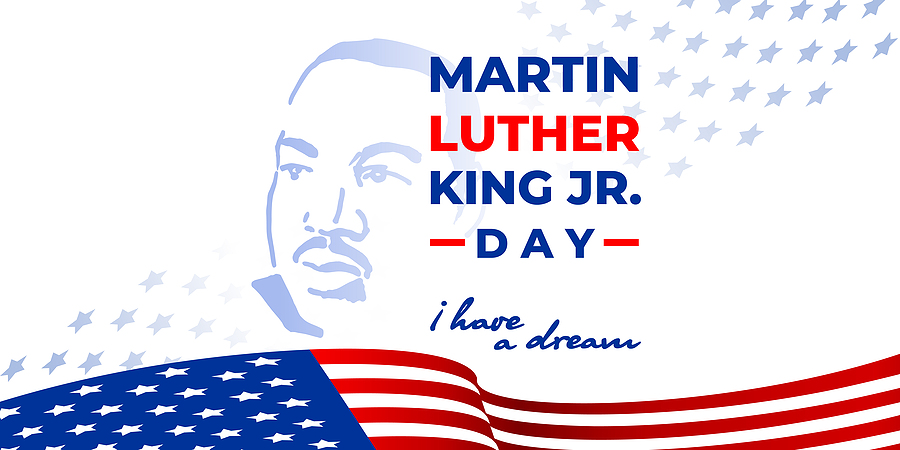
Honoring Dr. Martin Luther King Jr.: A Legacy of Justice and Your Fundamental Rights

Every year on the third Monday of January, the United States pauses to honor the life and legacy of Dr. Martin Luther King Jr. While many view this federal holiday as a long weekend or a chance to participate in community service, it also serves as a powerful reminder of the legal battles fought to secure equality for all Americans.

Dr. King’s work was fundamentally about the law—challenging unjust statutes, advocating for new legislation, and demanding that the Constitution’s promises apply to every citizen, regardless of race. Because of the Civil Rights Movement, the legal landscape of the United States changed forever.

However, rights are only as powerful as your understanding of them. To truly honor this legacy, it is essential to understand the distinction between civil and criminal rights, how they intersect, and how they protect you today.

Call 317-636-7514 if You are Looking for a Criminal Attorney in Indiana

The History Behind Martin Luther King Jr. Day

The path to establishing Martin Luther King Jr. Day was nearly as arduous as the Civil Rights Movement itself. Although legislation to create the holiday was introduced just four days after Dr. King’s assassination in 1968, it took 15 years of persistence by activists and lawmakers to become a reality.

In 1983, President Ronald Reagan signed the bill into law, and the holiday was observed for the first time in 1986. Today, it stands as the only federal holiday designated as a national day of service—often referred to as “a day on, not a day off.” It challenges citizens to improve their communities, a mission that aligns perfectly with understanding and upholding the law.

Overview of Civil Rights Law

Civil rights are the legal provisions that protect individuals from discrimination and ensure equal social and political freedom. These laws typically govern how people are treated by the government, employers, and private organizations in education, housing, and employment.

Several landmark pieces of legislation anchor these protections:

The Civil Rights Act of 1964

This is perhaps the most significant civil rights law in U.S. history. Specifically, Title VII of this Act prohibits employment discrimination based on race, color, religion, sex, and national origin. It ensures that employers cannot hire, fire, or segregate employees based on these protected characteristics.

The Fair Housing Act of 1968

Housing is a fundamental necessity, and this Act makes it illegal to discriminate in the sale, rental, or financing of housing. Under this law, landlords and real estate agencies cannot refuse housing to someone based on race, religion, national origin, familial status, or disability.

Overview of Criminal Law and Civil Rights

While civil rights law often involves lawsuits between individuals or entities (seeking money or policy changes), criminal law involves the government prosecuting a person for breaking a statute. However, there is a significant intersection between the two, particularly when it comes to misconduct by authority figures.

Deprivation of Rights Under Color of Law

One of the most powerful tools in enforcing civil rights is 18 U.S.C. § 242. This federal statute makes it a crime for anyone acting under the “color of law” (such as police officers, prison guards, or government officials) to willfully deprive a person of a right or privilege protected by the Constitution.

For example, if a law enforcement officer uses excessive force during an arrest, they aren’t just violating police protocol; they may be committing a federal crime by depriving the suspect of their constitutional rights to due process and freedom from unreasonable seizure.

Hate Crimes

The legal system also recognizes that crimes motivated by bias harm not just the victim, but the community as a whole. Federal hate crime laws, such as the Matthew Shepard and James Byrd Jr. Hate Crimes Prevention Act, allow for federal prosecution of violent crimes committed because of the victim’s actual or perceived race, color, religion, national origin, gender, sexual orientation, gender identity, or disability.

Request a Free Meeting With a Criminal Lawyer in Indianapolis

Practical Examples: Civil vs. Criminal

Understanding the difference between a civil wrong and a criminal offense can be confusing. Here are a few scenarios to clarify the distinction:

Scenario 1: Housing Discrimination

  • The Situation: A landlord refuses to rent an apartment to a qualified family because they have children.
  • The Law: This is a violation of the Fair Housing Act (familial status).
  • The Outcome: This is a civil matter. The family can file a complaint with the Department of Housing and Urban Development (HUD) or sue the landlord for damages.

Scenario 2: Excessive Force

  • The Situation: A police officer severely beats a suspect who is already handcuffed and not resisting.
  • The Law: This violates the suspect’s Fourth Amendment rights and 18 U.S.C. § 242.
  • The Outcome: This can be both civil and criminal. The victim can sue the police department for civil damages (money). Simultaneously, the federal government (DOJ) can prosecute the officer for the crime of deprivation of rights.

Knowing Your Rights

Dr. King fought for the rights written on paper to become reality in practice. However, these protections only work if you know how to exercise them, particularly during interactions with law enforcement.

If You Are Stopped by Police

The American Civil Liberties Union (ACLU) outlines specific steps to protect yourself during police encounters:

  • The Right to Remain Silent: You have the constitutional right to remain silent. You generally do not have to answer questions about where you are going, where you are from, or what you are doing. You should clearly state, “I wish to remain silent.”
  • Free to Leave? If you are stopped on the street, ask calmly, “Am I free to go?” If the answer is yes, walk away calmly. If the cop tells you that you are detained, you must stay until they tell you that you are free to leave.
  • Right to an Attorney: If you are arrested, ask for a lawyer immediately. Do not sign anything or answer questions without legal counsel present.

Search and Seizure

The Fourth Amendment protects you from unreasonable searches.

  • Do Not Consent: If an officer asks to search your car, home, or person, you have the right to say no. State clearly, “I do not consent to this search.” If the police discover evidence deeming it reasonable to do so, known as reasonable suspicion, they can lawfully search without consent.
  • Warrants: In most cases, police need a warrant to search your home. If they come to your door, ask to see the warrant. It must be signed by a judge and specifically list the address and items to be searched.

Frequently Asked Questions about MLK Day and Rights

Is Martin Luther King Jr. Day a federal holiday?

Yes. It was signed into law in 1983 and is observed on the third Monday of January. Government offices, post offices, and many schools and businesses are closed.

Does the First Amendment protect all forms of protest?

The First Amendment protects the right to peaceable assembly and free speech. However, the government can place reasonable restrictions on the “time, place, and manner” of protests (e.g., requiring a permit to block a street). It does not protect violence or property destruction.

Can I be charged with a crime for recording the police?

Generally, you have a First Amendment right to record police officers performing their duties in public, provided you do not interfere with their work or obstruct justice. If they ask you to step back or leave, you must comply, otherwise you can be arrested for obstruction. Officers cannot confiscate or delete your footage without a warrant.

Safeguarding the Dream

Martin Luther King Jr. Day is more than a commemoration of the past; it is a call to protect the future. The laws that Dr. King and his contemporaries fought for form the bedrock of our modern justice system. Whether it is the right to a fair trial, the right to equal housing, or the right to be free from excessive force, these protections define what it means to be an American citizen.

However, the legal system remains complex. When you find yourself facing criminal charges or a violation of your rights, navigating these statutes alone can be overwhelming. Ensuring you have experienced legal counsel is the best way to ensure your rights are respected.

Are you or a loved one facing criminal charges in Indianapolis? Don’t navigate the legal system alone. Contact Us Today for a free criminal case evaluation and let us fight to protect your rights.

Call Now to Learn More

Related Post: Understanding Civil Rights in the United States

What Does a Suspended Sentence With Probation Entail in Marion County, Indiana?

Hearing a judge announce a sentence can be one of the most stressful moments in a person’s life. But when the words “suspended sentence” are spoken, it often brings a wave of relief. It means you aren’t going to jail right now—but it doesn’t mean you are completely free.

In Marion County, as in the rest of Indiana, a suspended sentence is a critical legal opportunity. It acts as a contract between you and the court: the state agrees to hold off on incarceration, provided you agree to follow a strict set of rules under probation supervision. Understanding exactly what this entails is crucial because a single misstep can reactivate that jail time.

This guide explores what you can expect if you receive a suspended sentence with probation in Indianapolis, from the standard conditions to the severe consequences of a violation.

Call 317-636-7514 if You are Looking for an Experienced Marion County Criminal Defense Lawyer

Understanding Suspended Sentences in Indiana

A suspended sentence is essentially a paused prison or jail term. When a judge hands down a sentence—say, 365 days in the Marion County Jail—they have the discretion to “suspend” all or part of that time.

Instead of serving those days behind bars, you serve them in the community. However, this freedom is conditional. The threat of incarceration hangs over your head for the duration of your sentence. If you successfully complete the supervision period, the threat disappears, and you never have to serve that time in custody. But if you fail to meet the court’s expectations, the judge can “revoke” the suspension and order you to serve the original sentence.

The primary mechanism for monitoring you during this time is probation.

What is Probation?

Probation is a court-ordered period of supervision. In Marion County, the goal of probation is twofold: to protect the community and to rehabilitate the offender without the need for incarceration.

When you are on probation, you are assigned a probation officer from the Marion County Superior Court Probation Department. This officer is your primary point of contact. Their job is to ensure you are complying with the court’s orders and to report back to the judge if you are not. It is vital to view your probation officer not just as an enforcer, but as a resource who can help you navigate the requirements of your sentence.

Common Conditions of Probation in Marion County

While every case is unique, and judges have broad discretion to tailor conditions to the specific offense, there are standard requirements that almost everyone on probation in Indianapolis must follow. These are outlined in Indiana Code 35-38-2-2.3.

1. Reporting Requirements

You will be required to report to your probation officer regularly. This might be weekly, monthly, or quarterly, depending on your risk level and the severity of the offense. Reporting can be in person, by phone, or via an online portal. Failure to show up for an appointment is one of the most common ways people violate probation.

2. Financial Obligations

Probation isn’t free. You will likely be required to pay various fees, including:

  • Probation User Fees: An initial fee plus monthly administrative fees.
  • Court Costs and Fines: Penalties associated with your conviction.
  • Restitution: If your crime involved a victim (such as theft or property damage), you may have to pay them back.

In Marion County, failure to pay simply because you are poor is generally not grounds for revocation, but you must prove that you genuinely cannot pay despite your best efforts. Recklessly or intentionally refusing to pay, however, can land you in trouble.

3. Drug and Alcohol Testing

Even if your offense wasn’t drug-related, maintaining a sober lifestyle is a standard condition. You may be subject to random urine screens or breathalyzer tests. In Marion County, testing positive for illegal drugs—or alcohol, if prohibited—is a direct violation of the court’s order.

Get Legal Advice for Your Indianapolis Criminal Case Now

4. Employment and Residence

You are typically required to maintain suitable employment or be a full-time student. Additionally, you cannot change your address or leave the state of Indiana without prior permission from your probation officer. The court needs to know where you are at all times.

5. No New Arrests

This is the “golden rule” of probation. You must lead a law-abiding life. Getting arrested for a new crime—even a minor misdemeanor—can trigger a violation of your current probation.

6. Specific Treatment Programs

Depending on the nature of your conviction, the judge may order:

  • Substance abuse counseling or inpatient treatment.
  • Anger management or domestic violence classes.
  • Mental health evaluations and treatment.

Violations and Consequences

If you fail to follow any of these conditions, your probation officer can file a “Petition to Revoke Probation.” This is a serious legal filing that alleges you broke the contract of your suspended sentence.

Once a petition is filed, the court may issue a warrant for your arrest. Unlike a standard arrest, you may be held without bond for up to 15 days while the probation department prepares their case.

At the violation hearing, the burden of proof is lower than in a criminal trial. The state only needs to prove “by a preponderance of the evidence” (more likely than not) that you violated a condition, rather than “beyond a reasonable doubt.”

If the judge finds you in violation, they have three main options under Indiana law:

  • Continue Probation: They may simply warn you and allow you to continue on the current terms.
  • Modify Conditions: They may extend your probation period (up to one year) or add stricter rules, such as home detention or more frequent drug testing.
  • Revoke the Suspended Sentence: The judge can order you to serve part or all of your suspended sentence in jail or prison. For example, if you had 300 days suspended, the judge can order you to go to jail for those 300 days.

Why You Need Professional Legal Help

Navigating the probation system in Marion County can be tricky. The rules are strict, and the consequences for slipping up are severe. If you are facing a probation violation, or if you are initially being sentenced and want to advocate for a suspended sentence rather than jail time, you should not do it alone.

A skilled Marion County criminal defense attorney can help explain your rights, negotiate with prosecutors, and present mitigating evidence to the judge. Whether it’s arguing that a missed appointment was an honest mistake or fighting a false positive drug test, having professional representation is your best defense against incarceration.

Conclusion

A suspended sentence is a second chance—an opportunity to move forward with your life while remaining in your community. However, it requires discipline, responsibility, and strict adherence to the rules set by the Marion County Superior Court. By understanding what is expected of you and taking your probation conditions seriously, you can successfully complete your sentence and put the legal system behind you.

If you are currently facing legal challenges in Indianapolis, don’t leave your future to chance.

Are you facing criminal charges or a probation violation in Marion County? Contact Us Today for a free, professional criminal defense case evaluation.

Call Now to Book

Related Post: Indiana Alternative Sentencing: Options Beyond Jail Time

Essential Tips for Navigating Parole in Indiana Successfully

Stepping out of an Indiana Department of Correction (IDOC) facility marks the end of one chapter and the beginning of another. While release is a moment of celebration, it also brings a new set of responsibilities. Parole acts as a bridge between incarceration and complete freedom, offering a period of supervision to ensure a safe transition back into the community.

Navigating this system can feel overwhelming. You are balancing the excitement of returning home with strict rules, reporting requirements, and the pressure to find stability. However, understanding how the system works is your best defense against recidivism. By knowing what to expect regarding supervision, employment, and eventually expunging your record, you can turn this period of conditional release into a permanent foundation for a better life.

Call 317-636-7514 for Help With Parolee Expungement in Indiana

Understanding Your Parole Conditions

Parole is not total freedom; it is a conditional release where the state retains custody over you, but allows you to serve the remainder of your sentence in the community. In Indiana, the Indiana Parole Board or statutory mandates determine the specifics of your release.

Standard Conditions

Every parolee in Indiana must adhere to a set of standard rules. These generally include:

  • Remaining within a specific geographic area unless granted permission to travel.
  • Refraining from criminal activity and associating with known felons.
  • Reporting to your parole agent as directed.
  • Permitting home visits and searches by parole agents.
  • Maintaining employment or participating in an approved educational program.

Special Stipulations

Beyond the basics, the Parole Board may impose special stipulations based on your specific history or risk assessment (IRAS). These are tailored to address specific needs and reduce the risk of re-offense. For example, if substance use was a factor in your past, you may be required to undergo random drug testing and attend addiction counseling.

For those under the Sex Offender Management & Monitoring (SOMM) program, conditions are more rigorous. This often includes GPS monitoring, polygraph testing, and restrictions on internet usage. It is vital to view these conditions not just as restrictions, but as guardrails designed to keep you on the path to success.

Mastering Reporting and Supervision

Your relationship with your parole agent is the most critical professional relationship you will have during your supervision. In Indiana, the presumptive length of parole supervision is typically two years, though this can vary based on the offense and your behavior.

The Importance of Communication

Transparency is your best policy. If you lose your job, face a housing crisis, or even have a minor interaction with law enforcement, tell your agent immediately. Agents are far more likely to work with a parolee who is honest and proactive than one who hides information.

Reporting Schedules

initially, reporting might be frequent—often weekly or bi-weekly. As you demonstrate stability and compliance, these requirements may decrease. However, missing a scheduled report is one of the fastest ways to trigger a violation. Treat these appointments with the same importance as a court date.

Get a Free Expungement Eligibility Review Today!

Securing Stable Employment and Housing

Finding a job and a place to live are often the two biggest hurdles for reentry, yet they are non-negotiable conditions of parole.

Finding Employment

Indiana has recognized the importance of employment in reducing recidivism. The Hoosier Initiative for Re-Entry (HIRE) program is a state-run resource specifically designed to help individuals with felony convictions connect with employment resources and career counseling.

Additionally, look for “Second Chance” employers. Many industries, particularly in manufacturing, logistics, and construction, are open to hiring individuals with criminal records. When interviewing, be honest about your background but pivot quickly to your skills, your reliability, and your desire to move forward.

Housing Resources

If you do not have family to stay with, transitional housing is often the best option. Organizations like Horizon House and Wheeler Mission in Indianapolis offer support. For those in recovery, Potters Recovery House (Fort Wayne) or Progress House (Indianapolis) provide sober living environments that satisfy parole residency requirements.

Leveraging Support Systems

You do not have to navigate this journey alone. Indiana is home to several organizations dedicated to reentry support.

  • PACE (Public Advocates in Community Re-Entry): Located in Indianapolis, PACE provides comprehensive case management, helping with everything from transportation and clothing to employment and mental health referrals.
  • Goodwill New Beginnings: This program offers a 3-to-18-month curriculum that combines paid internships with soft-skills training, specifically for justice-involved individuals.
  • WorkOne: Your local WorkOne center is a hub for job seekers, offering resume assistance, interview prep, and access to training grants.

Building a positive social network is equally important. Surround yourself with people who support your sobriety and your goals. If you are struggling with mental health or addiction, utilize community-based treatment providers like Aspire Indiana Health or Hamilton Center.

Avoiding Common Violations

Violations generally fall into two categories: technical violations and new offenses.

A technical violation occurs when you break a rule of supervision, such as missing a curfew, failing a drug test, or moving without permission. While a single technical violation might result in intermediate sanctions—like a curfew adjustment or increased reporting—repeated violations can lead to revocation.

A new offense involves committing a new crime while on parole. This almost always results in a Preliminary Parole Violation Hearing and often leads to re-incarceration.

To avoid these pitfalls:

  • Know your rules: Read your release agreement multiple times.
  • Plan ahead: If you have transportation issues, call your agent before you are late.
  • Stay sober: If substance use is a trigger, attend meetings and lean on your recovery support network.

Looking Ahead: Criminal Record Expungement

Indiana’s “Second Chance Law” offers a light at the end of the tunnel. Once you have successfully completed your sentence and a mandatory waiting period, you may be eligible to have your criminal records expunged (sealed).

Under Indiana Code 35-38-9, expungement eligibility and waiting periods depend on the severity of the conviction:

  • Arrests (no conviction): Generally eligible after one year.
  • Misdemeanors: Generally eligible five years after the date of conviction.
  • Level 6 Felonies: Generally eligible eight years after the date of conviction.
  • Higher Level Felonies: Eligibility varies and may require prosecutor consent.

Expungement can prohibit employers, landlords, and the general public from seeing your criminal history, significantly opening doors for your future. It is not automatic; you must file a petition, and for most felonies, you only get one chance in your lifetime to file.

Conclusion

Reentry is a marathon, not a sprint. It requires patience, discipline, and a willingness to ask for help. By adhering to your conditions, utilizing resources like HIRE and PACE, and maintaining open communication with your supervision team, you are doing more than just “staying out of trouble”—you are building a new life.

Once you have established stability and met the necessary timelines, clearing your record is the final step in putting the past behind you.

Are you ready to move forward without your past holding you back? If you have completed your parole and want to know if you qualify for expungement under Indiana’s Second Chance Law, we can help. Contact us today for a free criminal record expungement eligibility review in Indianapolis. Let’s discuss your options and help you reclaim your future.

Call Now to Get Started

Related Post: 7 Tips for Those on Probation or Parole

Firearm Penalties in Indianapolis: What You Need to Know

Indiana law regarding firearms has undergone significant changes in recent years, specifically with the introduction of “Constitutional Carry.” While the ability to carry a handgun has become more accessible for many law-abiding citizens, the penalties for firearm-related crimes remain severe.

For residents of Indianapolis, understanding the distinction between legal carry and criminal possession is vital. A misunderstanding of these statutes can lead to felony charges, substantial fines, and years in prison. Whether you are a gun owner or simply a concerned citizen, knowing how the state prosecutes firearm offenses is the first step in protecting your rights.

This guide explores the current legal landscape in Indianapolis, breaking down the specific penalties for possession, armed robbery, and sentencing enhancements that can drastically alter a court’s ruling.

Call 317-636-7514 if You Are Facing Firearm Charges in Indianapolis Indiana

Understanding Indiana’s “Permitless Carry” Law

On July 1, 2022, Indiana joined nearly two dozen other states in enacting a permitless carry law (HEA 1296-2022). This legislation fundamentally changed how handguns are regulated within the state.

Previously, carrying a handgun required a specific license. Under the current law, any “eligible person” may legally carry, conceal, or transport a handgun without a state-issued permit. However, this freedom comes with strict limitations. It does not mean anyone can carry a gun anywhere.

Who is Still Prohibited?

The law explicitly excludes “prohibited persons” from permitless carry. If you fall into one of these categories (defined under IC 35-47-2-1.5), carrying a firearm remains a criminal offense. Prohibited individuals include those who:

  • Have been convicted of a felony (punishable by over one year of imprisonment).
  • Have been convicted of domestic violence or stalking.
  • Are subject to a protective order.
  • Are under indictment for a felony.
  • Are fugitives from justice.
  • Have been adjudicated as dangerous or mentally defective.

Furthermore, private property owners in Indianapolis retain the right to ban firearms on their premises. If you carry a weapon onto private property where it is prohibited—such as a business, workplace, or private residence—you could face criminal trespassing charges.

Penalties for Unlawful Possession

While the permit requirement has vanished for many, the consequences for unlawful possession have not. The severity of the punishment often depends on the offender’s criminal history and the circumstances of the arrest.

Possession by a Serious Violent Felon

Indiana law is particularly harsh regarding individuals classified as “serious violent felons.” Under IC 35-47-4-5, a serious violent felon is someone previously convicted of crimes such as murder, voluntary manslaughter, rape, robbery, or burglary.

If a person with this classification knowingly or intentionally possesses a firearm, they commit a Level 4 Felony. In Indiana, a Level 4 Felony carries a fixed prison term of between 2 and 12 years, with an advisory sentence of 6 years. The court may also impose a fine of up to $10,000.

Possession on School Property

Carrying a firearm on school property remains strictly regulated. Even with permitless carry, bringing a firearm onto school grounds can result in a Level 6 Felony, punishable by 6 months to 2.5 years in prison.

Meet With a Felony Crime Lawyer for Free, Today

Penalties for Firearm-Related Crimes

When a firearm is used during the commission of another crime, the legal stakes rise exponentially. The presence of a deadly weapon acts as an aggravating factor, elevating misdemeanor charges to felonies and increasing the potential prison time for existing felonies.

Criminal Recklessness with a Deadly Weapon

Criminal recklessness involves engaging in conduct that creates a substantial risk of bodily injury to another person. Generally, this is a Class B misdemeanor. However, if the act is committed while armed with a deadly weapon, it becomes a Level 6 Felony (IC 35-42-2-2).

The charges escalate further if a firearm is discharged into an inhabited dwelling or a place where people have gathered. In these instances, the charge is elevated to a Level 5 Felony, which carries a prison term of 1 to 6 years.

Armed Robbery

Robbery—taking property from another person by using or threatening force—is a Level 5 Felony. However, under IC 35-42-5-1, the charge becomes significantly more serious if a weapon is involved:

  • Level 3 Felony: If the robbery is committed while armed with a deadly weapon or results in bodily injury. The sentencing range is 3 to 16 years.
  • Level 2 Felony: If the robbery results in serious bodily injury. The sentencing range is 10 to 30 years.

Sentencing Enhancements for Firearm Use

One of the most critical aspects of Indiana firearm law is the sentencing enhancement found in IC 35-50-2-11. This statute allows the state to seek an additional fixed term of imprisonment if a firearm was knowingly or intentionally used in the commission of certain offenses, such as kidnapping, criminal confinement, or felonies resulting in death or serious bodily injury.

If the court applies this enhancement, the offender faces an additional 5 to 20 years in prison. This time is served consecutively, meaning it is added on top of the sentence for the underlying crime.

Homicide Involving a Firearm

The most severe penalties are reserved for homicide cases. Under IC 35-50-2-3, a murder conviction in Indiana carries a fixed term of imprisonment between 45 and 65 years, with an advisory sentence of 55 years.

If the offender was 18 or older at the time of the crime, the state may seek life imprisonment without parole or the death penalty, depending on the aggravating circumstances.

Defenses Against Firearm Charges

Facing a firearm charge does not guarantee a conviction. The complex nature of these laws means that the details of the arrest matter. Common defenses in Indianapolis courts often revolve around the Fourth Amendment and the concept of possession.

  • Illegal Search and Seizure: If law enforcement discovered the weapon through an unlawful traffic stop or a search warrant that lacked probable cause, the evidence may be suppressed.
  • Constructive Possession: Just because a gun was found in a car or home you were in does not automatically mean it was legally “yours.” The state must prove you had both the intent and capability to maintain control over the firearm.
  • Self-Defense: Indiana has robust self-defense laws. If you used a firearm to protect yourself or another person from imminent serious bodily injury or a forcible felony, you may be justified in your actions.

Protecting Your Future in Indianapolis

The shift to permitless carry has created a sense of leniency regarding firearms, but the reality of the penal code tells a different story. Indiana prosecutors aggressively pursue firearm enhancements and violent felony charges. A conviction can result in the loss of voting rights, the permanent loss of gun ownership rights, and years away from your family.

Navigating the criminal justice system in Marion County requires an in-depth understanding of these statutes and the specific sentencing guidelines that apply to your case.

If you or a loved one has been arrested for a gun crime, you need a legal team that understands the nuances of Indiana’s firearm legislation. Contact Us Today for a free criminal defense case review in Indianapolis, Indiana. Let us help you understand your options and build a defense to protect your freedom.

Call Now to Book

Related Post: Do I Need a Permit to Carry a Handgun in Indiana?