Why Was My Plea Deal Rejected By the Judge?

Many criminal defendants wrongly assume that when they are presented with a plea deal, they are automatically granted the deal. However, it is possible for a judge to reject a plea deal after a defendant has agreed to one. Not only can this be fusing, but it can be highly frustrating when it comes time to stand trial for sentencing.

Continue reading to learn why plea deals are commonly rejected by judges, and what you can do to appeal the plea deal denial.

Plea Bargain Lawyer Indianapolis Indiana 317-636-7514

What is a Plea Deal?

A plea deal, or bargain, is just that: an agreement between the prosecuting attorneys and the defendant’s defense attorney in which each party sacrifices something to gain something when it comes time for sentencing. Essentially, it is a compromise regarding a defendant’s charges and penalties for their crimes. In most cases, this means a defendant accepts to plead guilty to their charges in return for a lower conviction and/or more forgiving sentence.

What You Need to Know About Accepting a Plea Bargain

But here is what most criminal defendants do not know: it is not up to the prosecution and defense to use a plea bargain. Instead, plea bargains must first be approved by the courts. A judge has to determine whether or not a defendant was strong-armed in any way; and once they confirm no pressure was made, they will approve a plea bargain. However, the process and regulations for plea bargains differ from state to state.

Why Pleas Get Denied By Courts

In most cases, criminal defendants will be granted their plea deal by the court. However, it is possible for the courts to deny a plea deal presented by the prosecution, especially in the case of habitual offenders. After all, if you are being charged with your tenth DUI, it is unlikely that the court will accept a plea deal in your favor. At this point, they will be ready to punish you and use you as an example to the community.

In less egregious scenarios, plea deals can still be rejected by the judge. This may happen if the judge strongly believes that A) it is in the best interest of the community or general public, or B) the plea agreement does not sufficiently address the nature of the offense or the rights of the victims involved, if any.

How to Get Help with Your Criminal Charges In Indiana

It is important to talk to a trusted and licensed Indianapolis criminal defense attorney about Indiana plea bargains and appeal procedures. A seasoned criminal lawyer will be able to navigate all elements of your case and build you in impactful defense in favor of a lighter or even served sentence.

Are you looking for a skilled criminal defense lawyer who can get you the best outcome to your Indiana criminal charges? Contact the Law Office of David E. Lewis at 317-636-7514 to schedule a meeting with our experienced Indianapolis criminal defense law firm. We can hold meetings over the phone or in person at our Indy-based office.

Related Posts:

Should I Plead Guilty to My DUI Charge?
Should I Plead No Contest if My Criminal Charge is Minor?
The Pros and Cons of Taking a Plea Deal

Can a Person Be Arrested for Blackmailing?

Blackmail is a crime. Crimes come with penalties of all kinds, from fines and restitution to community service, house arrest, probation, and even jail time. And like all crimes, blackmailing another person, business, or organization will lead to these same consequences. Continue below to learn more about blackmail laws, including the common charges and penalties, plus what to do if you are being blackmailed by another.

Blackmail Criminal Defense Lawyer Indianapolis Indiana 317-636-7514

Blackmailing Laws in Indiana

Blackmailing can be a state or federal crime depending on the circumstances or nature of the offense. Most people wrongly assume that blackmail is the act of forcing someone to do something they don’t want to do by means of threat or ultimatum (not by bribery or intimidation). But the true, universally accepted legal definition of blackmail describes a very serious offense that causes significant damage to one’s reputation, finances, or quality of life, all of which can subject a victim to extreme psychological and emotional traumas. For this reason, blackmail is deemed as a very serious offense under criminal law, and therefore, renders major penalties, including jail time.

West’s Encyclopedia of American Law, (2d Edition, 2008), defines blackmail as: “[t]he crime involving a threat for purposes of compelling a person to do an act against his or her will, or for purposes of taking the person’s money or property.

Forms of Blackmail

Blackmail crimes come in all forms. A blackmailer could threaten a person to do something they don’t want to do by threatening physical violence, or threatening to harm their 1) reputation, 2) employment status or privileges, 3) school admissions, 4) child custody rights, 5) social status, 6) membership status, 7) finances, 8) property, 9) loved ones, and much more. A blackmailer may even threaten to reveal secrets that can cause harm to all of these elements of life and more.

Typically, the person doing the blackmailing is someone that has a level of authority or power over the victim, such as an employer, computer hacker, spouse, parent, guardian, conservatorship representative, lawyer, agent, teacher, school administrator, and similar authorities. However, this is not always the case. A blackmailing victim can be blackmailed by their best friend, romantic partner, neighbor, or even a minor.

Blackmail Versus Extortion

The terms blackmail and extortion are sometimes used interchangeably to describe the same type of crime. However, blackmail is typically reserved to describe crimes of threat, while extortion is more like blackmail that results in actually receiving funds, money, payment, or some other reward. Basically, when blackmail is successful, it turns into the crime of extortion.

Penalties for Blackmailing

Here in Indiana, if the defendant is charged with blackmail or extortion, they will face a long list of penalties, with the possibility of jail time. In most cases, a first offender convicted of a blackmailing crime will be sentenced to fines. In other cases, a defendant might be sentenced to fines and imprisonment. Aside from criminal penalties, a person convicted of blackmail or extortion may also face a civil lawsuit brought on by the victim. The victim could seek damages from the blackmailer in the form of compensation or settlement.

What to do if you’re being blackmailed: Immediately contact the police and give a full report. Never take matters into your own hands.

Are you currently facing criminal charges for bribery, blackmail, or extortion in Indiana? Contact the Law Office of David E. Lewis at 317-636-7514 for aggressive criminal defense for misdemeanor or felony criminal charges in Indianapolis, Indiana. We represent adults, minors, and juveniles all across the state.

Related Posts:

Can I Get Arrested for Threatening Someone?
Can I Be Arrested for Intimidating Someone?
The Difference Between a No Contact and Protective Order

Frequently Asked Questions About No Contest Pleas

Although a No Contest plea is a common alternative to a guilty or not guilty plea, it may or may not be the right choice for your criminal case. Continue below to learn what you need to know by reviewing these frequently asked questions about no contest pleas in Indiana.

Criminal Lawyers Indianapolis Indiana 317-636-7514

FAQS About No Contest Pleas

What is a No Contest Plea?

“No Contest”, or nolo contendere in legalese, literally translates to, “I do not wish to contend.” A No Contest plea is used as an alternative to pleading guilty or not guilty. Essentially, when a defendant chooses to plead no contest, they are neither admitting nor disputing the charges against them. Although a defendant does not admit guilt, the plea will elicit a criminal conviction in court. Accordingly, a No Contest plea is essentially the same as a guilty plea.

Many people confuse No Contest pleas to “Alford” pleas. Although nolo contendere pleas are similar to Alford pleas in that both do not admit guilt, they still accept the punishment under a guilty conviction. Under an Alford plea, a defendant is saying they are innocent, but will accept the guilty conviction and subsequent penalties. Under a nolo contendere plea, a defendant is not admitting guilt nor claiming to be innocent. 

What are the Pros and Cons of Using a No Contest Plea?

There are many noted advantages of pleading no contest in a criminal case. As for benefits, nolo contendere pleas are wise in criminal cases that might also result in civil action. If a civil lawsuit were to arise, the defendant’s guilty conviction upon pleading no contest cannot be used as evidence against them. Additional benefits of a nolo contendere plea include:

▷ Lower Attorney Fees and Court Costs
▷ Shorter Trial Process
▷ Publicity/Reputation Protection
▷ Potential for Lighter Sentences
▷ Stopping Further Investigation

On the other hand, there are also some critical disadvantages of pleading no contest. First and foremost, a No Contest plea is essentially a guilty plea because it renders a guilty conviction and subsequent sentence. Basically, defendants are punished just as they would be had they entered a guilty plea. Additional disadvantages of No Contest pleas include having a conviction on your permanent.

How Do I Plead No Contest to My Criminal Charges?

Courts must grant approval before a defendant can enter a nolo contendere plea. So, your first step to determining your eligibility for pleading no contest would be to hire a criminal defense lawyer. They can arrange all the motions and paperwork asking the courts for permission to enter a No Contest plea. Some defendants will be denied.

Should I Plead No Contest to a Minor Charge?

Although they are a type of guilty plea, pleading no contest can be beneficial for you when facing minor criminal charges, especially if the prosecution is offering it in a plea deal. Most often, plea deals are used to negotiate, which is why they are also called plea bargains. Prosecution will offer a reduced charge or sentence in return for the defendant’s guilty plea, or in this case, a No Contest plea.

Do I Need a Lawyer if I Am Going to Plead No Contest?

It is important to discuss your plea options with your defense lawyer. Hopefully you choose to hire a private criminal attorney in Indianapolis, as public defenders are overloaded with cases and cannot put much time or focus on a defendant’s case like a private lawyer can. If you want the best possible outcome to your criminal case, you will need private, personal defense.

With your lawyer, you can decide which plea is the best fit for your criminal circumstance. Each case is different, and everyone’s criminal history is different, so your best options will differ from the defendant down the street. In fact, you cannot just choose a no contest plea; in most states, defendants require permission from the courts first.

Are you ready to fight your Indiana criminal charges and potential avoid having to enter a plea altogether? Contact Attorney David E. Lewis at 317-636-7514 to schedule a free initial consultation with a seasoned Indianapolis IN criminal defense lawyer you can trust. We also represent defendants charged in Indiana but who live in another state.

Related Posts:

What if I Regret Entering a Guilty Plea?
The Pros and Cons of Taking a Plea Deal

Do I Withdraw My Plea or File an Appeal?

FAQS About Indiana’s Good Time Credit

If your pending criminal charges likely come with a jail sentence, you are wise to explore ways to reduce your imprisonment time with good inmate behavior. This is exactly what Indiana’s Good Time Credit program offers inmates in exchange for cooperation and obedience while in jail.

Unfortunately, not everyone qualifies for Indiana’s Good Time Credit, as there are several strict and specific criteria inmates must meet to be granted a reduced prison sentence. But for those who do qualify, the benefits are significant. Not only can you reduce your 18 month sentence to a 9 month sentence, but you can get back into the world you know, making money, taking care of family, attending school and church and so much more.

Continue below to review some frequently asked questions about Indiana’s Good Time Credit, including who might or might not qualify and where to get started in Indianapolis.

Get Out of Jail Lawyer Indianapolis Indiana 317-636-7514

Frequently Asked Questions About Indiana’s Good Time Credit

What is Indiana’s Good Time Credit?

Indiana’s Good Time Credit allows eligible and approved inmates to get out of jail sooner than their original sentence length if they exhibit good behavior. The amount of Good Time Credit that can be earned depends on the inmate’s level of offense. Indiana’s Good Time Credit terms and conditions can be found under Indiana Code 35-50-6-0.5. Good Time Credit should not be confused with other times of sentence-reducing credit time, such as accrued credit, vocational credit, rehabilitation program credit, house arrest credit, work release program credit, and educational credit.

Who is Eligible for Indiana’s Good Time Credit?

Those who have been given an executed sentence are on the brink of qualifying for Indiana’s Good Time Credit. Beyond executed sentences, it is the judge’s discretion to grant approval for Good Time Credit. Habitual offenders and violent offenders may be denied eligibility. Individuals who are sentenced as “credit restricted felons” do not qualify.

How Can I Earn Good Time Credit in Jail?

Earning Good Time Credit in jail starts and ends with good behavior.  Inmates must adhere to all rules and regulations, avoid confrontations, stay away from criminal activity, and participate in healthy activities, like exercise, schooling, vocational programs, and more. Depending on the level of offense an inmate is serving, they may be assigned Credit Class A through Credit Class P, which can accrue them days off their sentence with good behavior.

Credit Class A:
Class A Misdemeanors and Level 6 Felonies
▶ 1 Good Time Day for Every 1 Accrued Day
▶ Potential to Reduce Sentence By 50%

Credit Class B:
Level 1 – 5 Felonies
▶ 1 Good Time Day for Every 3 Accrued Days
▶ Potential to Reduce Sentence By 25%

Credit Class C:
Any Charge Level – Generally inmates are moved from Class A or B to Class C as punishment for bad behavior.
▶ 1 Good Time Day for Every 6 Accrued Days
▶ Potential to Reduce Sentence By 14.3%

Credit Class D:
Any Charge Level – Generally inmates are moved from Class A, B, or C to Class D as punishment for bad behavior.
▶ No Good Time Days
▶ No Potential to Reduce Sentence

Credit Class P:
Any Charge Level – Assigned to defendants awaiting trial while on home detention. Convicted persons do not qualify.
▶ 1 Good Time Day for Every 4 Accrued Days
▶ Potential to Earn Up to 25 Days Toward Executed Sentence

Am I Free After Being Released From Jail on Good Time Credit?

After being released from jail on an executed sentence based on Good Time Credit, you are not yet free from the law’s grip. Individuals will still have to report to a probation or parole office on a regular basis, pass routine drug and alcohol screens, participate in court-ordered programs (community service, rehab, etc.), pay all fines, maintain full-time employment, and more. You may also be subjected to a curfew, housing requirements, and mandatory job placement, plus have your drivers’ license suspended and your firearm rights taken away. Typically, probation or parole lasts between 1 and 5 years, depending on the criminal history and level of offense.

Are you looking for criminal defense attorney who can help you understand your rights to getting out of jail faster after being convicted of a crime in Indiana? Contact Attorney David E. Lewis at 317-636-7514 to speak with a seasoned criminal defense lawyer in Indianapolis, Indiana. Our legal team can help you obtain the best possible outcome to your criminal matters!

Related Posts:

How to Request Early Termination of Probation in Indiana
How to Reduce Your Criminal Charges
What Happens if I Violate My Probation in Indiana?

Are Breathalyzers Reliable at Proving Intoxication?

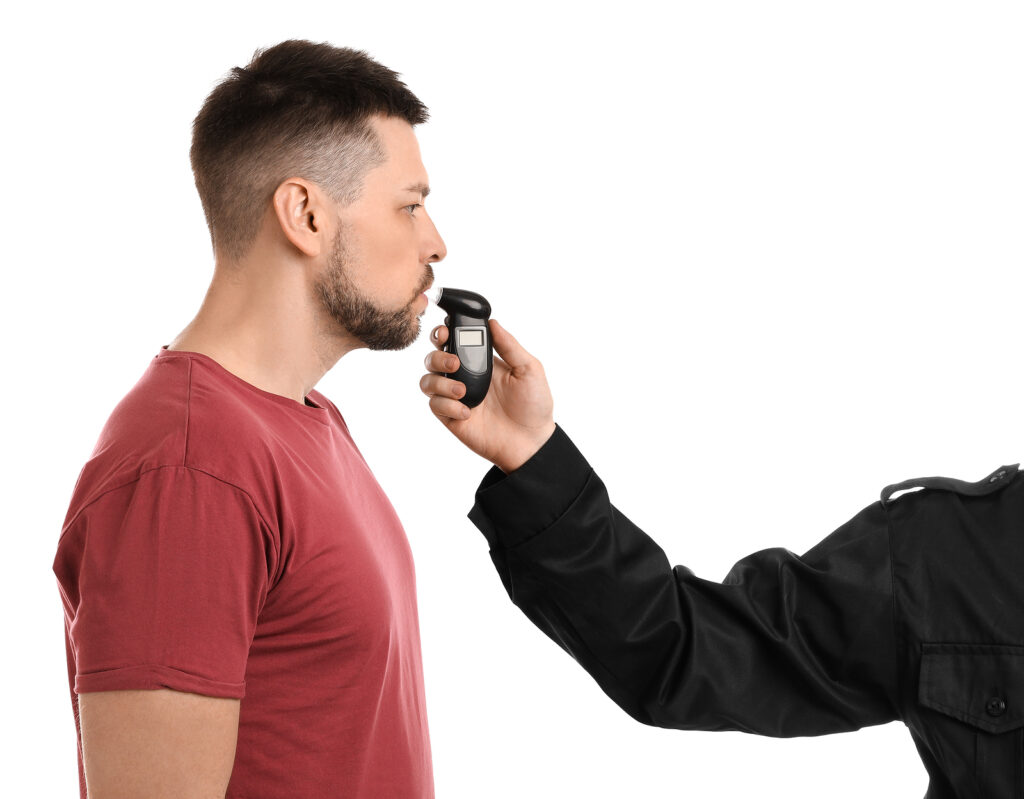
Breath testing has been the most common method of investigating and confirming a person’s blood alcohol concentration (BAC). Law enforcement and similar authorities typically use handheld electronic devices known as breathalyzers to test an individual’s breath and obtain a BAC reading. But are these breath testing devices actually reliable? Are they accurate? Do they really prove intoxication?

Continue reading to learn more about breath testing and breathalyzers, including what to do if you believe you have been wrongly arrested after failing a breathalyzer test in Indiana.

DUI Defense Lawyer Indianapolis Indiana 317-636-7514

Breathalyzer Testing

Breathalyzers are science-based electronic devices that are designed to read and compute blood alcohol levels based on breath. There are different types of breathalyzers. Some are designed with fuel cells that generate an electric current, while others use infrared light or chemical reactions.

The average person has no idea how these scientific electronic devices work, so many people tend to blindly trust whatever reveals. But like all manufactured commodities, especially electronic ones, design flaws and happen. In such a case, breathalyzers might incorrectly or inaccurately process the blood alcohol concentration in a person’s breath.

Breathalyzer Test Reliability

So, how reliable are these breathalyzers? Possibly not so much, at least not all the time. According to a post in the New York Times, thousands of people have been arrested based on flawed breath testing results over the years, and courts across the country have thrown out more than 50,000 tests.

As most fragile computer-based electronic devices go, breathalyzers require routine maintenance and care, including precise calibration. Not only must these devices be set up properly, but they must also be used correctly and by a certified operator. And the unfortunate truth is that the standards for proper breathalyzer usage and maintenance are not highly regulated.

Most law enforcement agencies are not monitored on how well they take care of or calibrate their BAC-measuring machines, how well they train their staff to use them, and how well they store their data. With all of these factors at play, there are many variables that can cause breathalyzers to compute inaccurately, and therefore, give unreliable BAC test results.

Get Yourself a Lawyer After Failing a Breath Test

Unfortunately, most law enforcement officials will take whatever reading the breathalyzer gives them and use it as just cause to arrest a person for public intoxication or drunk driving. For this reason, it is important to obtain professional and private criminal defense legal representation to fight your criminal charges. Good criminal defense attorneys have the resources, knowledge, and skills to reduce your charges or dismissed them entirely based on an unjust arrest.

Are you ready to preserve your freedom by getting started on your defense now? Contact Attorney David E. Lewis at 317-636-7514 for the best chance at reducing or dismissing your public intoxication or DUI charges in Indianapolis, Indiana. We represent clients all throughout the state of Indiana.

Related Posts:

DUI Criminal Records vs. Driving Records
Use These 3 Tips to Avoid Being Pulled Over By a Cop
FAQS About DUI Checkpoints

Facts About Aggravating Factors in a Criminal Case

Facing criminal charges is a confusing matter to experience. When aggravated factors are involved, it can be more challenging for a defendant to understand what’s at stake in terms of their rights and future freedoms. If you are concerned about defending aggravating factors in a criminal case, continue below to learn the right facts you need to know.

Indiana Criminal Defense Representation 317-636-7514

Aggravating Factors Make Criminal Charges Worse

Have you ever heard the phrases, “the straw that broke the camel’s back” or “the icing on the cake” before? Aggravating factors are certain details about a criminal act that make the crime more serious and the penalties much harsher. For instance, if a person is caught selling drugs out of their home, they would face certain charges and penalties. However, if that person is caught selling drugs near or on school grounds, they would face even higher charges and penalties since being at or within 500 feet of a school is an aggravating factor to the crime.

Common Types of Aggravating Factors

There are many types of aggravating factors, and a person can face multiple ones in their criminal case. Aggravating factors can enhance a criminal charge by many levels. They can bump a Class A misdemeanor to Level 6 Felony, or even a Level 5 felony. They can also bump low level misdemeanors to higher level misdemeanors. For instance, if a person with no prior criminal record gets busted for a DUI, they would face lighter charges and penalties compared to a person with no prior criminal record who gets busted for a DUI but also causes a car accident that results in bodily harm to a passenger or a driver.

Examples of Aggravating Factors:

Assault on a police officer or firefighter
Crimes involving minors
Crimes committed on or nearby schools or government buildings
Use of a deadly weapon
Causing bodily harm
Egregious recklessness or disregard
Battery causing death

Mitigating Factors Versus Aggravating Factors

Aggravating factors are opposite of mitigating factors, which are factors that can lessen the severity of a crime. For instance, if a person is caught in possession of a non-prescribed prescription narcotic, such as opioids or barbiturates, they would face a particular set of charges and penalties. However, if that person has no prior criminal record and is a good standing citizen within the community, such characteristics could be deemed as mitigating factors in their case, and therefore lessen their charge and penalties.

Are you currently facing criminal charges with aggravating factors in Indiana? Contact Attorney David E. Lewis at 317-636-7514 to speak with a skilled and aggressive criminal defense lawyer in Indianapolis, Indiana. Act fast so that you may avoid the maximum penalties for your probation violation.

Related Posts:

Does Your Indiana Criminal Defense Case Involve Aggravating Factors?
Will I Go to Jail if My Case Has Aggravating Factors?
What to Do if You are Facing Felony Assault Charges in Indiana

Do I Need to Hire a Lawyer for an Arrest Warrant?

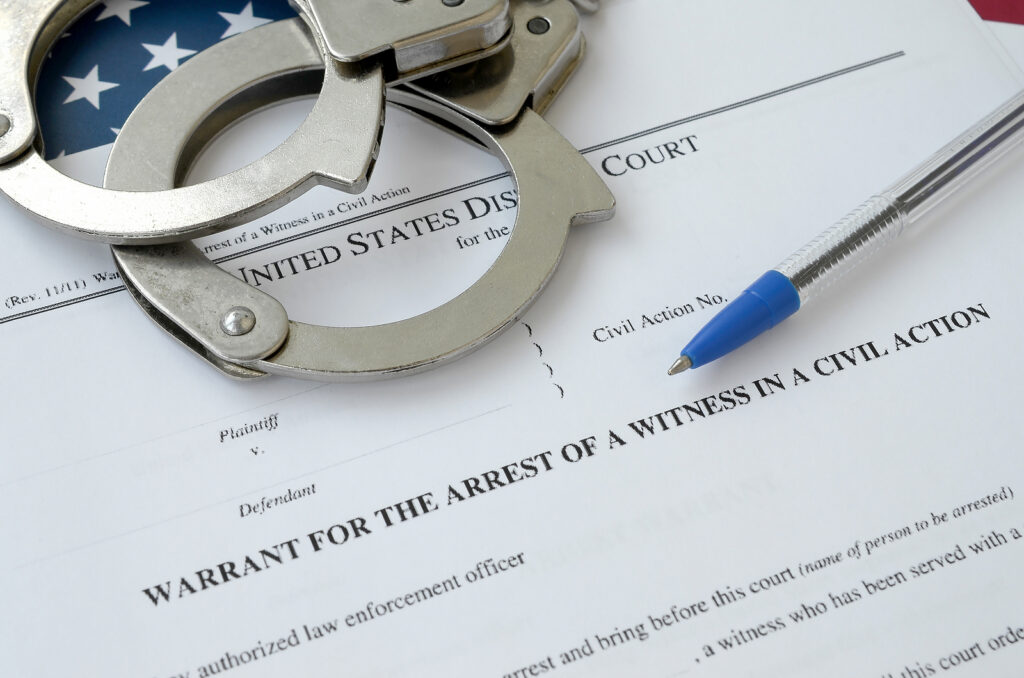
Arrest warrants are not as confusing as they may seem at first. Once you start exploring your options for turning yourself in to authorities, you will feel better about the process. After all, knowing what to expect is a great strategy for decreasing anxiety about any kind of pressing legal matter. Regardless of how straightforward arrest warrants tend to be, you may still have some questions. One of the most common questions about arrest warrants has to do with hiring a lawyer.

Continue reading to learn about hiring a criminal defense lawyer for assistance with an arrest warrant in Indiana, plus which law firm to trust for a fast and secure surrender.

Arrest Warrant Lawyers Indianapolis Indiana 317-636-7514
Arrest Warrant Lawyer Indianapolis Indiana 317-636-7514

How to Check for Arrest Warrants

There are many ways to discover an arrest warrant for your own arrest. The worst way is to be stopped by police, which commonly happens during routine traffic stops, DUI checkpoints, and similar police encounters. In these scenarios, the police immediate arrest and detain the suspect and bring them into jail. There is no time to make any phone calls, park your car, pay your tab, or anything else for that matter. You are simply arrested on the spot.

Another way arrest warrants are brought to one’s attention is by in-person police execution. This means that a uniformed officer will show up at a person’s place of residence or employment execute a warrant. They can also show up at your kid’s school, gym, and any other place you are known to be.

Sometimes, defendants are notified by conducting a warrant search on themselves. If you suspect that you have an active or outstanding warrant out for your arrest, verify this gut feeling with a certified arrest warrant lookup service. These are free and available online via several different government websites and portals.

Hiring a Lawyer for an Arrest Warrant

The best way, and it is the best because it is the most secure and can eliminate the need to turn yourself in altogether, is to hire an Indianapolis criminal defense lawyer to represent your charges. Your criminal defense lawyer can confirm if you indeed have an open warrant issued for your arrest, and quite possibly, have the warrant recalled. This would mean that you would not longer be wanted nor surrender to the jail.

A criminal defense attorney can file a motion with the court to have your arrest warrant recalled or for a combined bond review and warrant surrender. Otherwise, you would just turn yourself in and bail yourself right out.

Are you currently facing an arrest warrant in Indiana? Contact the Law Office of David E. Lewis at 317-636-7514 for skilled and friendly criminal defense in Indianapolis, Indiana. We represent adults and juveniles in all criminal cases.

Related Posts:

Do I Call a Bail Bondsman or a Lawyer First?
Do I Have to Let Police in My House if They Show Up With a Search Warrant?
The Best Advice on Managing an Arrest Warrant
The Difference Between Arrest Warrants and Bench Warrants

What You Need to Know About Indiana Tax Fraud

If you are a small business owner who is preparing to file your company’s tax return, you have until tomorrow to do so. If you are an individual filing your personal tax returns, you have until Monday, April 18th. Either way, it is important to protect yourself against tax errors because you do not want to mistakenly be charged with tax fraud.

Continue reading to learn what you need to know about Indiana tax fraud before Tax Day is upon us this year, plus who to trust for aggressive legal defense if ultimately indicted on any type of white-collar criminal charge.

Tax Fraud Lawyer Indianapolis Indiana 317-636-7514

Important Tax Fraud Facts

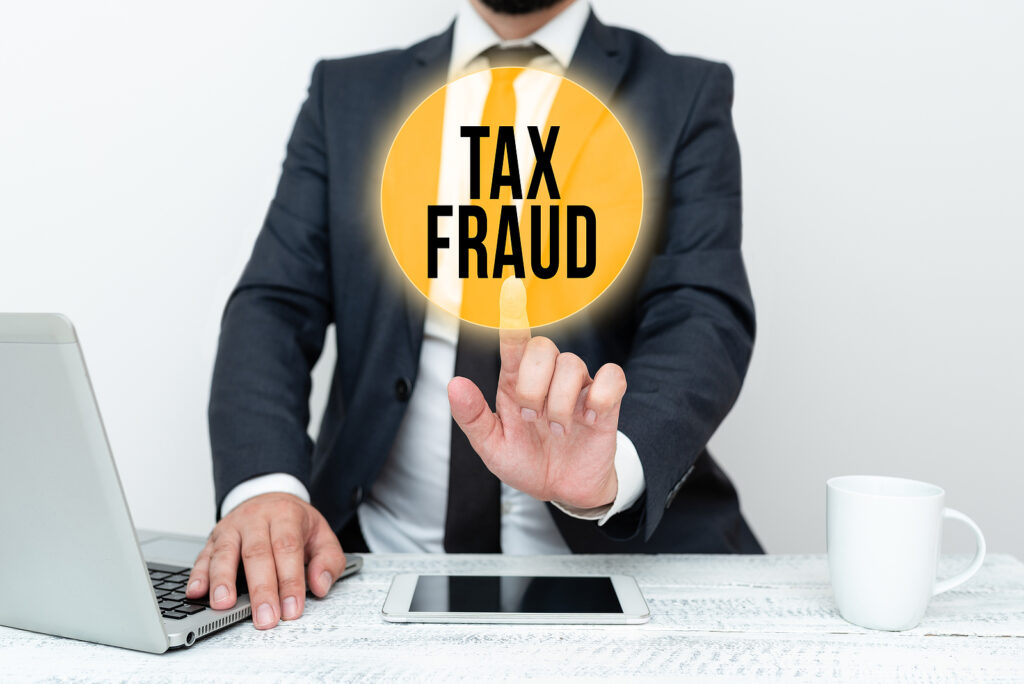
Tax fraud is also known as tax evasion. A person can be indicted and charged with tax evasion if they intentionally or knowingly neglect to file their taxes, pay their taxes in full, or provide dishonest data (or omit required data) on their returns for the purpose of evading payment. In order to be convicted of tax evasion, the IRS must prove that you deliberately and knowingly demonstrated one of these fore-mentioned acts.

Most Common Types of Tax Fraud Crimes:

▷ Under Reporting Income
▷ Falsifying Tax Return Data (inflating business expenses, overstating size of household, etc.)
▷ Underpaying Taxes
▷Not Paying Taxes
▷ Deceiving the Department of Revenue (DOR)
▷ Misrepresenting Economic Circumstances

Indiana Tax Fraud Penalties Upon Conviction:

Those who are convicted of Indiana tax fraud will be sentenced depending on the severity of their crimes. Penalties range from jail and prison time to fines, restitution, loss of certain freedoms, and more. Most Indiana tax fraud convictions are sentenced as Class A misdemeanors or Level 6 felonies.

Level 6 Felony = Six Months to 2 ½ Years in County Jail – Fines up to $10,000

Class A Misdemeanor = Up to 12 Months in County Jail – Fines up to $5,000

Tax Errors Do Not Make You a Criminal

If you mistakenly underpaid your taxes, provided incorrect information on your return, or forgot to file your tax return altogether, you are not committing a crime of fraud. In such cases, you would simply need to contact the proper IRS authorities and notify them of your mistake. From there, they will give you the instructions you need to follow to correct your error. You will likely have to pay a small penalty fee, generally $100 to $300.

Are you looking for qualified criminal defense that can reduce or dismiss your white collar crime or fraud charges in Indiana? Contact the Law Office of David E. Lewis at 317-636-7514 to schedule a meeting with an Indianapolis fraud crime lawyer you can trust. We represent all white collar crime cases in Indiana.

Related Posts:

Can I Get Arrested For Not Paying My Taxes?
Information About Felony Tax Evasion Crimes and Convictions
Frequently Asked Questions About White Collar Crimes
Top 4 Ways to Avoid Bankruptcy Fraud

Can Traffic Violations Be Used Against Me in Criminal Court?

After being arrested and charged with a crime in Indiana, it is common to be filled with all sorts of questions. Oftentimes, defendants begin thinking about their legal history. Many criminal defendants question if previous traffic violations and driving-related offenses will affect the outcome of their current criminal case. Fortunately, there is a pretty clear cut answer to this common inquiry.

Continue reading to learn when past traffic violations might be used against a criminal defendant during their trial, plus how to avoid the maximum penalties for your criminal charges.

Criminal Attorney Indianapolis Indiana 317-636-7514

The Difference Between Civil Court and Criminal Court

When it comes to understanding how previous traffic offenses and violations might be used against a defendant in criminal court, it is important to understand the difference between civil and criminal laws and court systems.

Civil law is the area of the American legal system that manages disputes or wrong-doings between private parties. Accordingly, civil court, also known as small claims court, deals mostly with civil cases disputing small amounts of money. Cases typically adjudicate claims regarding property damage, family law, divorce, property disputes, breach of contracts, landlord cases, wrongful terminations, personal injuries, and similar legal matters.

There are two primary types of criminal courts in the United States, state court and federal court. State courts are established by the state and may include local courts as well. Local courts are usually established by individual cities, counties, townships, or other types of common municipalities. They adjudicate cases that involve crimes that break laws set and enforced by the state (also known as state laws). In contrast, federal courts are established under the United States Constitution, and adjudicate cases that involve crimes that break laws passed by Congress.

Will Your Traffic and Driving History Have an Impact?

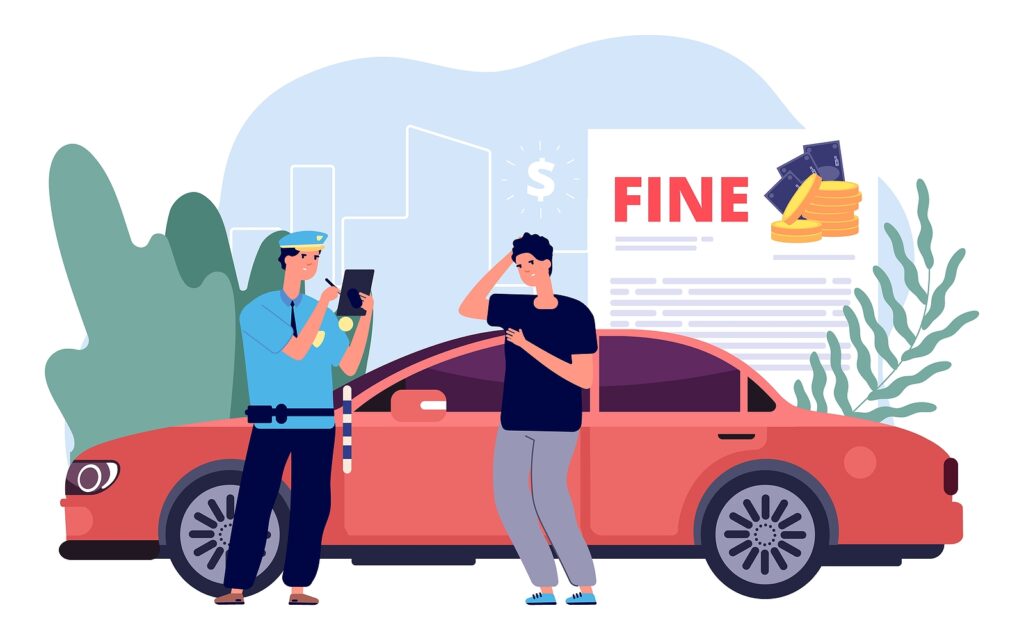
When it comes to traffic violations and offenses, the majority of them will fall under civil law, and therefore be dealt with in civil court. In most cases, traffic violations are dealt with at the county clerk’s office, courthouse, or the local BMV. Most of the time, violators simply need to mail in paperwork or fines to remedy any offenses. If you are somebody who has traffic violations on the record, it is not likely that they will be used for making any legal determinations during your criminal trial or sentencing.

When a Civil Case Can Become a Criminal Case

there are some traffic violations and offenses that can lead to criminal charges. In most cases, this includes offenses like, inebriated driving, drunk driving, pedestrian hit and runs, cyclist hit and runs, and causing a car accident as a result of punitive reckless driving. Not only can an offender face civil fines and penalties, but they can also be arrested and criminally charged for a DUI, leaving the scene of an accident, and more.

Are you worried about your pending criminal charges in Indiana? Contact Attorney David E. Lewis at 317-636-7514 to schedule a free initial consultation with a seasoned Indianapolis IN criminal defense lawyer you can trust. We also represent defendants charged in Indiana but who live in another state.

Related Posts:

FAQS About DUI Checkpoints
Can a DUI Charge Affect My Right to Child Custody?
Examples of Federal Laws That Conflict With State Laws

Are Federal Courts Different From State Courts?

Here in the United States of America, we have two separate types of court systems: state and federal. These two court systems are different in many ways; ways that might be important for you to know if you are currently facing misdemeanor or felony charges. Continue reading to learn how Federal court differs from state court, plus what you need to do if you are preparing to go to trial for your Indiana criminal charges.

Federal Crime Lawyers Indianapolis Indiana 317-636-7514

Federal Court Versus State Court

Federal court and state court are established quite differently. State and local court systems are established by the state. This may include cities, townships, counties, and municipalities. Federal courts were, and continue to be, established under the United States Constitution. They deal with laws that are passed by Congress and debates related to the Constitution.

Court Jurisdiction

State and federal court do not hear the same types of cases; more specifically, they are limited to which kinds of cases they are authorized to adjudicate. State courts are authorized to hear virtually all cases, except those that pertain to crimes against the United States and cases that involve certain Federal laws, such as felony offenses, Bankruptcy, immigration, copyrighting, and maritime law. These kinds of cases are heard in Federal court. Common cases heard by state and local courts include misdemeanor crimes, traffic violations, civil disputes, and similar lower-level legal matters.

Although state and Federal courts hear different types of cases, there are some cases in which both are authorized to hear. In such cases, the party has the discretion of choosing which court they wish to pursue their legal matters in.

Facing Criminal Charges?

If you are facing misdemeanor criminal charges, you are going to be tried in a local court under state law. Examples of common misdemeanor offenses adjudicated in the local court system include traffic violations, drug possession, public intoxication, drunk driving, and shoplifting. If you are facing felony charges, you will likely be tried in Federal court under Federal law. Examples of federal-level offenses include white collar crimes, trafficking, sex crimes, violent crimes, kidnapping, homicide, and terrorism.

Are you looking for a skilled criminal defense lawyer who can fight your Indiana or Federal criminal charges? Contact the Law Office of David E. Lewis at 317-636-7514 to schedule a meeting with our experienced Indianapolis criminal defense law firm. We can hold meetings over the phone or in person at our Indy-based office.

Related Posts:

FAQS About What Might Happen in Criminal Court
Will My Kid Be Tried in Adult Criminal Court?
What You Need to Know About Hiring a Criminal Attorney