Are Breathalyzers Reliable at Proving Intoxication?

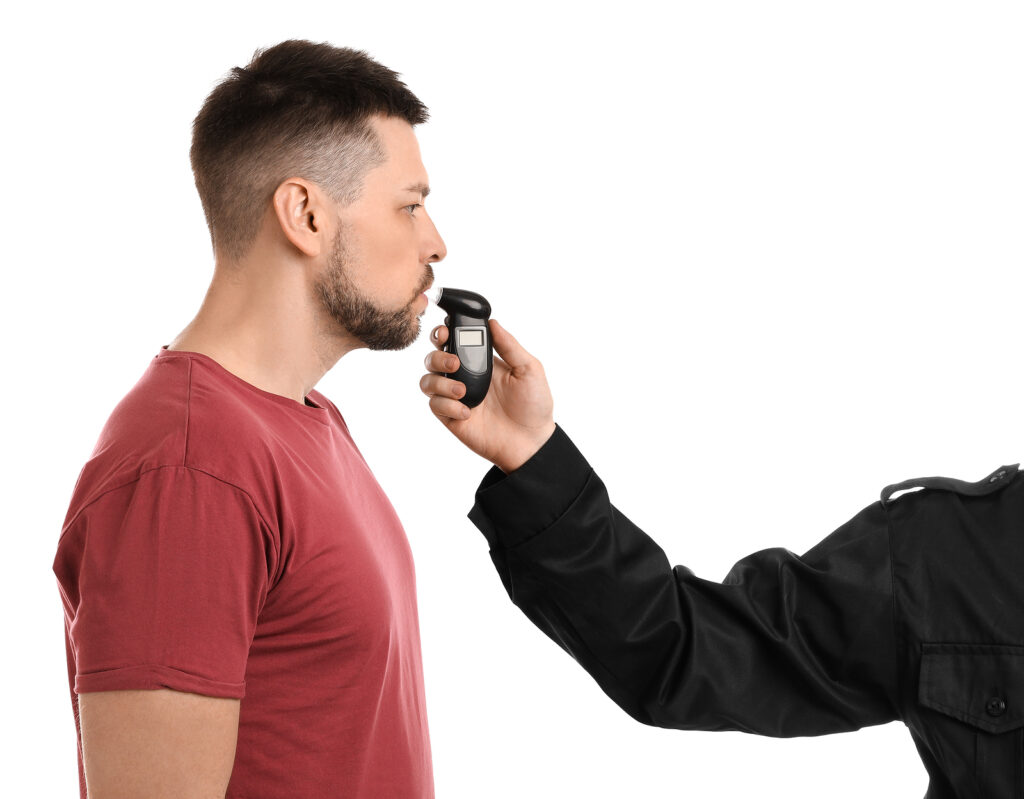
Breath testing has been the most common method of investigating and confirming a person’s blood alcohol concentration (BAC). Law enforcement and similar authorities typically use handheld electronic devices known as breathalyzers to test an individual’s breath and obtain a BAC reading. But are these breath testing devices actually reliable? Are they accurate? Do they really prove intoxication?

Continue reading to learn more about breath testing and breathalyzers, including what to do if you believe you have been wrongly arrested after failing a breathalyzer test in Indiana.

DUI Defense Lawyer Indianapolis Indiana 317-636-7514

Breathalyzer Testing

Breathalyzers are science-based electronic devices that are designed to read and compute blood alcohol levels based on breath. There are different types of breathalyzers. Some are designed with fuel cells that generate an electric current, while others use infrared light or chemical reactions.

The average person has no idea how these scientific electronic devices work, so many people tend to blindly trust whatever reveals. But like all manufactured commodities, especially electronic ones, design flaws and happen. In such a case, breathalyzers might incorrectly or inaccurately process the blood alcohol concentration in a person’s breath.

Breathalyzer Test Reliability

So, how reliable are these breathalyzers? Possibly not so much, at least not all the time. According to a post in the New York Times, thousands of people have been arrested based on flawed breath testing results over the years, and courts across the country have thrown out more than 50,000 tests.

As most fragile computer-based electronic devices go, breathalyzers require routine maintenance and care, including precise calibration. Not only must these devices be set up properly, but they must also be used correctly and by a certified operator. And the unfortunate truth is that the standards for proper breathalyzer usage and maintenance are not highly regulated.

Most law enforcement agencies are not monitored on how well they take care of or calibrate their BAC-measuring machines, how well they train their staff to use them, and how well they store their data. With all of these factors at play, there are many variables that can cause breathalyzers to compute inaccurately, and therefore, give unreliable BAC test results.

Get Yourself a Lawyer After Failing a Breath Test

Unfortunately, most law enforcement officials will take whatever reading the breathalyzer gives them and use it as just cause to arrest a person for public intoxication or drunk driving. For this reason, it is important to obtain professional and private criminal defense legal representation to fight your criminal charges. Good criminal defense attorneys have the resources, knowledge, and skills to reduce your charges or dismissed them entirely based on an unjust arrest.

Are you ready to preserve your freedom by getting started on your defense now? Contact Attorney David E. Lewis at 317-636-7514 for the best chance at reducing or dismissing your public intoxication or DUI charges in Indianapolis, Indiana. We represent clients all throughout the state of Indiana.

Related Posts:

DUI Criminal Records vs. Driving Records
Use These 3 Tips to Avoid Being Pulled Over By a Cop
FAQS About DUI Checkpoints

Facts About Aggravating Factors in a Criminal Case

Facing criminal charges is a confusing matter to experience. When aggravated factors are involved, it can be more challenging for a defendant to understand what’s at stake in terms of their rights and future freedoms. If you are concerned about defending aggravating factors in a criminal case, continue below to learn the right facts you need to know.

Indiana Criminal Defense Representation 317-636-7514

Aggravating Factors Make Criminal Charges Worse

Have you ever heard the phrases, “the straw that broke the camel’s back” or “the icing on the cake” before? Aggravating factors are certain details about a criminal act that make the crime more serious and the penalties much harsher. For instance, if a person is caught selling drugs out of their home, they would face certain charges and penalties. However, if that person is caught selling drugs near or on school grounds, they would face even higher charges and penalties since being at or within 500 feet of a school is an aggravating factor to the crime.

Common Types of Aggravating Factors

There are many types of aggravating factors, and a person can face multiple ones in their criminal case. Aggravating factors can enhance a criminal charge by many levels. They can bump a Class A misdemeanor to Level 6 Felony, or even a Level 5 felony. They can also bump low level misdemeanors to higher level misdemeanors. For instance, if a person with no prior criminal record gets busted for a DUI, they would face lighter charges and penalties compared to a person with no prior criminal record who gets busted for a DUI but also causes a car accident that results in bodily harm to a passenger or a driver.

Examples of Aggravating Factors:

Assault on a police officer or firefighter
Crimes involving minors
Crimes committed on or nearby schools or government buildings
Use of a deadly weapon
Causing bodily harm
Egregious recklessness or disregard
Battery causing death

Mitigating Factors Versus Aggravating Factors

Aggravating factors are opposite of mitigating factors, which are factors that can lessen the severity of a crime. For instance, if a person is caught in possession of a non-prescribed prescription narcotic, such as opioids or barbiturates, they would face a particular set of charges and penalties. However, if that person has no prior criminal record and is a good standing citizen within the community, such characteristics could be deemed as mitigating factors in their case, and therefore lessen their charge and penalties.

Are you currently facing criminal charges with aggravating factors in Indiana? Contact Attorney David E. Lewis at 317-636-7514 to speak with a skilled and aggressive criminal defense lawyer in Indianapolis, Indiana. Act fast so that you may avoid the maximum penalties for your probation violation.

Related Posts:

Does Your Indiana Criminal Defense Case Involve Aggravating Factors?
Will I Go to Jail if My Case Has Aggravating Factors?
What to Do if You are Facing Felony Assault Charges in Indiana

Do I Need to Hire a Lawyer for an Arrest Warrant?

Arrest warrants are not as confusing as they may seem at first. Once you start exploring your options for turning yourself in to authorities, you will feel better about the process. After all, knowing what to expect is a great strategy for decreasing anxiety about any kind of pressing legal matter. Regardless of how straightforward arrest warrants tend to be, you may still have some questions. One of the most common questions about arrest warrants has to do with hiring a lawyer.

Continue reading to learn about hiring a criminal defense lawyer for assistance with an arrest warrant in Indiana, plus which law firm to trust for a fast and secure surrender.

Arrest Warrant Lawyers Indianapolis Indiana 317-636-7514
Arrest Warrant Lawyer Indianapolis Indiana 317-636-7514

How to Check for Arrest Warrants

There are many ways to discover an arrest warrant for your own arrest. The worst way is to be stopped by police, which commonly happens during routine traffic stops, DUI checkpoints, and similar police encounters. In these scenarios, the police immediate arrest and detain the suspect and bring them into jail. There is no time to make any phone calls, park your car, pay your tab, or anything else for that matter. You are simply arrested on the spot.

Another way arrest warrants are brought to one’s attention is by in-person police execution. This means that a uniformed officer will show up at a person’s place of residence or employment execute a warrant. They can also show up at your kid’s school, gym, and any other place you are known to be.

Sometimes, defendants are notified by conducting a warrant search on themselves. If you suspect that you have an active or outstanding warrant out for your arrest, verify this gut feeling with a certified arrest warrant lookup service. These are free and available online via several different government websites and portals.

Hiring a Lawyer for an Arrest Warrant

The best way, and it is the best because it is the most secure and can eliminate the need to turn yourself in altogether, is to hire an Indianapolis criminal defense lawyer to represent your charges. Your criminal defense lawyer can confirm if you indeed have an open warrant issued for your arrest, and quite possibly, have the warrant recalled. This would mean that you would not longer be wanted nor surrender to the jail.

A criminal defense attorney can file a motion with the court to have your arrest warrant recalled or for a combined bond review and warrant surrender. Otherwise, you would just turn yourself in and bail yourself right out.

Are you currently facing an arrest warrant in Indiana? Contact the Law Office of David E. Lewis at 317-636-7514 for skilled and friendly criminal defense in Indianapolis, Indiana. We represent adults and juveniles in all criminal cases.

Related Posts:

Do I Call a Bail Bondsman or a Lawyer First?
Do I Have to Let Police in My House if They Show Up With a Search Warrant?
The Best Advice on Managing an Arrest Warrant
The Difference Between Arrest Warrants and Bench Warrants

What You Need to Know About Indiana Tax Fraud

If you are a small business owner who is preparing to file your company’s tax return, you have until tomorrow to do so. If you are an individual filing your personal tax returns, you have until Monday, April 18th. Either way, it is important to protect yourself against tax errors because you do not want to mistakenly be charged with tax fraud.

Continue reading to learn what you need to know about Indiana tax fraud before Tax Day is upon us this year, plus who to trust for aggressive legal defense if ultimately indicted on any type of white-collar criminal charge.

Tax Fraud Lawyer Indianapolis Indiana 317-636-7514

Important Tax Fraud Facts

Tax fraud is also known as tax evasion. A person can be indicted and charged with tax evasion if they intentionally or knowingly neglect to file their taxes, pay their taxes in full, or provide dishonest data (or omit required data) on their returns for the purpose of evading payment. In order to be convicted of tax evasion, the IRS must prove that you deliberately and knowingly demonstrated one of these fore-mentioned acts.

Most Common Types of Tax Fraud Crimes:

▷ Under Reporting Income
▷ Falsifying Tax Return Data (inflating business expenses, overstating size of household, etc.)
▷ Underpaying Taxes
▷Not Paying Taxes
▷ Deceiving the Department of Revenue (DOR)
▷ Misrepresenting Economic Circumstances

Indiana Tax Fraud Penalties Upon Conviction:

Those who are convicted of Indiana tax fraud will be sentenced depending on the severity of their crimes. Penalties range from jail and prison time to fines, restitution, loss of certain freedoms, and more. Most Indiana tax fraud convictions are sentenced as Class A misdemeanors or Level 6 felonies.

Level 6 Felony = Six Months to 2 ½ Years in County Jail – Fines up to $10,000

Class A Misdemeanor = Up to 12 Months in County Jail – Fines up to $5,000

Tax Errors Do Not Make You a Criminal

If you mistakenly underpaid your taxes, provided incorrect information on your return, or forgot to file your tax return altogether, you are not committing a crime of fraud. In such cases, you would simply need to contact the proper IRS authorities and notify them of your mistake. From there, they will give you the instructions you need to follow to correct your error. You will likely have to pay a small penalty fee, generally $100 to $300.

Are you looking for qualified criminal defense that can reduce or dismiss your white collar crime or fraud charges in Indiana? Contact the Law Office of David E. Lewis at 317-636-7514 to schedule a meeting with an Indianapolis fraud crime lawyer you can trust. We represent all white collar crime cases in Indiana.

Related Posts:

Can I Get Arrested For Not Paying My Taxes?
Information About Felony Tax Evasion Crimes and Convictions
Frequently Asked Questions About White Collar Crimes
Top 4 Ways to Avoid Bankruptcy Fraud

Can Traffic Violations Be Used Against Me in Criminal Court?

After being arrested and charged with a crime in Indiana, it is common to be filled with all sorts of questions. Oftentimes, defendants begin thinking about their legal history. Many criminal defendants question if previous traffic violations and driving-related offenses will affect the outcome of their current criminal case. Fortunately, there is a pretty clear cut answer to this common inquiry.

Continue reading to learn when past traffic violations might be used against a criminal defendant during their trial, plus how to avoid the maximum penalties for your criminal charges.

Criminal Attorney Indianapolis Indiana 317-636-7514

The Difference Between Civil Court and Criminal Court

When it comes to understanding how previous traffic offenses and violations might be used against a defendant in criminal court, it is important to understand the difference between civil and criminal laws and court systems.

Civil law is the area of the American legal system that manages disputes or wrong-doings between private parties. Accordingly, civil court, also known as small claims court, deals mostly with civil cases disputing small amounts of money. Cases typically adjudicate claims regarding property damage, family law, divorce, property disputes, breach of contracts, landlord cases, wrongful terminations, personal injuries, and similar legal matters.

There are two primary types of criminal courts in the United States, state court and federal court. State courts are established by the state and may include local courts as well. Local courts are usually established by individual cities, counties, townships, or other types of common municipalities. They adjudicate cases that involve crimes that break laws set and enforced by the state (also known as state laws). In contrast, federal courts are established under the United States Constitution, and adjudicate cases that involve crimes that break laws passed by Congress.

Will Your Traffic and Driving History Have an Impact?

When it comes to traffic violations and offenses, the majority of them will fall under civil law, and therefore be dealt with in civil court. In most cases, traffic violations are dealt with at the county clerk’s office, courthouse, or the local BMV. Most of the time, violators simply need to mail in paperwork or fines to remedy any offenses. If you are somebody who has traffic violations on the record, it is not likely that they will be used for making any legal determinations during your criminal trial or sentencing.

When a Civil Case Can Become a Criminal Case

there are some traffic violations and offenses that can lead to criminal charges. In most cases, this includes offenses like, inebriated driving, drunk driving, pedestrian hit and runs, cyclist hit and runs, and causing a car accident as a result of punitive reckless driving. Not only can an offender face civil fines and penalties, but they can also be arrested and criminally charged for a DUI, leaving the scene of an accident, and more.

Are you worried about your pending criminal charges in Indiana? Contact Attorney David E. Lewis at 317-636-7514 to schedule a free initial consultation with a seasoned Indianapolis IN criminal defense lawyer you can trust. We also represent defendants charged in Indiana but who live in another state.

Related Posts:

FAQS About DUI Checkpoints
Can a DUI Charge Affect My Right to Child Custody?
Examples of Federal Laws That Conflict With State Laws

Are Federal Courts Different From State Courts?

Here in the United States of America, we have two separate types of court systems: state and federal. These two court systems are different in many ways; ways that might be important for you to know if you are currently facing misdemeanor or felony charges. Continue reading to learn how Federal court differs from state court, plus what you need to do if you are preparing to go to trial for your Indiana criminal charges.

Federal Crime Lawyers Indianapolis Indiana 317-636-7514

Federal Court Versus State Court

Federal court and state court are established quite differently. State and local court systems are established by the state. This may include cities, townships, counties, and municipalities. Federal courts were, and continue to be, established under the United States Constitution. They deal with laws that are passed by Congress and debates related to the Constitution.

Court Jurisdiction

State and federal court do not hear the same types of cases; more specifically, they are limited to which kinds of cases they are authorized to adjudicate. State courts are authorized to hear virtually all cases, except those that pertain to crimes against the United States and cases that involve certain Federal laws, such as felony offenses, Bankruptcy, immigration, copyrighting, and maritime law. These kinds of cases are heard in Federal court. Common cases heard by state and local courts include misdemeanor crimes, traffic violations, civil disputes, and similar lower-level legal matters.

Although state and Federal courts hear different types of cases, there are some cases in which both are authorized to hear. In such cases, the party has the discretion of choosing which court they wish to pursue their legal matters in.

Facing Criminal Charges?

If you are facing misdemeanor criminal charges, you are going to be tried in a local court under state law. Examples of common misdemeanor offenses adjudicated in the local court system include traffic violations, drug possession, public intoxication, drunk driving, and shoplifting. If you are facing felony charges, you will likely be tried in Federal court under Federal law. Examples of federal-level offenses include white collar crimes, trafficking, sex crimes, violent crimes, kidnapping, homicide, and terrorism.

Are you looking for a skilled criminal defense lawyer who can fight your Indiana or Federal criminal charges? Contact the Law Office of David E. Lewis at 317-636-7514 to schedule a meeting with our experienced Indianapolis criminal defense law firm. We can hold meetings over the phone or in person at our Indy-based office.

Related Posts:

FAQS About What Might Happen in Criminal Court
Will My Kid Be Tried in Adult Criminal Court?
What You Need to Know About Hiring a Criminal Attorney

Do I Have to Let Police in My House if They Show Up With a Search Warrant?

Law enforcement can certainly be intimidating. Even if you are compelled to oblige by all their commands and requests, do you legally have to? This is a common conundrum for those who are faced with a search warrant at home. Are you required under law to let the police inside your house if they have a search warrant? What might happen if you refuse? Do you have the right to refuse and later appeal a search warrant in court?

Continue reading to learn what you should do if the cops show up at your place of residence with a valid search warrant signed by a judge or magistrate.

Arrest Warrant Lawyers Indianapolis Indiana 317-636-7514

Search Warrant Facts

In order to get a search warrant, police must submit an affidavit to a judge explaining in great detail the property to be searched, what they are looking for within the property, which property they intend to seize, which type of crime is related to the location of the search, and more. Upon approval of probable cause, a judge will sign a search warrant, which is a court order giving law enforcement authority to explore whatever property stated within the warrant decree.

Any property or areas of the home that are not specifically listed in the search warrant cannot be legally searched by police. However, there is an exception to this rule. It is known as the plain view doctrine. Basically, if something illegal is in plain sight during the process of executing a search warrant, police can further investigate that area under reasonable suspicion.

Police may have a court order to search vehicles, homes, computers, cell phones, storage units, sheds, barns, greenhouses, safes, and more. Once approved and signed by a judge, police have ten days to execute a search warrant, and they can choose to execute a search warrant any time of day or night, including times they know the property will be vacant or unsupervised.

You see, one important fact you need to know about search warrants is that most of them give police permission to search the property without the owner’s permission. Some will have a “knock and announce” rule, but most judges eliminate this rule these days. Even with the rule, there are exceptions.

So, what does all this mean for you if police show up to your home with a search warrant signed by judge? It means that you must comply or else face additional legal consequences.

Consequences of Obstructing a Search Warrant

There are serious consequences that come with obstructing a search warrant. Most often, those who refuse to allow police to come inside their home or behave in a way that is disruptive to the execution of a search warrant, can be arrested for criminal offenses like disorderly conduct, obstruction of due process, contempt of court, and much more.

If this has happened to you recently, or if you are dealing with any type of arrest or bench warrant, it is important to retain a licensed Indiana criminal defense attorney who can fight your charges and help you avoid the maximum penalties you are facing.

Are you facing criminal charges or an arrest warrant? Contact Attorney David E. Lewis at 317-636-7514 to speak with a seasoned criminal defense lawyer in Indianapolis, Indiana. Our legal team can help you obtain the best possible outcome to your criminal matters!

Related Posts:

What to Do if You Just Found Out About Your Arrest Warrant
The Difference Between Arrest Warrants and Bench Warrants
The 3 Elements of a Valid Search Warrant

How Indiana’s Good Time Credit Can Help You Get Out of Jail Faster

If you have just been convicted of a crime that is punishable by jail time, you should be interested in all the ways you can significantly reduce your stay in jail. Continue below to learn how Indiana’s Good Time Credit program can help inmates get out of jail faster, plus who can assist you with an imprisonment plan that can ensure you are not kept in jail a day longer than you have to.

Indiana Criminal Defense Law Firm 317-636-7514

Indiana’s Good Time Credit

Just because your criminal conviction hands down a prison or jail sentence does not mean that you are stuck with it. It is possible to reduce your jail sentence through something known as Good Time Credit.  Indiana’s Good Time Credit program is a valuable incentive for inmates to cooperate and exhibit responsible, productive behavior while in jail.

Why is this program an incentive to anyone in jail? Because if inmates are approved upon good behavior, they can be granted a lesser or shorter jail sentence. For instance, someone sentenced to a year in jail may only serve 6 or 7 months with good time credit. Sound too good to be true? You might be asking, “what’s the catch?” Well, not everyone qualifies for Indiana’s Good Time Credit program.

How to Qualify for Time Served Credit

Indiana’s Good Time Credit is decreed under Indiana Code 35-50-6, which basically describes under which conditions an inmate can earn days of good credit, and ultimately, an early release from jail or prison. The amount of good time credit an inmate can accrue will depend on their level of criminal charge (Misdemeanor or Felony) and the specific details of their sentence.

Those who are most likely to qualify are inmates convicted of misdemeanors or low level felonies and give an executed sentence. An executed sentence is one in which an inmate is ordered to serve both jail and prison time, or also house arrest and work release programs.

Earning good time credit in jail works by following all the rules and cooperating with jail staff and court orders. Basically, if an inmate is polite, cooperative, responsible, and productive within the realm of their assigned jail duties or educational classes, they can earn a day of good credit for every number of days they demonstrate this good behavior.

Inmates must refrain from any disciplinary actions or infractions during their time in jail in order to qualify. In addition to good behavior and productivity, inmates may be ordered to complete rehabilitation classes for substance abuse. So long as they work the program as ordered, they can earn good time credit.

If an inmate is cited for bad behavior or disciplined for an infraction, any good time credit earned can be deducted. As mentioned before, Indiana’s Good Time Credit is an effective incentive for inmates to behave in order to get out of jail faster.

What to Expect After Being Released From Jail Early

After an inmate is released from jail after earning Good Time Credit, they are not entirely free from the court’s custody. An inmate sentence will continue under the terms of probation or parole. During this time, an inmate will continue to be subjected to regular checkups by their assigned probation or parole officer, drug screenings, alcohol testing, random searches, mandatory job placement and supervision, curfew requirements, license suspensions, loss of firearm rights, and possible home detention.

Are you looking for criminal defense attorney who can help you understand your rights to getting out of jail faster after being convicted of a crime in Indiana? Contact Attorney David E. Lewis at 317-636-7514 to speak with a seasoned criminal defense lawyer in Indianapolis, Indiana. Our legal team can help you obtain the best possible outcome to your criminal matters!

Related Posts:

How to Request Early Termination of Probation in Indiana
How to Reduce Your Criminal Charges
What Happens if I Violate My Probation in Indiana?

Criminal Attorney David E Lewis Indianapolis Indiana 317-636-7514

How to Move Forward From a Criminal Past With Expungement

Are you being held back from a happier or more successful life because of your past criminal records? Indiana’s Second Chance Law may be able to help you move forward from your criminal past and regain control over your future. Continue below to learn what you need to know about Indiana’s criminal expungement and record sealing laws, including how to learn your eligibility.

Indiana Criminal Record Expungement Law Firm 317-636-7514

Restore Your Civil Rights and Brighten Your Future

The new Indiana Second Chance laws are very accommodating to past offenders and those who have been wrongful arrested or falsely accused. If you are being held back from a better job, better housing, better relationships, or even gun privileges, it is in your best interest to learn more about criminal record expungement.

If you qualify, you could have your criminal record sealed and hidden from public view; this includes current and potential employers, banks, college admissions offices, professional licensing offices, and even potential romantic interests! Just think of all the opportunities that will open up for you if you could only seal or hide your criminal past.

Qualifying for Expungement

Unfortunately, not everyone will qualify to have their records expunged.  There are several stipulations, restrictions, and prerequisites that mandate whether or not a person can even qualify to expunge their criminal records. In order to qualify for expungement, your petition must demonstrate certain criteria.

Along with prerequisites and stipulations, there are also restrictions. For example, a person may only file a petition to have their criminal histories expunged one time and one time only. If they make one filing error or mistake, they lose their chance to expunge their criminal records.

With so many variables and risks at play, determining your eligibility for criminal expungement in Indiana can be a complex process. To find out if you qualify to have your past arrest records, misdemeanors, or felonies restricted from your personal record, you must consult with a licensed criminal defense lawyer in Indiana. Be sure to choose an attorney who is well-versed in the Indiana expungement and record sealing laws.

Are you ready to petition for criminal record expungement or record sealing this year? Contact Attorney David E. Lewis at 317-636-7514 to schedule a free case evaluation with a licensed criminal record expungement lawyer in Indianapolis, Indiana.

Related Posts:

Who Can Access Expunged Criminal Records?
Should I Hire a Lawyer to Expunge My Criminal Records?
Do Misdemeanors Show Up on a Background Check?

Criminal Attorney David E Lewis Indianapolis Indiana 317-636-7514

Is Prank Calling a Crime in Indiana?

We’ve all been there at some point in our childhood. Prank calling is almost an expected milestone of growing up. But can it come with some unexpected consequences? Continue reading to learn how prank calling can go from an innocent and playful trick to an actual Indiana crime.

Harassment Charges Lawyer Indianapolis Indiana 317-636-7514

Harassment Laws in Indiana

Although prank calling is a common practical joke, it can be taken too far. In such cases, criminal charges can be filed against the caller in Indiana. Harassment is the most common and likely criminal charge that can arise from a prank calling situation. However, there are some other criminal charges that a person can face, such as disorderly conduct, hate crime, and even wiretapping. Criminal charges and subsequent penalties for prank calling will vary among jurisdictions.

Harassment

One can be charged and convicted of harassment as a result of prank calling activity if their calls are late at night, incessant, derogatory, aggressive, sexual in nature, or threatening. The scale on which the law categorizes and penalizes prank call harassment will vary from county to county.

Disorderly Conduct

If a person disrupts the peace of the community or behaves in a way that is alarming or threatening to others, they can be arrested and charged with disorderly conduct. Most disorderly conduct charges stem from drunk or drugged situations, but prank calling in a way that causes fear, anxiety, and/or discomfort can lead to such legal consequences.

Hate Crime

In the case that prank calling activity involves derogatory remarks, sounds, and impressions pertaining to race, nationality, ethnicity, religion, gender, sexual orientation, or disability, a caller could face hate crime criminal charges. These are serious criminal charges that often come with severe penalties, like heavy fines and jail time.

Wiretapping

Wiretapping criminal charges are on more of a white-collar crime level. If prank calling involves recording the conversation without the mark’s knowledge, and therefore, consent, the caller could be charged with wiretapping. Wiretapping is a felony, which renders heavy fines, community service, and jail time.

Did some prank calling get you or your kids in trouble with the law recently? Contact Attorney David E. Lewis at 317-636-7514 to speak with a seasoned criminal defense lawyer in Indianapolis, Indiana. Our legal team can help you obtain the best possible outcome to your criminal matters!

Related Posts:

Can I Be Arrested for Intimidating Someone?
Were You Accused of a Crime You Didn’t Commit?
Possible Court-Ordered Penalties for Felonies and Misdemeanors in Indiana

Criminal Attorney David E Lewis Indianapolis Indiana 317-636-7514