What Will Happen if I Get Caught With a Fake ID?

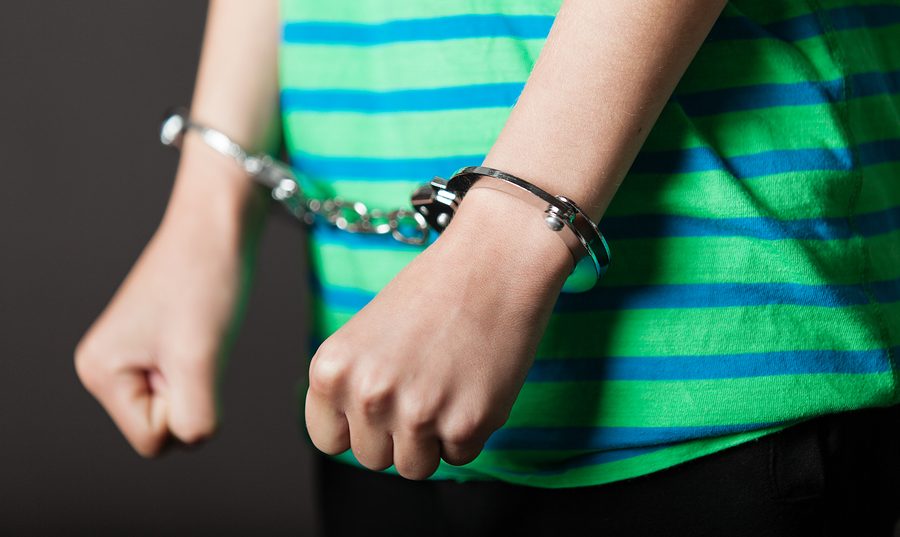
Fake identification cards, like drivers’ licenses and state I.D.’s, are a common ploy among minors, especially around college campuses. Although stigmatized as an age-old right of passage for late teens transitioning into life on their own, or just a silly, harmless thing that college students do, the truth is that getting caught with a fake I.D. can land a person in a lot of trouble; more trouble than they think.

Continue reading to learn the typical penalties and ensuing consequences for getting caught with a fake I.D. in Indiana, as well as who to trust for aggressive criminal defense if you are arrested on related charges.
Fake ID Lawyer Indianapolis Indiana 317-636-7514

Fake I.D. Crimes in Indiana

Many kids do not realize the long-term consequences of being caught with a fake drivers’ license or state identification card. They assume that any criminal activity that takes place in their life before the age of 21 doesn’t matter and will not have an impact on their future. But this is wrong. Those with a fake I.D. charge or conviction on their criminal record will be judged by both the government and future employers.

Not only does the crime of using a fake I.D. imply dishonesty, sneakiness, and lack of morals, but it also implies that a person has poor decision making skills and perhaps even impulse control issues. Employers will take one look at a criminal background check of a person who has been convicted of such an offense and immediately move onto the next candidate.

This can happen to a person their whole life when searching for employment; permanent records remain with you forever. A person convicted of such offenses can also forget about jobs in finance, technology, engineering, or related high-security fields.

Consequences for Using a Fake ID

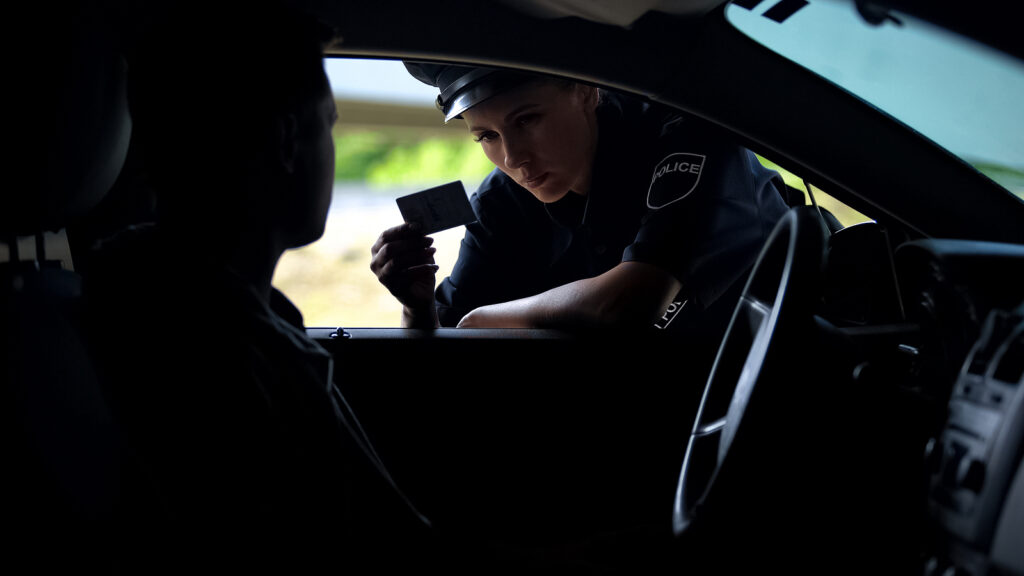
The first and foremost consequence of using a fake I.D. in Indiana is arrest. Law enforcement can search you for reasons of their own, and if they find your fake, they will arrest you on the spot for Possession of False Identity (IC 7.1-5-7-3), False Statements of Age (IC 7.1-5-7-1), Furnishing False Evidence of Identification (IC 7.1-5-7-2), or Counterfeit Government Issued Identification (35-43-5-2.5), or a combination of these charges.

If you are caught by a bouncer or bartender, most likely they will just keep your fake or cut it up in front of you, and then let you go home; however, some will immediately notify a cop or security staff, who will then detain you and have you formally arrested. Excise police regularly conduct fake ID stings, generally targeting college students and campus areas.

If the judge and prosecutor believe there is enough evidence to charge you with Possession of False Identity, you will be formally charged, and a court hearing will be set for you. Possible consequences upon being convicted can range in severity depending on your criminal history.

Indiana Fake I.D. Penalties Upon Conviction:

Class C Misdemeanor
► Up to 60 Days in County Jail
► Up to $500 in Fines
► 1 Year Suspended Drivers’ License
► Permanent Marks on Driving Record

College students can also expect a notice of disciplinary action from their university, separate from their state or federal penalties.

Are you looking for a qualified crime attorney who can protect you against the maximum penalties for your fake ID charges in Indiana? Contact Attorney David E. Lewis at 317-636-7514 to speak with a skilled and aggressive criminal defense lawyer in Indianapolis, Indiana. We can also help you seal or expunge your arrest records!

Related Posts:

A Fake ID Charge is More Serious Than You Think
Can College Students Face Academic Consequences for DUI Charges?
Important Laws That Pertain to Parents of Teenagers
Indianapolis Criminal Defense 317-636-7514
Schedule a Free Consultation Today!

Will My Kid Be Tried in Adult Criminal Court?

Although your teenager is still juvenile under the eyes of the law, they may not be tried as one if they are charged with a crime. Sometimes, juveniles end up in adult criminal court, where penalties are more severe and longer-lasting. If your kid has just been arrested and charged with a criminal offense in Indiana, you may wonder if they will be tried as an adult or a juvenile.

Continue reading to learn the top three ways a juvenile is tried in adult court and how to protect your child from receiving the maximum penalties for their Indiana criminal charges.

Juvenile Criminal Defense Indianapolis Indiana 317-636-7514

Juveniles 16 Year of Age or Older May Be Tried as an Adult

Although a juvenile is a minor under 18 years old according to both Federal and state laws, in criminal cases, teenagers between the ages of 16 and 17 years old are those who would typically be considered for adult court; but only under specific circumstances.

Even the Supreme Court recognizes that juveniles are not yet matured, and do not retain the proper emotional intelligence or impulse control to fully understand the wrongfulness of their crimes, nor the foreseeable consequences.

For this reason, there are juvenile courts that are specifically tailored to juvenile criminal cases and juvenile rehabilitation. However, there are ways for prosecuting attorneys to treat juveniles like adults in adult criminal court.

A prosecutor’s office has three methods of doing this:

Direct File – They can seek to directly file the juvenile in the adult court, which does not require any sort of juvenile court hearing for approval, nor does the judge have any say-so in the prosecution’s decision. In order for prosecution to directly file a juvenile’s criminal charges in adult court, the criminal charge must fall under IC 31-30-1-4. Examples of charges on this list include attempted murder, murder, rape, kidnapping, robbery with a deadly weapon, robbery that causes serious bodily injury, and carrying a gun at school without a license.

Waive to File IC 31-30-3 allows prosecution to seek to waive charged juveniles to adult court. This differs from a direct file procedure because the motion must be filed and adjudicated in juvenile court first. Also, judges to have discretion in the decision. The 3 kinds of waivers include Discretionary, Presumptive, and Mandatory waivers. The waiver chosen depends on the age and nature of criminal charge.

Prior Successful Waiver/Subsequent Felony Charge – A prior successful waiver and subsequent felony charge is the third method of bringing charges against a juvenile offender in adult court, which is allotted under IC 31-30-1-2. If the juvenile is charged with a felony but was previously waived to adult court for a prior charge, prosecution will automatically file their new charges in adult court. However, if the juvenile’s new charges are on a misdemeanor level, and they were previously waived to adult court on felony charges, they will NOT automatically be turned over to the adult criminal justice system.

Hire an Indiana Criminal Lawyer for Superior Legal Protection

This information and Indiana Codes are confusing to anyone who is not well-versed in state and federal criminal law. It is vital to discuss all of your criminal charge and conviction concerns with an experienced criminal defense lawyer in Indianapolis. They have the knowledge and resources to navigate your kid’s criminal defense in a direction that minimizes their charges and subsequent penalties.

Are you looking for an aggressive and skilled criminal defense law firm for your daughter or son’s Indiana or federal criminal charges? Contact the Law Office of David E. Lewis at 317-636-7514 for professional criminal defense in Indianapolis, Indiana. We represent adults, minors, and juveniles all across the state.

You Might Also Like:

Top Indiana Criminal Law Facts Everyone Wants to Know
Advice for Parents Whose Kids Drive Drunk
Can Parents Be Held Liable for their Kids’ Crimes?

Indianapolis Criminal Defense 317-636-7514
Schedule a Free Consultation Today!

4 Ways Prank Calling Can Get You Arrested in Indiana

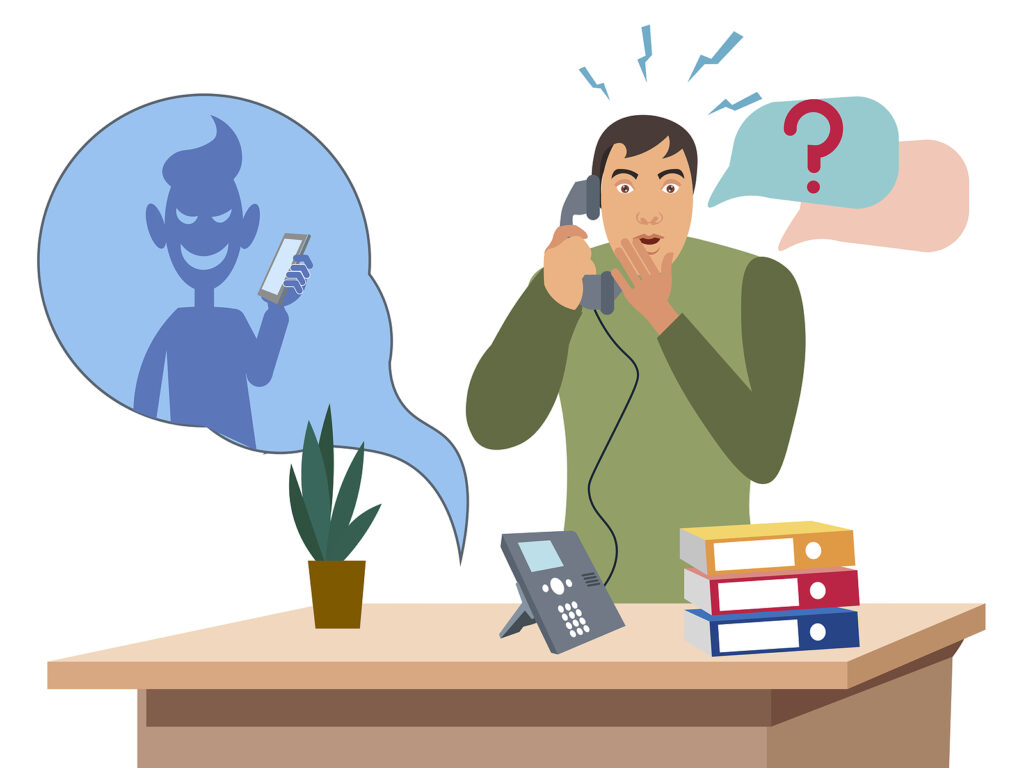
Most of us have pranked called a person or place of business once or twice during our childhood and adolescence. What seems like an innocent right of passage for a lot of kids and teens at sleepovers and birthday parties can actually get you in trouble with the law if you take it too far.

Continue reading to learn the top 4 ways prank calling can get you arrested in Indiana, and where to find the best juvenile criminal defense in Indianapolis.

Harassment Lawyer Indianapolis IN 317-636-7514

Harassment Laws in Indiana

The most likely criminal charge for prank calling is harassment, which can lie on a wide spectrum from minor to severe. Other possible criminal charges, depending on the particular jurisdiction, may include wiretapping, disorderly conduct, and even hate crime.

Harassment – If you are prank calling a person or location in excess, whether every day or consecutively in one day, you could be charged with harassment. This is especially true for threatening or vulgar prank calls.

Wiretapping – Wiretapping is the crime of recording phone conversations without the other person’s consent.  Wiretapping is considered a serious offense in Indiana, and such exploitation can be charged as a felony in certain cases.

Disorderly Conduct – Excessive or aggressive prank calling can also be deemed as disorderly conduct in the eyes of the law. The boundaries in which this criminal charge applies differs among Indiana jurisdictions, but in all cases, it can pose a penalty of fines and jail time.

Hate Crimes – If prank calling involves the intentional targeting and harassing of a particular race, religion, or nationality, it can possibly be viewed as a hate crime and charged as such.

What Will Happen if You are Caught Committing Any of These Prank Call Offenses

In the case that your prank calls have crossed a line into illegal activity, one of two things will happen: an officer will show up at your location and physically arrest you, or you will be indicted, and a warrant will be issued for your arrest.

How to Protect Your Rights After Being Charged With a Crime in Indianapolis

A skilled Indianapolis IN defense lawyer can help you avoid the maximum penalties for your criminal charges including the most feared, jail time. Not only can jail cause you to lose time with your family and loved ones, but it also forces you to miss work, which can greatly jeopardize your employment and income.

Are you ready to preserve your freedom by getting started on your defense now? Contact Attorney David E. Lewis at 317-636-7514 for the best chance at reducing or dismissing your Indianapolis IN criminal charges. We represent clients all throughout the state of Indiana.

You Should Also Read:

Can a Cop Arrest a Kid?
Important Laws That Pertain to Parents of Teenagers
FAQs About Juvenile Criminal Law

Indianapolis Criminal Defense 317-636-7514
Schedule a Free Consultation Today!

Common Types of Property Crimes and Penalties in Indiana

There are several different types of property crimes that one can commit here in Indiana. From vandalism to arson, and many in between, Indiana does not take such offenses lightly. If you or someone you love was recently arrested or indicted on property crime charges, it is vital to hire a criminal defense attorney as soon as possible to protect your rights and preserve your freedoms.

In the meantime, continue below to review some of the most common types of property crimes in Indiana and the penalties that generally follow if convicted.

Indianapolis Criminal Defense Law Firm 317-636-7514

What is a Property Crime?

A property crime is any type of intentional or unintentional act of destruction or theft to a private or public premises. In Indiana, they are punishable on a wide scale depending on circumstances and details of the crime, from Class C Misdemeanors to Level 1 Felonies.

See Sentencing Guidelines for Indiana

Here are the most common types of property crimes in Indiana:

Theft

Also called larceny, theft crimes are any acts of intentionally and knowledgeably exerting control over one’s property without consent or authorization. “Exerting control” can mean a variety of actions, including taking, possessing, obtaining, controlling, leading away, carrying, driving, concealing, selling, abandon, encumbering, conveying, transferring, securing, reproducing, or extending a right to another’s property. Theft convictions range from Class A Misdemeanors to Level 5 Felonies depending on the value of stolen items and various other details.

Shoplifting

Shoplifting is a type of theft crime in which a person intentionally conceals merchandise from a retail store without any intention of paying for it. Putting a book in your inside jacket pocket or a necklace in your purse at a store so that you can walk out without paying for them are examples of shoplifting. Shoplifting sentences depend on the total value of the items, but they commonly range from low level infractions to Class A Misdemeanors. In more serious cases, shoplifting charges can be Felonies.

Burglary

Burglary is another subcategory of theft. Different from robbery, which involves the use of a weapon, burglary is the act of unlawfully and forcibly entering a house, building, or enclosed structure with the intent of stealing property or possessions. It can also be unlawfully entering a house or enclosed structure for the purpose of committing another type of illegal act. Like most theft crimes, the charges for burglary can range from low misdemeanors to high felonies depending on the circumstances of the crime.

Robbery

Robbery is the crime of burglary and theft all in one, but with the use of a deadly weapon, force, or threat of force. Commanding a cashier to hand over all of the money in the cash register while showing them a gun on your belt would be the crime of robbery. Robbery is a serious theft crime, so it comes with much higher charges and penalties, usually Felonies.

Arson

Arson is the crime of intentionally setting fire to or burning a house, building, structure, or area of property such as a forest or park. If someone commits the violent crime of arson, and as a result, someone suffered bodily injury, the level of punishment drastically increases, as do the subsequent penalties upon conviction. Minor cases of arson, usually with juveniles, result in Misdemeanors, while more serious crimes of arson are charged as felonies.

Vandalism

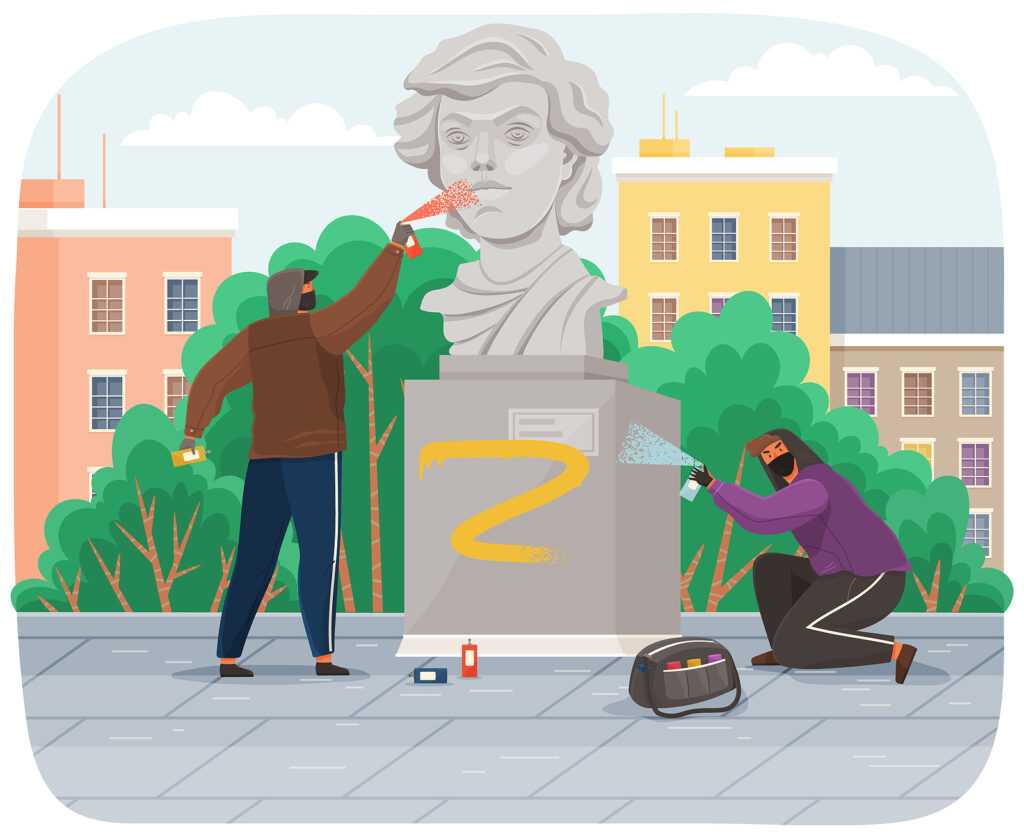
Vandalism is a very common crime that can be as minor as writing your name in marker on the bathroom stall to graffitiing an entire building façade with spray paint. Any act that degrades, devalues, destructs, defaces, damages, or destroys a property is considered a crime of vandalism. Like most property crimes, the level of punishment depends on the severity of the crime and total value of damage. Sentences range from low-level infractions to Level 5 felonies.

Are you facing criminal charges for one of these types of property crimes in Indiana? Contact Attorney David E. Lewis at 317-636-7514 to schedule a free case evaluation for theft crimes in Indianapolis, IN today.

You Should Also Read:

Is it Possible to Reduce My Criminal Charges?
Possible Court-Ordered Penalties for Felonies and Misdemeanors in Indiana
Can I Be Arrested for Setting a Fire on My Property?

Indianapolis Criminal Defense 317-636-7514
Schedule a Free Consultation Today!

The 6 Stages of an Indiana Juvenile Case

When your child is facing charges in the juvenile court system, your mind is full of questions. By learning what to expect from the juvenile court process, you can feel more at ease and be better prepared with the proper legal defense. Continue reading to learn the 6 stages of a juvenile case in Indiana, and who to trust for skilled criminal defense for minors in Indianapolis.

Juvenile Criminal Defense Indianapolis Indiana
Juvenile Criminal Defense Indianapolis Indiana 317-636-7514

Hire a Juvenile Defense Lawyer

Child arrests are never easy, even if your child is merely weeks away from turning 18. So, when they happen, your first priority should be to hire a licensed criminal defense attorney who is well-versed and experienced in juvenile cases. They can help navigate you every step of the way and provide a pillar of support throughout the whole process. From the detention hearing to the final review hearing, your juvenile defense lawyer will ensure your child’s rights are protected and their freedoms preserved.

Juvenile Justice System Process in Indiana

Although the stages of your juvenile’s case will vary depending on several factors, such as the scope of the offense and the presiding jurisdiction, the possible stages your child will experience in the Indiana juvenile justice system process are the detention hearing, initial hearing, waiver hearing, fact-finding hearing, dispositional hearing, and review hearing.

Detention Hearing

The detention hearing is the very first appearance in juvenile court. It usually takes place within the first 48 hours following an arrest, but not including weekends or holidays. At this hearing, a judge will determine whether the juvenile must remain in custody of the detention facility or if they can go home. This hearing is an opportunity for your child’s criminal defense attorney to present the wishes of the child to the judge and confirm who will be responsible for supervising the child while released from juvenile detention custody.

Initial Hearing

The initial hearing comes next, which is the court appearance in which the child is read their official charges. It is vital that your juvenile has a reputable criminal defense attorney present at this initial hearing.

Waiver Hearing

A waiver hearing is not always part of the juvenile justice system process. It only takes place if the prosecutor requests that the juvenile case be transferred to an adult court, therefore having the child tried as an adult.

Fact-Finding Hearing

The fact-finding hearing is held to allow witness testimonies, cross examination of witness and the accused, and for the defense attorney to present evidence in support of the child’s benefit. At the conclusion of this trial, the judge will determine if the child has in fact done something wrong. If the judge decides the child is innocent, or not liable for the offense, the case is over and the child walks, penalty-free.

Dispositional Hearing

A dispositional hearing is only held if the judge concludes that the child has done something wrong or broken the law in some way. At this hearing, the judge will decide the appropriate penalties or punishment for the child’s offense. Generally, this includes probation, community service, fines, restitution, mandatory school attendance, treatment, and counseling. In worst case scenarios, the judge will order the child to juvenile detention.

Review Hearing

A review hearing is held every 6 months, until the probation period is completed in full and as ordered. This hearing is used to check on the child’s progress while on probation.

Was your child recently charged or accused of a crime? Contact the Law Office of David E. Lewis at 317-636-7514 for skilled juvenile criminal defense in Indianapolis, Indiana. Schedule your consultation over the phone, via online video conference, or in person at our office.

You Should Also Read:

Important Laws That Pertain to Parents of Teenagers
Is My Child Charged With a Delinquent Offense or Status Offense?
What To Do After Your Child is Arrested

Indianapolis Criminal Defense 317-636-7514
Schedule a Free Consultation Today!

Can I Be Arrested for Prank Calling?

Most Americans have gleeful childhood memories of prank calling neighbors and friends during sleep overs. But have you ever thought about how this seemingly innocent practical joke can lead to real life legal troubles? Generally, children and adolescents who make prank calls are not likely to get in trouble with the law. However, there are some forms of prank calling that could be considered illegal. Whether as a concerned teen who thinks they took a call too far, or a parent who knows their kids enjoy this common, juvenile pastime, it important to be knowledgeable on all possible consequences.

Continue reading to learn when prank calling crosses the line, and can get you or your child arrested or indicted on criminal charges.

Indiana Disorderly Conduct Lawyer
Indiana Disorderly Conduct Lawyer 317-636-7514

When Prank Calling Goes Too Far

Prank calling, as mentioned, is a common and generally innocent juvenile pastime. In most cases, such calls are perfectly harmless, and in worse case scenarios, really only cause frustration and confusion on the other end of the connection. But there are times when certain types of calling can cross the line into illegal activity. In the case of going too far or crossing the line, the potential types of crimes a prank caller could be charged with include harassment, disorderly conduct, hate crimes, or wiretapping.

Possible Prank Call Criminal Charges

Harassment – The crime of harassment sits on a wide spectrum. When it comes to prank calling specifically, the act can turn into harassment if the calls are persistent, such as consecutive calls in a short period of time or calling every day. They can also be considered harassing if a prank caller is repeatedly calling to make threats.

Disordering Conduct – Many states, including Indiana, consider making abusive, threatening, or offensive language a form of disorderly conduct, which is an illegal act. Being verbally abusive on a prank call can be against the law, and lead to the arrest of a prank caller if the person being pranked feels threatened or suffers damages like mental trauma or anxiety attacks.

Hate Crimes – When prank calling is about abusing a person or family based on their gender, race, ethnicity, religious beliefs, vocation, sexual orientation, or any other characteristic of their life, it can be deemed a hate crime. Hate crimes are illegal, and will be investigated and penalized according to law.

Wiretapping – If a prank caller records the conversation without the person’s consent, it can be considered wiretapping. Many states decree wiretapping as against the law, so if caught, a prank caller could face legal penalties, whether the person called presses charges or not.

Where to Get Criminal Defense for Your Harassment Charges in Indiana

Call the Law Office of David E. Lewis at 317-636-7514 to schedule a free initial consultation with aggressive criminal defense lawyer who will stop at nothing to protect your rights and preserve your freedoms after being charged with harassment or disorderly conduct in Indiana. With decades of hands-on experience, you can trust Attorney David E. Lewis to build you a strong and impactful defense against your Indiana criminal charges.

Indianapolis Criminal Defense 317-636-7514
Schedule a Free Consultation Today!

Advice for Parents Whose Kids Drive Drunk

Teens are known to experiment with alcohol, but some wind up making some brash and dangerous decisions that can end in devastating consequences. We are talking about drunk driving. If you are the parent of a teen or minor adult who has a history of alcohol usage, and you know they have operated a vehicle under the influence in the past, you should know what to do in the case of a DUI arrest since you will likely be the first call they make from jail.

Continue reading to learn which steps to take after your teenager is pulled over drunk, and arrested for a DUI in Indiana.

Underage Drinking DUI Lawyer 317-636-7514
Underage Drinking DUI Lawyer Indianapolis Indiana 317-636-7514

Get to Know the Zero Tolerance Law in Indiana

In all states, any minor that is caught operating a motorized vehicle, including motorcycles and ATV’s, with a blood alcohol content (BAC) of 0.02% or higher, will immediately be subjected to drivers’ license suspension. Furthermore, all states have adopted the Zero Tolerance Law, which means it is strictly illegal for minors to drive a vehicle after drinking alcohol, no matter how little the quantity imbibed. Although adults can legally operate a vehicle with a bold alcohol content of 0.07% or lower, there is simply no tolerance for those under the legal drinking age.

Even if your minor was not driving, they can still be arrested for a DUI if they are in the front seat of a vehicle and the keys are in the ignition. The car does not have to be on for a drunk driving arrest to be made. If your minor refuses a breathalyzer, they will be arrested and penalized, even if they are not exhibiting any signs of intoxication.

Common Penalties for Minor DUI Convictions

Minors, including those 18 years old to 20 years old, will be penalized according to state judicial schedule if caught operating a vehicle with alcohol in their systems. One penalty that is guaranteed: immediate suspension of drivers’ license. Additional penalties that are common and possible include restitution for any property damages caused by drunk driving, fines, jail, probation, house arrest, ignition lock system on steering wheel of car, community service, victim impact panels, substance abuse treatment programs, alcohol education courses, school orders, and counseling.

Criminal Record Expungement for Minors

If your minor driver is arrested on drunk driving charges in Indiana, you will need a criminal defense lawyer who can protect them from the maximum penalties for their charges, and petition for criminal record expungement. Upon eligibility, your teenager might be able to have their DUI arrest and conviction sealed or expunged from their criminal record. A skilled Indiana DUI defense lawyer can build your loved one an impactful defense to dismiss or reduce their charges and penalties, and move forward with petitioning for expungement or record sealing.

Indianapolis Indiana Drunk Driving Criminal Defense for Minors

Call the Law Office of David E. Lewis at 317-636-7514 to learn how your teen can beat their Indiana DUI charges with aggressive criminal defense. Attorney David E. Lewis is your solution to reducing or dismissing their sentence, and thus, protecting their future freedoms. If you want them to avoid the maximum penalties for a drunk driving conviction, it is important to let our skilled legal teams build an impactful defense that will sway the decision of the courts. We provide free initial consultations, so you do not have to pay anything to simply talk to a lawyer for trusted advice. Schedule an online, over-the-phone, or in-office appointment, today.

Indianapolis Criminal Defense 317-636-7514
Schedule a Free Consultation Today!

Will I Go to Jail for Underage Drinking?

After you turn 18 years old in the United States, you are legally an adult. However, even though you are deemed an adult in the eyes of the law, you are still in fact, a minor, which means you are also still restricted from partaking in certain activities, primarily consuming alcohol. Currently, the legal drinking age is 21 years old, which means that anyone under the age of 21 years old is subject to arrest and underage drinking charges if caught by authorities. As a result of being caught intoxicated or in possession of alcohol while under the legal drinking age, many types of penalties can ensue; one of which could be jail time.

Continue reading to learn how Indiana law penalizes underage drinking, and what you can do to ensure you avoid the maximum sentence for your underage drinking charge.

Indiana Underage Drinking Lawyer
Indiana Underage Drinking Lawyer 317-636-7514

Indiana Underage Drinking Laws

You must be 21 years old to legally consume or purchase alcoholic beverages in Indiana, and virtually all other states. If caught in possession of, under the influence of, or consuming alcoholic beverages as a minor adult, the law has a set schedule on how you are to be penalized.

Although judges have the discretion to modify the ultimate sentence handed down for underage drinking as they see fit, the basic statute for possessing, consuming, or transporting alcohol as an underage adult is a Class C Misdemeanor.

In Indiana, a Class C Misdemeanor is punishable by 0 to 60 days in jail, up to $500 in fines (§ 7.1-5-7-7). Fines do not include court costs, filing fees, nor attorney fees.

Potential Penalties for Underage Drinking:

⚠ Driver’s License Suspension – 0 to 12 Months
⚠ Alcohol Treatment Program
⚠ Community Service

How to Prepare for Underage Drinking Charges

If you were recently arrested for underage drinking, and you are 18 years old or older, you need to retain private legal counsel as soon as possible. Licensed criminal defense attorneys can build you a strong and impactful defense that will protect your rights and preserve your freedoms. Mostly, they can keep you out of jail. Just be sure to choose the right lawyer for your Indiana underage drinking charges, as it takes a motivated and aggressive attorney to fight your case.

Trust Indianapolis Criminal Attorney, David E. Lewis

Contact David E. Lewis, Attorney at Law, at 317-636-7514 to start building a strong and impactful criminal defense against your Indiana underage drinking charges so that you have a chance at avoiding the maximum penalties for your suspected underage drinking. Our Indianapolis criminal defense law firm offers free initial consultations, so there are no out-of-pocket obligations to you.

Indianapolis Criminal Defense 317-636-7514
Schedule a Free Consultation Today!

Can a Cop Arrest a Kid?

Most might laugh at the idea of a police officer handcuffing and detaining a kid. But the truth is, “kids” are arrested every day, and for a wide range of criminal infractions and offenses. The key here when answering the question of legality is your definition of “kid.” A kid can be both a minor and a juvenile, depending on their age. Once you know which legal categorization applies to your children, you can better understand which types of criminal penalties they might face in the case that they are caught breaking the law.

Continue reading to learn the difference between a minor and a juvenile, and whether or not a cop can arrest them in Indiana.

Juvenile Criminal Lawyer
Juvenile Criminal Lawyer 317-636-7514

Minor vs. Juvenile

A minor is any person that is prohibited to perform a certain activity, such as driving a car, voting, and drinking alcohol. For instance, a person under the age of 21 is a minor when it comes to alcohol consumption, but not for smoking or voting, and a person under the age of 18 is a minor when it comes to smoking or voting. In contrast, juveniles are specifically persons between a certain ages. So, a minor can also be a juvenile.

State Laws for Minors and Juveniles

Minors can be anyone between the ages of 16 years old and 21 years old, depending on the law in question. So yes, cops can and will arrest minors if they are caught breaking the law. The type of court system they are tried in will depend on whether or not they are under or over 18 years old. For instance, if a 17 year old is caught smoking and in possession of cigarettes, they can face criminal charges in the juvenile court system. If a 20 year old is caught consuming, buying, or intoxicated on alcohol, they will face charges in the adult court system.

Juveniles

Juveniles between the ages of 11 and 17 years old can be arrested by a police officer if they are caught breaking the law. Every state has their own set of laws surrounding criminal procedure and penalization of juveniles, but all juveniles are generally tried in juvenile court. For teenagers that are close to the age of 18 and have committed serious crimes, such as murder, they will likely be tried as an adult. There are various factors that influence the judicial course of action for a juvenile, which is why it is imperative to speak with a licensed Indiana criminal lawyer who can educate you on your child’s case and best strategies for defense.

Children Under 10 Years Old

If a child under the age of 10 years old commits a crime, they are not tried in the juvenile court system. Instead, they are entered into a state-run or government-administrated social services program. Here, they are evaluated and rehabilitated by professionals in the social service and child care industries. See our blog, “Do I Need an Attorney if My Kid is Arrested?” for help with legal guidance regarding children.

Juvenile Criminal Defense in Indiana

Call David E. Lewis, Attorney at Law, at 317-636-7514 if your child has been charged with a crime in Indianapolis or anywhere else within Central Indiana. Our law firm offers aggressive and experienced criminal defense for juveniles and minors who are facing criminal charges in Indiana. Don’t settle for an attorney that doesn’t have the drive. Attorney David E. Lewis will stop at nothing to protect your rights and preserve your freedoms. We also offer criminal record expungement services to help clean up your criminal history and improve your quality of life!

Do I Need an Attorney if My Kid is Arrested?

When an adult is arrested, most of us know the basic process of detainment, arraignment, bail bonds, probation, and more. But what happens when a child is arrested? Continue reading to learn what you need to know about arresting minors and juveniles in Indiana.

Juvenile Criminal Attorney 317-636-7514

Juveniles vs. Minors

If you have kids, it is important to know the difference between a minor and a juvenile, because they are not the same. A minor can be both a person and a kid, whereas a juvenile is always a kid. You see, anyone who is prohibited from certain activities due to their age is considered a minor. If a person is 20 years old, they are minor when it comes to consuming alcohol or entering a bar. Accordingly, a person is a minor at 17 years old because they cannot legally smoke or purchase cigarettes nor vote. Similarly, a person who is 23 years old can also be a minor since they are not qualified to rent a car until they are 25 years old.

In contrast, a juvenile is anyone between the ages of 10 and 17 years old, and who has not been emancipated from legal guardians. If a child has been emancipated at 16 years old, they are considered a minor, not a juvenile. Once a person turns 18, the law deems them a legal adult, so they are not a juvenile anymore, but they are still a minor in terms of other laws.

Arresting Juveniles and Minors

If a juvenile between the ages of 10 years old and 17 years old commits a crime, the outcome largely depends on the discretion of the arresting officer. All law enforcement officials have their own way of dealing with juvenile crimes. In some cases, cops will simply detain them and call their parents to have them picked up, or give them a ride home in the squad car, handcuffed, to teach them a lesson.

Other times, cops give juveniles on-the-spot counseling and then release them back to parents after a time-out period. In more serious cases, a juvenile is transported to a juvenile detention center where they will await their arraignment. Police discretion mostly depends on a child’s age, the seriousness of the crime, and the parent’s ability to take over.

Criminal Defense for Juveniles

When it comes to retaining a criminal defense lawyer for kids under the age of 17 years old, it all depends on the situation. You see, children under 10 years old are not tried in the juvenile court system if they commit a crime. Instead, they are enrolled into a state social services program to be evaluated and rehabilitated by professionals. You may still need a lawyer in this case to protect your rights and get the best outcome possible for your case.

Kids who are tried in the juvenile court system can face a wide range of sentences and subsequent penalties, such as court-ordered therapy, community service, behavioral rehabilitation, house arrest, probation, special schooling, and in serious cases, live-in juvenile schools or detention camps. In the most serious cases, a juvenile can be tried as an adult in the adult criminal court system. For this reason, it is quite necessary to retain professional legal counsel in order to obtain the best possible outcome for your case.

It is important to remember that juveniles do not have a right to bail like adults do. In the case that your juvenile is detained at a juvenile detention center, they will be given a phone call, but they will remain there until their court arraignment. This hearing is generally scheduled within the first 24 or 36 hours of arrest, and will involve a judge deciding whether or not to release the defendant or sentence them to one or more of the above-mentioned penalties.

If a minor 18 years old or older is charged with a crime, they will be charged as an adult because, as mentioned, the law deems a person a legal adult at the age of 18 years old. In this case, it would be vital for anyone of this age to retain proper criminal defense to avoid the maximum penalties for their charges.

Where to Get Trusted Criminal Defense in Indiana

Call the Law Office of David E. Lewis at 317-636-7514 to schedule a free initial consultation with aggressive Indiana criminal defense attorney who will stop at nothing to protect your rights and preserve your freedoms. With decades of hands-on experience, you can trust Attorney David E. Lewis to build you a strong and impactful defense against your Indiana criminal charges.

Indianapolis Criminal Defense 317-636-7514
Schedule a Free Consultation Today!