Understanding Your Rights When Pulled Over By the Police

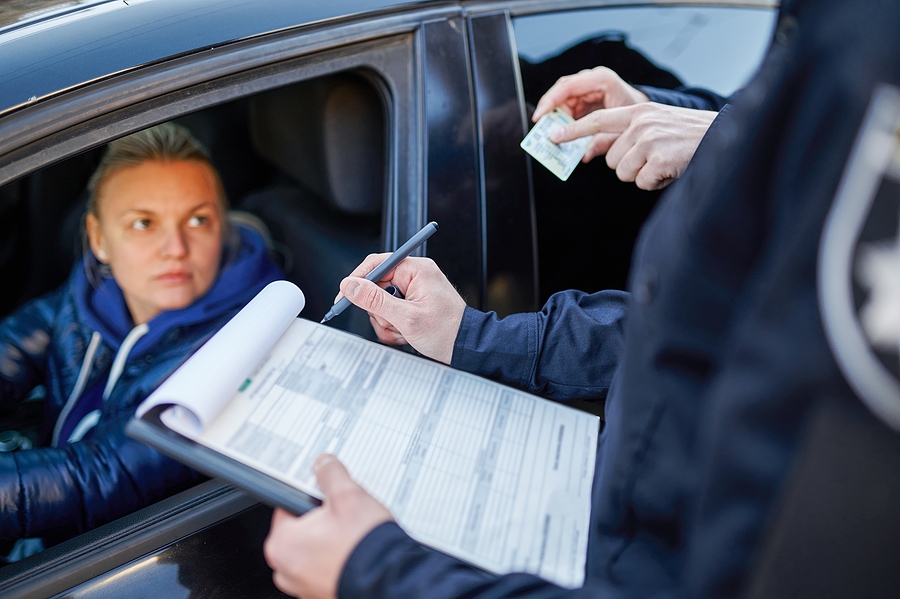
No one wants to be pulled over by the police, but it happens. When you find yourself in this situation, it’s important to know your rights and understand how you should act. Police encounters can be intimidating, but if you are aware of your civil rights as an American citizen and exercise them properly, things can go more smoothly. In this blog post we will discuss what your rights are when stopped by police officers according to the Fourth Amendment of the U.S Constitution and provide tips on how best to handle a police encounter so that everyone stays safe.  So, let’s dive in!
Call 317-636-7514 to Speak With a Criminal Defense Lawyer in Indianapolis

Your Fourth Amendment Rights

The Fourth Amendment is part of the Bill of Rights, and it protects people from unreasonable search and seizure. When pulled over, you have the right to remain silent and not answer any questions that are asked of you. You do not have to give permission for your car to be searched unless the police officer has a valid warrant or probable cause. If an officer has a valid warrant, they will present it before conducting a search.

Good Behavior During a Traffic Stop

It is within your rights to ask why you were stopped and if they are asking you to step out of the vehicle. It is also important to be polite when interacting with officers as this can help them keep their composure during the encounter. Additionally, make sure that any objects such as keys or wallets that you give to officers are returned once the encounter is over.

Outstanding Arrest Warrants

Whether you exhibit good behavior or not, if there is a warrant out for your arrest, the cop can  and will arrest you on the spot and take you into custody. In this case, you would leave your car there and it would be towed to the designated impound lot. You would be responsible for paying all towing and impound fees after you post bond and get out of jail.

Were You Arrested?

It’s important to note that if police do not read you your Miranda rights upon arrest and later make a confession, that confession may not be admissible in court. It’s crucial to understand your Miranda rights and exercise them if you’re ever in a situation where you’re under arrest or being questioned by law enforcement. Don’t hesitate to speak up and demand your rights. Miranda rights refer to the rights that every American citizen has upon being arrested by the police. These rights, established in the 1966 Supreme Court case Miranda v. Arizona, include the right to remain silent, the right to an attorney, the right to have an attorney present during police questioning, and the right to stop answering questions at any time.

Were Your Rights Violated?

If you feel your legal rights were violated, and there’s no physical harm caused during the encounter, it’s best to document as much information as possible, including the officer’s name, badge number and any details of the incident. As soon as possible after the encounter, contact a criminal defense lawyer to learn how to move forward with the law on your side.

Conclusion

Overall, understanding your rights when pulled over by police can help ensure that everyone involved in an encounter stays safe and respects one another’s civil rights. Keep in mind that having knowledge of your Fourth Amendment Rights can help protect you from unreasonable search-and-seizures by law enforcement officials. Being aware of these laws and exercising them properly can help make your police encounters go as smoothly as possible.

You do not have to go through the legal system alone. Get a professional on your side who will fight for your rights and your freedoms. Contact Attorney David E. Lewis at 317-636-7514 to speak with a seasoned criminal defense lawyer in Indianapolis, Indiana. Our law firm will get you the best possible outcome to your criminal case!

Related Posts:

How to Keep Yourself Safe During a Cop Stop
Use These 3 Tips to Avoid Being Pulled Over By a Cop
Is it Illegal to Insult a Cop?

7 Questions You Should Ask Your Criminal Defense Lawyer

If you or a loved one is facing criminal charges, it’s important to take the right steps to ensure that your rights are protected. One of the most important decisions you’ll make during this process is choosing the right criminal defense lawyer who can help get you through this difficult time. However, with so many attorneys out there, how do you know which one is best for your case? Before hiring a criminal defense attorney, be sure to ask these seven questions to make sure they’re the right fit for you.

With these questions answered and an understanding of their qualifications and experience, you can make an informed decision about who will represent your interests in court. Scroll down to get started!

Call 317-636-7514 to Speak With an Indianapolis Criminal Attorney.

Questions to Ask a Criminal Defense Lawyer Before Hiring Them

1. What is your experience in criminal defense law?

The most important aspect of finding the right lawyer is determining their level of experience and expertise when it comes to criminal charges. Ask them how long they have been practicing criminal defense law, how many cases they have handled, and what kinds of cases they are well-versed in. Make sure that you feel comfortable with their answer and that you can trust them to handle your case professionally and ethically.

2. Have you tried a similar case before?

Also ask if they have tried a similar case as yours – this will help give you an idea of their success rate and knowledge base when it comes to defending clients against criminal charges like yours. They should also be able to answer questions about jury trials, plea deals, and other courtroom strategies with confidence.

3. What are the likely outcomes of my case?

A good criminal defense lawyer will not make any promises about the outcome of your case – however, they should be able to give you an idea of the range of possible outcomes based on their experience. This can help you understand what you may be facing and what options you have available to defend yourself against criminal charges.

4. How much do you charge for a case like mine?

It’s important to ask upfront about attorney fees so that there are no surprises down the road when it comes time for payment. Ask them exactly how much they charge for a case like yours and what is included in that fee. You should also inquire about any additional costs for things such as filing fees, expert witness testimony, etc.

5. Do you have any references?

References can be an invaluable asset when it comes to choosing the right attorney – ask your potential criminal defense lawyer to provide references from past clients so you can get a better idea of their skill set and commitment to their cases.

6. What is your communication policy?

You’ll want to know how often you can expect updates on your case and if they will be available outside normal business hours in the event of an emergency. Make sure you feel comfortable with their communication policy and find out what methods of communication are available (phone, email, etc.)

7. What would you do differently if you were representing me?

This is a great question to ask any potential attorney as it will give you an idea of how they strategize and what their approach may be in handling your case. It can also allow you to get a better sense of the way they think and whether or not they value your opinion when it comes to making decisions about your defense.

Choose a Reputable Criminal Defense Lawyer to Protect Your Rights and Preserve Your Freedoms

When looking for the right criminal defense lawyer in Indianapolis who will fight for the best outcome in your case, it’s important to do your research. Be sure to ask these questions and any others you feel are necessary before making a final hiring decision. If a criminal attorney can competently answer all of them in a language you can clearly understand, then chances are that he or she is qualified and experienced enough to handle your defense.

Are you looking for the right defense lawyer for your case? Contact Attorney David E. Lewis at 317-636-7514 to speak with a seasoned criminal defense lawyer in Indianapolis, Indiana. Our criminal attorneys will get you the best possible outcome to your criminal case!

Related Posts:

Navigating the Legal System as a Defendant in a Criminal Case
The Importance of Hiring Your Own Criminal Defense Lawyer
How to Reduce Your Indianapolis Criminal Charges

How Cops Respond to Domestic Violence Calls in Indiana

Domestic violence is a serious problem in Indiana and across the United States. According to governmental data, in 2019 there were an estimated 1.2 million domestic assaults reported to law enforcement agencies nationwide. Unfortunately, it’s likely that many more cases of domestic violence go unreported and undetected each year.

In Indiana, law enforcement officers are trained to respond quickly and effectively when called upon for assistance with a domestic dispute or complaint. The state has specific laws in place that dictate how police should handle these types of calls to ensure the safety of all involved parties while also providing victims with necessary resources and support services they need to get out of dangerous situations.

In this blog post, we’ll take a closer look at how law enforcement responds to domestic violence calls in Indiana so you can be better informed about your rights and responsibilities if you ever find yourself facing such a situation.

Call 317-636-7514 to Speak With a Domestic Violence Lawyer in Indianapolis.
Call 317-636-7514 to Speak With a Domestic Violence Defense Lawyer in Indianapolis.

Domestic Dispute Police Response Process in Indiana

When law enforcement is called to respond to a domestic dispute in Indiana, the officers must first assess the situation. They will ask questions, such as whether or not any weapons are present, and take note of other signs that could indicate domestic violence is taking place. If it appears that an act of domestic violence has occurred, the officers must comply with certain procedures, such as interviewing any involved parties and performing a protective sweep of the dwelling.

The officers must also make sure that any victims of domestic violence are taken out of immediate danger and provided with appropriate resources, such as temporary housing or restraining orders. The officers must also take necessary steps to ensure the safety of all parties involved by making sure that any weapons present are collected and securing the scene.

In Indiana, law enforcement officers have an obligation to protect victims of domestic violence. They must evaluate each situation independently and determine if there is probable cause for arresting someone or issuing a Domestic Violence Order of Protection. If so, they can take necessary steps to provide victims with the safety and security they need to get out of a dangerous situation.

Cooperate With Police and Stay Calm

Whether the victim, the accused, or both, always be polite with law enforcement, as they are there to help. Guilty or not, if they place you under arrest, remain calm and don’t say another word until you have spoken with your Indianapolis criminal defense attorney. Once you are booked into the jail system, you can contact your lawyer and get bonded out of jail. From there, you will work on your defense.

Overall, it’s important to remember that law enforcement officers in Indiana take domestic violence calls seriously, and their primary goal is to protect victims and ensure the safety of all parties involved. If you ever find yourself in such a situation, please know that help is available, and you should not hesitate to call for assistance.

Putting an End to Domestic Violence

It’s important that we all work together to end domestic violence and make sure that those affected by it get the help they need urgently. And by working with law enforcement and other organizations dedicated to ending domestic violence, we can ensure that everyone in Indiana has access to the resources and support services they need. Let’s all play a role in making sure our state is free from domestic violence.

If you or someone you know is in a dangerous situation, don’t hesitate to reach out for assistance. Contact 911 in the case of an emergency. You mat also contact your local law enforcement office or visit the Indiana Coalition to End Domestic Violence website for more resources and information.

If you have been falsely accused of domestic violence, hire an aggressive lawyer who can protect your rights and get your charges dropped in Indiana. Contact the Law Office of David E. Lewis at 317-636-7514 to schedule a meeting with our experienced domestic violence defense lawyer in Indianapolis. Meet by phone or in person at our law office, based conveniently in Downtown Indy.

Related Posts:

FAQS About Domestic Violence Arrests and Charges in Indiana
What to Do if You Were Falsely Accused of Domestic Violence
The Indiana Rule For Domestic Violence

The Consequences of Conviction for a Heroin Offense in Indiana

Heroin usage and abuse is a serious problem in Indiana, with the state ranking among the top 10 states for heroin-related deaths. For those who are arrested for drug charges related to heroin, it’s important to understand the consequences of conviction. In this blog post, we will explore what happens if you’re convicted of a heroin offense in Indiana.  We will discuss the potential penalties and how they can affect your life moving forward. Lastly, we’ll talk about ways that you can fight back against these charges and protect yourself from harsh punishments.

Call 317-636-7514 to Speak With a Heroin Drug Charge Lawyer in Indianapolis.

Possession of Heroin Charges in Indiana

If you’re found guilty of a heroin-related offense in Indiana, the consequences can be severe. As a Schedule I controlled substance, possession of heroin under 5 grams is a Level 6 felony in Indiana, which carries a penalty of up to three years imprisonment and/or fines ranging from $10,000 to $20,000. If someone has more than 10 grams of heroin, it is considered a Level 4 felony, which carries even harsher penalties, including up to 12 years in prison and/or fines up to $10,000.

Consequences of Dealing Heroin

In Indiana, heroin charges can be exceptionally serious, with the consequences for dealing heroin and heroin trafficking easily reaching levels such as long-term prison sentences or hefty fines. Drug dealers caught intent on trafficking heroin can expect to face stiff sentences, ranging anywhere from 2 to 30 years in prison.

Dealing just 1 gram of heroin or less is considered a Level 4 felony, which renders a minimum 2 year prison sentence, with a maximum sentence of 6 years, plus up to $10,000 in fines. If you are caught dealing between 5 and 10 grams, you are looking at a maximum of 16 years in prison, with a minimum of 3 years. If you are arrested for dealing over 10 grams of heroin, you are facing up to 30 years in prison with a minimum of 10 years.

Drug Charge Enhancements

Enhancements to drug charges are punishments not prescribed in the underlying statutes but instead arise from various circumstances surrounding a particular activity. Sobriety status, weapons involvement, living children under 10 years old, moral turpitude—these may all weigh into whether or not an enhancement is imposed onto a charge. Enhancing one’s penalties could potentially double their exposure time in prison correlated to their original crime. Knowing early on potential enhancements that could possibly occur later down the line could be the difference between significant freedom and long confinement in the US Prison System.

Enhancements Include, but Not Limited to:

Drug Manufacturing
Priors for Dealing
Possession of Firearm
In Drug-Free Zones
Presence of Children
On School Grounds or Within 500 Feet
Dealing to a Minor
On or Within 500 Feet of a Park or School Bus
Dealing to Someone 3 Years One’s Junior

Additional Penalties for Heroin Crimes

In addition to the possible jail time and hefty fines associated with heroin-related charges, you may also face license suspension or revocation, probation, and drug treatment programs. Even if you’re only found guilty of a minor heroin offense, like possession of drug paraphernalia, you could still face license suspension and fines. Some heroin users themselves often either end up incarcerated or deal potentially deadly harm to their health.

It is important to understand that the consequences of a conviction can extend beyond just legal penalties. A criminal record related to drug charges can make it difficult to find employment or housing in the future. The social stigma of a heroin offense can have long-lasting effects. In short: heroin is no joke, and Indiana takes its stance against illegal drug dealing of any type quite seriously.

Seek Legal Help from an Indiana Drug Defense Lawyer

It’s important to remember that you don’t have to simply accept the consequences of a drug charge in Indiana. An experienced Indianapolis criminal defense attorney can help fight your drug charges and protect you from harsh punishments. Your attorney may be able to negotiate a plea deal with reduced penalties, challenge the evidence against you, or even get your charges dropped altogether. If you’ve been charged with a heroin offense in Indiana, don’t wait to take action. Speak with an experienced Indiana criminal attorney as soon as possible to build a strong defense and protect yourself from the maximum penalties. With the right legal help, you may be able to avoid jail time and fines, plus protect yourself from a damaging criminal record.  Seeking help early is the best way to ensure your rights are protected.

Act Now to Protect Your Freedoms

In summary, if you’ve been charged with a heroin offense in Indiana, it’s important to understand the potential consequences of conviction. Penalties can include hefty fines, jail time, license suspension or revocation, and probation. There could also be long-term social ramifications of a heroin conviction. However, a certified drug crime attorney can help fight your charges and protect you from harsh punishments. Don’t wait to take action – seek help early for the best chances of protecting your rights.  By taking proactive steps and working with a reputable attorney, you may be able to avoid the worst of the consequences of a heroin conviction.

Stay informed and stay safe!  If you or someone you know has been charged with a heroin offense in Indiana, get started with your defense now. Your future is worth protecting.  Contact the Law Office of David E. Lewis at 317-636-7514 to schedule a meeting with an experienced drug crime lawyer who can get you the best possible outcome for your heroin charges. We can hold meetings over the phone or in person at our Indy-based office.

Related Posts:

Getting Busted With Heroin in Indiana
Can I Expunge a Federal Drug Possession Record?
What You Should Know About Indiana’s Drug Schedules

Where to Get Aggressive Criminal Defense in Indianapolis

Don’t get stuck with the maximum penalties for your suspected crimes. Talk to a seasoned criminal defense lawyer in Indianapolis about possibly dismissing or reducing your Indiana criminal charges. But who can you trust to have compassion for your life, and work around the clock to protect your rights and preserve your freedoms? Choose the criminal defense attorney that so many other Hoosiers have in the past, David E. Lewis.

Criminal Lawyer Indianapolis Indiana 317-636-7514

Attorney David E. Lewis Will Get You the Best Possible Legal Outcome

When you are charged with a crime in Indiana, trust an aggressive and experienced Indianapolis criminal defense attorney to protect your rights and preserve your freedoms. Attorney David E. Lewis is the only professional authority for the job. He has decades of experience working in the criminal law field and has successfully defended thousands of offenders all over the state. He has been able to recover reduced sentences and even have charges dismissed for several of his past clients and will do everything in his power to provide the same results for you!

Your Case is His Top Priority

Attorney David E. Lewis will work around the clock to build a strong and impactful defense against your criminal charges, all while remaining a constant advocate for you during the entire legal process. He truly has his clients’ best interests in mind at all times, and never passes judgement on anyone that calls or comes through his doors. He strongly believes you are innocent until proven guilty! Don’t let a novice criminal defense attorney lead your case. They may not have the evolved knowledge from years of hands-on experience; an attribute that sets David E. Lewis apart from other entry-level criminal attorneys.

Your Chance at a Better Future

You have a realistic chance at avoiding jail time, thousands of dollars in fines, and other extreme penalties for drug crimes when you have an experienced Indianapolis defense attorney behind you. David E. Lewis, Attorney at Law, is fully equipped to take on your criminal case and fight for your rights. With him and our professional legal team on your side, you will have the professional guidance and knowledge it takes to remain strong and emotionally intact during your criminal legal proceedings.

Contact the Law Office of David E. Lewis at 317-636-7514 to schedule a meeting with our experienced Indianapolis criminal defense law firm. We can hold meetings over the phone or in person at our Indy-based office.

Related Posts:

Why Was My Plea Deal Rejected By the Judge?
Do I Call a Bail Bondsman or a Lawyer First?
The Pros and Cons of Taking a Plea Deal

Why Choose Our Criminal Defense Law Firm in Indianapolis

The Law Office of David E. Lewis is your top resource for superior criminal defense in Indianapolis, Indiana. When you are looking for a skilled and aggressive crime lawyer, Attorney David E. Lewis and his esteemed legal staff are the team to have in your corner. Our Indianapolis Indiana criminal defense law firm will build you a strong and impactful defense against your criminal charges, giving you the best possible outcome in court. Avoid harsh penalties and jail time by calling the Law Office of David E. Lewis today for your free consultation.

Continue below to learn why so many Hoosiers choose us to beat or significantly reduce their criminal charges throughout Central Indiana, plus how to get started on your defense as soon as today.

Indianapolis Criminal Law Firm 317-636-7514

The Law Office of David E. Lewis

Indianapolis Criminal Defense That Works

Here at the Law Office of David E. Lewis, you can expect to be treated with the utmost care and respect. We see you as the person you are, not the person. The courts are accusing you of being. Regardless of your crime or criminal charges, we are here to obtain a better legal outcome for you. We will work around the clock to build you a strong and impactful defense to significantly reduce or even dismiss your criminal charges entirely. Trust us to work on your case as if it were our own matters at stake.

Criminal Matters are Complex

Our Indianapolis defense attorneys know that your criminal matters are confusing to you and that you may not know which steps to take after being arrested or indicted on criminal charges in Indiana. If under investigation or charged with a crime in Indiana, your future and freedom could be in jeopardy. Your next few moves could greatly influence and impact your case, so having an adept defense attorney on your side is a monumental advantage for yourself and your future.

Here at The Law Office of David E. Lewis, we are ready to be your number-one advocate through this difficult time in your life. Trust our legal professionals to develop a strong defense for your case and work around the clock to place you in the best position possible following an arrest, charge, or conviction.

From start to finish, our criminal defense attorneys take your legal matters seriously. You can count on us to protect your rights and preserve your freedoms at all costs. We have full knowledge of criminal law on both state and federal levels, plus retain years of experience serving Hoosiers just like yourself. Our case results are prima facie evidence that our law firm is the right choice for your criminal charges in Indiana.

Are you ready to schedule your free, no risk consultation with seasoned attorney who actually cares about the quality of your life? Contact Attorney David E. Lewis at 317-636-7514 to speak with a seasoned criminal defense lawyer in Indianapolis, Indiana. Our law firm will get you the best possible outcome to your criminal case!

Related Posts:

When Do I Have a Right to an Attorney?
Do I Need to Hire a Lawyer for an Arrest Warrant?
How to Switch From a Public Defender to a Private Criminal Lawyer

Why Was My Plea Deal Rejected By the Judge?

Many criminal defendants wrongly assume that when they are presented with a plea deal, they are automatically granted the deal. However, it is possible for a judge to reject a plea deal after a defendant has agreed to one. Not only can this be fusing, but it can be highly frustrating when it comes time to stand trial for sentencing.

Continue reading to learn why plea deals are commonly rejected by judges, and what you can do to appeal the plea deal denial.

Plea Bargain Lawyer Indianapolis Indiana 317-636-7514

What is a Plea Deal?

A plea deal, or bargain, is just that: an agreement between the prosecuting attorneys and the defendant’s defense attorney in which each party sacrifices something to gain something when it comes time for sentencing. Essentially, it is a compromise regarding a defendant’s charges and penalties for their crimes. In most cases, this means a defendant accepts to plead guilty to their charges in return for a lower conviction and/or more forgiving sentence.

What You Need to Know About Accepting a Plea Bargain

But here is what most criminal defendants do not know: it is not up to the prosecution and defense to use a plea bargain. Instead, plea bargains must first be approved by the courts. A judge has to determine whether or not a defendant was strong-armed in any way; and once they confirm no pressure was made, they will approve a plea bargain. However, the process and regulations for plea bargains differ from state to state.

Why Pleas Get Denied By Courts

In most cases, criminal defendants will be granted their plea deal by the court. However, it is possible for the courts to deny a plea deal presented by the prosecution, especially in the case of habitual offenders. After all, if you are being charged with your tenth DUI, it is unlikely that the court will accept a plea deal in your favor. At this point, they will be ready to punish you and use you as an example to the community.

In less egregious scenarios, plea deals can still be rejected by the judge. This may happen if the judge strongly believes that A) it is in the best interest of the community or general public, or B) the plea agreement does not sufficiently address the nature of the offense or the rights of the victims involved, if any.

How to Get Help with Your Criminal Charges In Indiana

It is important to talk to a trusted and licensed Indianapolis criminal defense attorney about Indiana plea bargains and appeal procedures. A seasoned criminal lawyer will be able to navigate all elements of your case and build you in impactful defense in favor of a lighter or even served sentence.

Are you looking for a skilled criminal defense lawyer who can get you the best outcome to your Indiana criminal charges? Contact the Law Office of David E. Lewis at 317-636-7514 to schedule a meeting with our experienced Indianapolis criminal defense law firm. We can hold meetings over the phone or in person at our Indy-based office.

Related Posts:

Should I Plead Guilty to My DUI Charge?
Should I Plead No Contest if My Criminal Charge is Minor?
The Pros and Cons of Taking a Plea Deal

FAQS About Indiana’s Good Time Credit

If your pending criminal charges likely come with a jail sentence, you are wise to explore ways to reduce your imprisonment time with good inmate behavior. This is exactly what Indiana’s Good Time Credit program offers inmates in exchange for cooperation and obedience while in jail.

Unfortunately, not everyone qualifies for Indiana’s Good Time Credit, as there are several strict and specific criteria inmates must meet to be granted a reduced prison sentence. But for those who do qualify, the benefits are significant. Not only can you reduce your 18 month sentence to a 9 month sentence, but you can get back into the world you know, making money, taking care of family, attending school and church and so much more.

Continue below to review some frequently asked questions about Indiana’s Good Time Credit, including who might or might not qualify and where to get started in Indianapolis.

Get Out of Jail Lawyer Indianapolis Indiana 317-636-7514

Frequently Asked Questions About Indiana’s Good Time Credit

What is Indiana’s Good Time Credit?

Indiana’s Good Time Credit allows eligible and approved inmates to get out of jail sooner than their original sentence length if they exhibit good behavior. The amount of Good Time Credit that can be earned depends on the inmate’s level of offense. Indiana’s Good Time Credit terms and conditions can be found under Indiana Code 35-50-6-0.5. Good Time Credit should not be confused with other times of sentence-reducing credit time, such as accrued credit, vocational credit, rehabilitation program credit, house arrest credit, work release program credit, and educational credit.

Who is Eligible for Indiana’s Good Time Credit?

Those who have been given an executed sentence are on the brink of qualifying for Indiana’s Good Time Credit. Beyond executed sentences, it is the judge’s discretion to grant approval for Good Time Credit. Habitual offenders and violent offenders may be denied eligibility. Individuals who are sentenced as “credit restricted felons” do not qualify.

How Can I Earn Good Time Credit in Jail?

Earning Good Time Credit in jail starts and ends with good behavior.  Inmates must adhere to all rules and regulations, avoid confrontations, stay away from criminal activity, and participate in healthy activities, like exercise, schooling, vocational programs, and more. Depending on the level of offense an inmate is serving, they may be assigned Credit Class A through Credit Class P, which can accrue them days off their sentence with good behavior.

Credit Class A:
Class A Misdemeanors and Level 6 Felonies
▶ 1 Good Time Day for Every 1 Accrued Day
▶ Potential to Reduce Sentence By 50%

Credit Class B:
Level 1 – 5 Felonies
▶ 1 Good Time Day for Every 3 Accrued Days
▶ Potential to Reduce Sentence By 25%

Credit Class C:
Any Charge Level – Generally inmates are moved from Class A or B to Class C as punishment for bad behavior.
▶ 1 Good Time Day for Every 6 Accrued Days
▶ Potential to Reduce Sentence By 14.3%

Credit Class D:
Any Charge Level – Generally inmates are moved from Class A, B, or C to Class D as punishment for bad behavior.
▶ No Good Time Days
▶ No Potential to Reduce Sentence

Credit Class P:
Any Charge Level – Assigned to defendants awaiting trial while on home detention. Convicted persons do not qualify.
▶ 1 Good Time Day for Every 4 Accrued Days
▶ Potential to Earn Up to 25 Days Toward Executed Sentence

Am I Free After Being Released From Jail on Good Time Credit?

After being released from jail on an executed sentence based on Good Time Credit, you are not yet free from the law’s grip. Individuals will still have to report to a probation or parole office on a regular basis, pass routine drug and alcohol screens, participate in court-ordered programs (community service, rehab, etc.), pay all fines, maintain full-time employment, and more. You may also be subjected to a curfew, housing requirements, and mandatory job placement, plus have your drivers’ license suspended and your firearm rights taken away. Typically, probation or parole lasts between 1 and 5 years, depending on the criminal history and level of offense.

Are you looking for criminal defense attorney who can help you understand your rights to getting out of jail faster after being convicted of a crime in Indiana? Contact Attorney David E. Lewis at 317-636-7514 to speak with a seasoned criminal defense lawyer in Indianapolis, Indiana. Our legal team can help you obtain the best possible outcome to your criminal matters!

Related Posts:

How to Request Early Termination of Probation in Indiana
How to Reduce Your Criminal Charges
What Happens if I Violate My Probation in Indiana?

Do I Need to Hire a Lawyer for an Arrest Warrant?

Arrest warrants are not as confusing as they may seem at first. Once you start exploring your options for turning yourself in to authorities, you will feel better about the process. After all, knowing what to expect is a great strategy for decreasing anxiety about any kind of pressing legal matter. Regardless of how straightforward arrest warrants tend to be, you may still have some questions. One of the most common questions about arrest warrants has to do with hiring a lawyer.

Continue reading to learn about hiring a criminal defense lawyer for assistance with an arrest warrant in Indiana, plus which law firm to trust for a fast and secure surrender.

Arrest Warrant Lawyers Indianapolis Indiana 317-636-7514
Arrest Warrant Lawyer Indianapolis Indiana 317-636-7514

How to Check for Arrest Warrants

There are many ways to discover an arrest warrant for your own arrest. The worst way is to be stopped by police, which commonly happens during routine traffic stops, DUI checkpoints, and similar police encounters. In these scenarios, the police immediate arrest and detain the suspect and bring them into jail. There is no time to make any phone calls, park your car, pay your tab, or anything else for that matter. You are simply arrested on the spot.

Another way arrest warrants are brought to one’s attention is by in-person police execution. This means that a uniformed officer will show up at a person’s place of residence or employment execute a warrant. They can also show up at your kid’s school, gym, and any other place you are known to be.

Sometimes, defendants are notified by conducting a warrant search on themselves. If you suspect that you have an active or outstanding warrant out for your arrest, verify this gut feeling with a certified arrest warrant lookup service. These are free and available online via several different government websites and portals.

Hiring a Lawyer for an Arrest Warrant

The best way, and it is the best because it is the most secure and can eliminate the need to turn yourself in altogether, is to hire an Indianapolis criminal defense lawyer to represent your charges. Your criminal defense lawyer can confirm if you indeed have an open warrant issued for your arrest, and quite possibly, have the warrant recalled. This would mean that you would not longer be wanted nor surrender to the jail.

A criminal defense attorney can file a motion with the court to have your arrest warrant recalled or for a combined bond review and warrant surrender. Otherwise, you would just turn yourself in and bail yourself right out.

Are you currently facing an arrest warrant in Indiana? Contact the Law Office of David E. Lewis at 317-636-7514 for skilled and friendly criminal defense in Indianapolis, Indiana. We represent adults and juveniles in all criminal cases.

Related Posts:

Do I Call a Bail Bondsman or a Lawyer First?
Do I Have to Let Police in My House if They Show Up With a Search Warrant?
The Best Advice on Managing an Arrest Warrant
The Difference Between Arrest Warrants and Bench Warrants