Are Dropped Charges the Same as Dismissed Charges?

When criminal charges are no longer being held against you, they have either been dropped or dismissed. Although they render virtually the same results, charges dropped and charges dismissed are two different criminal outcomes. Continue reading to learn the difference between dropped charges and dismissed charges, including the pros and cons of each.

Criminal Lawyer Indianapolis Indiana 317-636-7514

The Prosecutor Decides to Drop or Dismiss Charges

In criminal cases, the prosecution holds the burden of proving that the defendant is guilty of the criminal charges. Also known as the People, the State, or in federal cases, the United States, the prosecutor will ultimately make the decision to either drop, dismiss, or pursue the criminal charges against a defendant of the court. If the prosecutor chooses to pursue the criminal charges against a defendant, they must prove every element of the criminal act beyond a reasonable doubt. Because this is a challenging burden to undertake, prosecution will sometimes choose to drop or dismiss the criminal charges instead.

Criminal Charges That Are Dropped

Criminal charges can be dropped before or after charges have been filed with the court. The most common reason why charges are dropped in criminal cases is due to insufficient evidence. As we mentioned before, prosecutors have the burden of proving every single factor of a crime beyond a reasonable doubt. If there are holes in their case against the defendant, they may lack confidence in their ability to prove their assertions beyond a reasonable doubt.

Additional reasons why prosecutors might drop charges include errors in law enforcement procedures and violation of amendment rights, specifically 4th, 5th, and 6th. Sometimes, courts, prosecutors, and government offices have heavy caseloads but not enough resources to deal with them all. This might lead a prosecutor to drop criminal charges the defendant. In other cases, a criminal defendant might have information that can help law enforcement pursue bigger criminal cases. If the defendant is willing to help, they might be offered a deal that involves dropping their criminal charges.

Criminal Charges That Are Dismissed

Criminal charges are usually dismissed for the very same reasons they are dropped, and lack of evidence is still the most common. The main different between dropped criminal charges and dismissed criminal charges is where they occur in the timeline of the judicial process. Dismissed charges generally don’t take place until later on, after the judge or prosecutor realizes they don’t have what they need to prove that the defendant is guilty of the alleged crimes. Oppositely, charges can be dropped before anything is even filed with the court.

Further distinctive of dropped charges, dismissed charges can be ordered by the judge rather than the prosecution. If the judge feels that there are holes in the case, they might override the process and dismiss the charges themselves.

Pros and Cons

Although hypothetical, if you could choose, you would want your charges to be dismissed. When charges are dropped against a defendant, prosecution still has the opportunity to reinstate their criminal charges later on. This might happen if they gather more sufficient evidence against you, allowing them to build a stronger case that proves you are guilty of the alleged crimes. When charges are dismissed, they typically stay dismissed for good.

Are you ready to fight your current criminal charges in Indiana? Contact Attorney David E. Lewis at 317-636-7514 to speak with a seasoned criminal defense lawyer in Indianapolis, Indiana. Our law firm will get you the best possible outcome to your criminal case!

Related Posts:

How a Pretrial Diversion Program May Reduce Your Sentence
Should I Plead No Contest if My Criminal Charge is Minor?
Why Was My Plea Deal Rejected By the Judge?

How to Reduce Your Indianapolis Criminal Charges

Ultimately, your number one goal after being arrested is to evade criminal charges. After criminal charges ensue, it is only natural to turn your focus on dismissing or reducing them. Fortunately, there are things you can do to help increase the chances of this happening.

Continue below to learn how to reduce your Indianapolis, Marion County criminal charges, including which criminal defense law firm is a top-choice for aggressive and skilled representation.

Best Criminal Defense Attorney Indianapolis Indiana 317-636-7514
Criminal Defense Attorney Indianapolis Indiana 317-636-7514

Dismissal of Criminal Charges is Not Common

Although prosecution has the choice to drop your criminal charges either before or after they’ve been filed with the court, it is usually an unlikely outcome. Criminal charges are only dropped under specific circumstances, mostly as a result of insufficient evidence, but also due to factors like fourth amendment violations, which is when evidence is illegally obtained, like in the case of an illegally executed search warrant, as well as procedural issues, and resource issues. In some cases, prosecution may decide to tropical charges against the defendant. If they are willing to cooperate with law enforcement as an informant against another defendant or case.

Reducing Criminal Charges is a Strong Possibility

Compared to dismissal of criminal charges, reducing criminal charges is very possible. However, in order to have your criminal charges reduced, it is important to start out with the right representation. Although public defenders do society a service, it is not recommended to choose free legal representation when facing criminal charges. Public defenders have very high caseloads and cannot spend enough time working on each case with specific intent.

A private Indianapolis criminal defense lawyer can put their focus on your case and do everything it takes to lessen your criminal charges and therefore protect your rights and preserve your freedoms. Basically, if you want to avoid jail, hefty fines, and loads of community service, you need to hire a private criminal defense attorney. Without specialized and experienced criminal defense representation, it is very unlikely that the prosecutor will budge on your criminal charges.

Additional Factors to Consider When You Want to Reduce Your Criminal Charges

A plea bargain, or plea deal, is the key that will unlock your opportunity to reduce your criminal charges in Indianapolis. In order to be offered a reasonable plea deal, you will need seasoned criminal defense representation. A private criminal attorney can build you a strong and impactful defense against your charges, and ultimately convince the prosecutor to be more lenient. Not only can you jail time, but you can also avoid excessive hours of community service, rehabilitation programs, home detention, thousands of dollars in fines, and much more.

The lesser your criminal charges, the more promising your future. It is important to avoid jail time, especially if you have children or people who depend on you. Spending time in jail can put your job in jeopardy, plus create all sorts of social and domestic obstacles. It is in your best interest to have your criminal charges significantly reduced so that you can maintain the best possible quality of life for you and your loved ones.

Money Should Not Be a Concern

Many people choose to forgo private legal representation due to money or budgeting problems, but there is no price for freedom and peace of mind. Invest in yourself and your loved ones by paying out of pocket for private criminal defense in Indianapolis. A reputable criminal defense law firm will work with you on payment plans so that you can enjoy your freedom without going into debt or making any financial sacrifices.

Are you looking for a trusted criminal defense law firm in Indiana who can help you reduce or dismiss your criminal charges? Contact the Law Office of David E. Lewis at 317-636-7514 to speak with a skilled criminal defense attorney in Indianapolis, Indiana. We can meet over the phone, via online video conference, or in person at our office.

Related Posts:

How to Switch From a Public Defender to a Private Criminal Lawyer
How a Pretrial Diversion Program May Reduce Your Sentence
Why Was My Plea Deal Rejected By the Judge?

Why Choose Our Criminal Defense Law Firm in Indianapolis

The Law Office of David E. Lewis is your top resource for superior criminal defense in Indianapolis, Indiana. When you are looking for a skilled and aggressive crime lawyer, Attorney David E. Lewis and his esteemed legal staff are the team to have in your corner. Our Indianapolis Indiana criminal defense law firm will build you a strong and impactful defense against your criminal charges, giving you the best possible outcome in court. Avoid harsh penalties and jail time by calling the Law Office of David E. Lewis today for your free consultation.

Continue below to learn why so many Hoosiers choose us to beat or significantly reduce their criminal charges throughout Central Indiana, plus how to get started on your defense as soon as today.

Indianapolis Criminal Law Firm 317-636-7514

The Law Office of David E. Lewis

Indianapolis Criminal Defense That Works

Here at the Law Office of David E. Lewis, you can expect to be treated with the utmost care and respect. We see you as the person you are, not the person. The courts are accusing you of being. Regardless of your crime or criminal charges, we are here to obtain a better legal outcome for you. We will work around the clock to build you a strong and impactful defense to significantly reduce or even dismiss your criminal charges entirely. Trust us to work on your case as if it were our own matters at stake.

Criminal Matters are Complex

Our Indianapolis defense attorneys know that your criminal matters are confusing to you and that you may not know which steps to take after being arrested or indicted on criminal charges in Indiana. If under investigation or charged with a crime in Indiana, your future and freedom could be in jeopardy. Your next few moves could greatly influence and impact your case, so having an adept defense attorney on your side is a monumental advantage for yourself and your future.

Here at The Law Office of David E. Lewis, we are ready to be your number-one advocate through this difficult time in your life. Trust our legal professionals to develop a strong defense for your case and work around the clock to place you in the best position possible following an arrest, charge, or conviction.

From start to finish, our criminal defense attorneys take your legal matters seriously. You can count on us to protect your rights and preserve your freedoms at all costs. We have full knowledge of criminal law on both state and federal levels, plus retain years of experience serving Hoosiers just like yourself. Our case results are prima facie evidence that our law firm is the right choice for your criminal charges in Indiana.

Are you ready to schedule your free, no risk consultation with seasoned attorney who actually cares about the quality of your life? Contact Attorney David E. Lewis at 317-636-7514 to speak with a seasoned criminal defense lawyer in Indianapolis, Indiana. Our law firm will get you the best possible outcome to your criminal case!

Related Posts:

When Do I Have a Right to an Attorney?
Do I Need to Hire a Lawyer for an Arrest Warrant?
How to Switch From a Public Defender to a Private Criminal Lawyer

Everything You Need to Know About Home Detention

Home detention, also called house arrest or home confinement, is a court-ordered, officer-supervised penalty that is sentenced to certain offenders in lieu of jail time. When sentenced to such penalty, a person must remain within the set boundaries of their home at all times, but may be given limited travel privileges for work, school, or doctor’s appointments.

Although the label seems pretty clear, there is much more to a house arrest sentence than just home confinement.  If you or someone you love is facing house arrest, it is helpful to get some answers to some common questions in order to put your mind at ease and clear up any confusion you had about the terms and conditions of house arrest.

Continue reading to review the most frequently asked questions about home confinement to do just that!

Probation Violation Lawyers Indianapolis Indiana 317-636-7514

Top House Arrest FAQS

Can a Juvenile Be Sentenced to Home Detention?

Both adults and minors under the age of 18 years old can be sentenced to home detention. In fact, many teenagers are sentenced to house arrest because most judges aim for a safer, more productive alternative to juvenile hall or jail. Whether juvenile or adult, all convicted offenders are put on temporary probation during the duration of the sentence. Probation can include routine meetings with a probation officer, random drug screenings, community service, full-time employment, drug rehabilitation, GED completion, MADD panels, and more.

What are the General Rules of House Arrest?

Every person’s case is different, and subject to varying regulations. However, the general rules of house arrest include no drugs or alcohol in the residence, no drug or alcohol consumption, a probation officer can come by the home at any time to check for drugs or alcohol or to perform a random drug test, adherence to a set curfew, and all orders of probation.

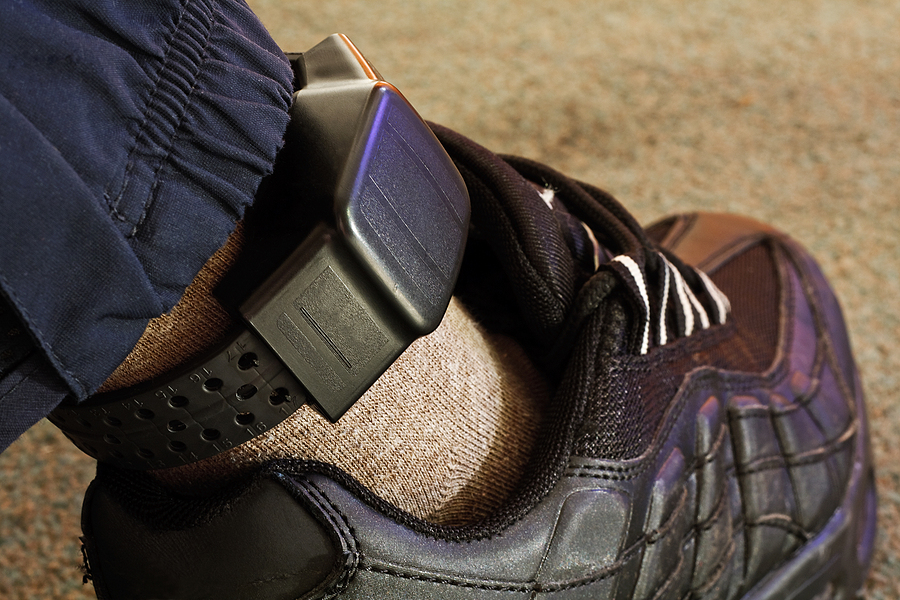
All convicted offenders on home detention must also wear an electronic monitoring bracelet around their ankle. This keeps track of their location. If the subject goes beyond their allotted property line, the probation officer and local law enforcement are immediately notified. Tampering with an ankle monitor is considered a violation, and a criminal charge in itself. The device is programmed to detect even the slightest tampering, then records and sends the notification to the proper authorities.

What Happens if You Violate House Arrest?

If a convicted offender breaks any of the rules of their sentence, they are subject to being ordered to a probation violation hearing in court. This means you not only face the previous charges, but now face additional ones as well. Sometimes, a probation officer will give a warning the first time, but it is important to understand that the terms are taken very seriously, and one minor infraction will be penalized.

Do You Need a Lawyer if You Violate?

In most cases, yes. The penalties for such violations are taken very seriously, and the penalties a defendant faces for them are very harsh as well. Your criminal defense lawyer already knows your case and will defend you once again to minimize the penalties you face for violating. They are your only hope at avoiding the maximum charges for a house arrest violation.

How are You Monitored on House Arrest?

A person on house arrest wears an electronic alarm device on their ankle at all times. This device is coupled with another that is connected to a person’s home phone. The device will record the dates and times of all traveling within and outside of the set boundaries. If any of these records show that a person traveled outside of their boundaries during a time that was not permitted, the probation officer is notified, and the person is charged with a violation. Tampering with the device will also be recorded and considered a violation.

Are you worried that your recent criminal charges will land you with the maximum penalties, like jail or house arrest? Contact the Law Office of David E. Lewis at 317-636-7514 to connect with one of our skilled and aggressive criminal defense attorneys in Indianapolis, Indiana. We can meet over the phone, via online video conference, or in person at our office.

Related Posts:

How Your Sentence Will Be Determined as a Defendant Facing Criminal Charges
Do I Have to Let Police in My House if They Show Up With a Search Warrant?
How a Pretrial Diversion Program May Reduce Your Sentence

Your Next Step After Being Charged With Drunk Driving Vehicular Manslaughter

Drunk driving is illegal for a very good reason. Vehicles, after all, are comparable to a 3,000 pound missile at speeds as low as 10 miles per hour. Under that, they are still heavy machinery that can cause a devastating amount of damage or bodily injury. Many drunk driving accidents result in the fatalities of other innocent drivers, passengers, and pedestrians. Such accidents generally lead to a DUI vehicular manslaughter charge against the intoxicated driver. As a type of homicide crime, vehicular manslaughter is a very serious criminal charge that can end with long lasting consequences, including a lengthy stint in prison.

If you are facing drunk driving vehicular manslaughter in Indiana, continue below to learn the most valuable and critical step you need to take to avoid the maximum penalties for your charges.

Vehicular Manslaughter Lawyer Indianapolis Indiana 317-636-7514

Homicide and Involuntary Manslaughter

DUI vehicular manslaughter is a homicide and occurs when a person operates a motor vehicle while intoxicated, and in doing so, unintentionally causing an accident that kills another person. Although it is not considered murder since it was not a deliberate, malicious, or premeditated act, the offense is categorized as a homicide because a person loses their life.

There are different types of homicides, including involuntary and voluntary manslaughter, reckless homicide, negligent homicide, and vehicular homicide.

A homicide is not always a crime, as is the case with self-defense. Criminal homicide, on the other hand, is causing the death of another, either by means of negligence, such as drunk driving, or willful intent, such as spontaneously killing a person that you catch sleeping with your spouse. This would be charged as voluntary manslaughter, which is aptly called the heat of passion crime.

Vehicular Manslaughter Laws

Vehicular manslaughter laws are divided into 3 distinct levels: vehicular manslaughter, vehicular homicide, and aggravated vehicular homicide. Vehicular manslaughter is when a driver causes the death of another person or their unborn child as a result of a misdemeanor traffic violation. Vehicular homicide is the same as vehicular manslaughter, but in two specific scenarios: as a result of driving negligence or speeding through a construction zone.

Aggravated vehicular homicide is also the same as vehicular manslaughter, but in three specific scenarios: as a direct result of A) operating a vehicle while intoxicated; B) operating a vehicle recklessly; or C) committing a reckless traffic offense in a construction zone.

DUI Manslaughter Charges and Penalties

Drunk driving vehicular manslaughter is charged as an involuntary manslaughter homicide, which is a DUI felony offense. Upon conviction, a defendant can be punished by up to 6 years in prison, with an advisory jail sentence of 3 years, plus suspended drivers’ license for 2 to 5 years and fines up to $10,000.

If you have been charged with drunk driving manslaughter, your next step is the most important one you will make in your life: hire a skilled and experienced Indiana criminal defense lawyer for aggressive DUI defense. They can preserve your rights and protect you from the maximum sentence.

Are you worried about your pending DUI charges in Indiana? Contact Attorney David E. Lewis at 317-636-7514 to schedule a free initial consultation with a seasoned DUI lawyer in Indianapolis, Indiana who will put your mind at ease with a strong and impactful defense. We also represent defendants charged in Indiana but who live in another state.

Related Posts:

Facts About Aggravating Factors in a Criminal Case
How Your Lawyer Might Defend Your DUI Charges
When You Might Go to Jail for a DUI

Frequently Asked Questions About Warrants

Being served, or worse, surprised by a warrant is not a pleasurable experience. Whether you are a hardened, street-smart convict or a first-time offender, the discovery of a warrant will most certainly invoke some relevant questions. If you are facing a bench warrant, arrest warrant, or search-and-seizure warrant, it is wise to educate yourself as much as possible before you mistakenly make your legal matters worse.

Scroll down to review some frequently asked questions about warrants, including what your first steps should be after learning of one for yourself for a loved one.

Arrest Warrant Lawyers Indianapolis Indiana 317-636-7514

FAQS About Warrants

What is an Arrest Warrant?

There are two main types of warrants: arrest warrants and bench warrants. An arrest warrant is an official order made by a judge and handed over to law enforcement demanding the immediate arrest of the defendant named in the document. A bench warrant is less serious as it does not require your arrest. Instead, bench warrants request your attendance on the “judge’s bench” for the purpose of handling certain legal matters. These are commonly used in divorce proceedings, custody hearings, and for witness testimony.

Do I Have to Go to Jail For a Bench Warrant?

No, you are not required to surrender to the jail for a bench warrant. Instead, follow the instructions on the documents sent to you. There should be information on when you are requested to appear in court or mediation. If you do not cooperate with the bench warrant, you could face civil or legal penalties, like fines.

How are Arrest Warrants Served?

There are several ways an arrest warrant can be satisfied or served. In many cases, the defendant named in the warrant will have a run-in with police, and when the police draw up their records, they will see the warrant and arrest the individual on the spot. This can happen during a routine traffic stop, even if the cop is just warning you about a burnt out taillight.

Other times, law enforcement will make a house visit or show up at the defendant’s last known place of employment. There, they will serve the defendant and apprehend them on the spot. Sometimes, police will allow a cooperative individual to simply follow them to the station for a surrender, rather than being cuffed and escorted in the police car.

What Should I Do if I Think I Have a Warrant Out for My Arrest?

You can use a free, online database to search for arrest warrant records. Simply type in your name and date of birth to see if there is an active warrant in your name. It should be able to provide state-wide results, showing warrants in all counties you are wanted in. You can also contact a local bail bondsman or criminal defense attorney for professional warrant lookup assistance. These tend to be the most reliable sources for warrant information. You could also call the Department of Motor Vehicles or courthouse directly.

How Do I Surrender to an Arrest Warrant?

If you have a warrant out for your arrest, it is vital that you turn yourself into authorities at the local police station in the county denoted on your warrant document. If you fail to surrender to an arrest warrant, you will be considered a fugitive of the law. It is recommended to contact the jail beforehand to get detailed instructions on where to park, where to enter the building, what to bring, and so on. In most cases, you can get in and out in a couple of hours.

Do I Need a Lawyer for an Arrest Warrant?

Although it is not required by law, it is strongly encouraged to hire an Indianapolis criminal defense attorney to help you during and after your arrest warrant surrender. They will ensure that you are not held in jail longer than you need to be, plus they can begin working on your defense to reduce your charges and subsequent penalties.

What Makes a Search Warrant Valid?

All search warrants must be filed in good faith by a law enforcement officer, and they must include reliable evidence that shows probable cause to search a premises. Aside from this fundamental requirement, a valid search warrant will have 3 specific elements: a magistrate’s signature, a description of the premises to be searched, and a description of the items to be seized.

Can I Refuse a Search and Seizure if Police Have a Warrant?

There are several intricacies involved with an officer’s right to perform legal searches without warrants, so you may be confused on whether or not your 4th Amendment right applies. In fact, a person can potentially be arrested and held in custody for resisting a search. If you believe you were unfairly searched, you can always file a claim afterwards that alleges a violation of your rights.

Are you looking for legal assistance regarding arrest warrants and similar criminal matters in Indiana? Contact the Law Office of David E. Lewis at 317-636-7514 for skilled criminal defense for arrest warrants in Indianapolis. We represent juveniles and adults all throughout the state of Indiana.

Related Posts:

The Best Advice on Managing an Arrest Warrant
Can I Go to Jail for Criminal Contempt?
What Happens if I Do Not Show Up For My Court Date?

Why Was My Plea Deal Rejected By the Judge?

Many criminal defendants wrongly assume that when they are presented with a plea deal, they are automatically granted the deal. However, it is possible for a judge to reject a plea deal after a defendant has agreed to one. Not only can this be fusing, but it can be highly frustrating when it comes time to stand trial for sentencing.

Continue reading to learn why plea deals are commonly rejected by judges, and what you can do to appeal the plea deal denial.

Plea Bargain Lawyer Indianapolis Indiana 317-636-7514

What is a Plea Deal?

A plea deal, or bargain, is just that: an agreement between the prosecuting attorneys and the defendant’s defense attorney in which each party sacrifices something to gain something when it comes time for sentencing. Essentially, it is a compromise regarding a defendant’s charges and penalties for their crimes. In most cases, this means a defendant accepts to plead guilty to their charges in return for a lower conviction and/or more forgiving sentence.

What You Need to Know About Accepting a Plea Bargain

But here is what most criminal defendants do not know: it is not up to the prosecution and defense to use a plea bargain. Instead, plea bargains must first be approved by the courts. A judge has to determine whether or not a defendant was strong-armed in any way; and once they confirm no pressure was made, they will approve a plea bargain. However, the process and regulations for plea bargains differ from state to state.

Why Pleas Get Denied By Courts

In most cases, criminal defendants will be granted their plea deal by the court. However, it is possible for the courts to deny a plea deal presented by the prosecution, especially in the case of habitual offenders. After all, if you are being charged with your tenth DUI, it is unlikely that the court will accept a plea deal in your favor. At this point, they will be ready to punish you and use you as an example to the community.

In less egregious scenarios, plea deals can still be rejected by the judge. This may happen if the judge strongly believes that A) it is in the best interest of the community or general public, or B) the plea agreement does not sufficiently address the nature of the offense or the rights of the victims involved, if any.

How to Get Help with Your Criminal Charges In Indiana

It is important to talk to a trusted and licensed Indianapolis criminal defense attorney about Indiana plea bargains and appeal procedures. A seasoned criminal lawyer will be able to navigate all elements of your case and build you in impactful defense in favor of a lighter or even served sentence.

Are you looking for a skilled criminal defense lawyer who can get you the best outcome to your Indiana criminal charges? Contact the Law Office of David E. Lewis at 317-636-7514 to schedule a meeting with our experienced Indianapolis criminal defense law firm. We can hold meetings over the phone or in person at our Indy-based office.

Related Posts:

Should I Plead Guilty to My DUI Charge?
Should I Plead No Contest if My Criminal Charge is Minor?
The Pros and Cons of Taking a Plea Deal

Can a Person Be Arrested for Blackmailing?

Blackmail is a crime. Crimes come with penalties of all kinds, from fines and restitution to community service, house arrest, probation, and even jail time. And like all crimes, blackmailing another person, business, or organization will lead to these same consequences. Continue below to learn more about blackmail laws, including the common charges and penalties, plus what to do if you are being blackmailed by another.

Blackmail Criminal Defense Lawyer Indianapolis Indiana 317-636-7514

Blackmailing Laws in Indiana

Blackmailing can be a state or federal crime depending on the circumstances or nature of the offense. Most people wrongly assume that blackmail is the act of forcing someone to do something they don’t want to do by means of threat or ultimatum (not by bribery or intimidation). But the true, universally accepted legal definition of blackmail describes a very serious offense that causes significant damage to one’s reputation, finances, or quality of life, all of which can subject a victim to extreme psychological and emotional traumas. For this reason, blackmail is deemed as a very serious offense under criminal law, and therefore, renders major penalties, including jail time.

West’s Encyclopedia of American Law, (2d Edition, 2008), defines blackmail as: “[t]he crime involving a threat for purposes of compelling a person to do an act against his or her will, or for purposes of taking the person’s money or property.

Forms of Blackmail

Blackmail crimes come in all forms. A blackmailer could threaten a person to do something they don’t want to do by threatening physical violence, or threatening to harm their 1) reputation, 2) employment status or privileges, 3) school admissions, 4) child custody rights, 5) social status, 6) membership status, 7) finances, 8) property, 9) loved ones, and much more. A blackmailer may even threaten to reveal secrets that can cause harm to all of these elements of life and more.

Typically, the person doing the blackmailing is someone that has a level of authority or power over the victim, such as an employer, computer hacker, spouse, parent, guardian, conservatorship representative, lawyer, agent, teacher, school administrator, and similar authorities. However, this is not always the case. A blackmailing victim can be blackmailed by their best friend, romantic partner, neighbor, or even a minor.

Blackmail Versus Extortion

The terms blackmail and extortion are sometimes used interchangeably to describe the same type of crime. However, blackmail is typically reserved to describe crimes of threat, while extortion is more like blackmail that results in actually receiving funds, money, payment, or some other reward. Basically, when blackmail is successful, it turns into the crime of extortion.

Penalties for Blackmailing

Here in Indiana, if the defendant is charged with blackmail or extortion, they will face a long list of penalties, with the possibility of jail time. In most cases, a first offender convicted of a blackmailing crime will be sentenced to fines. In other cases, a defendant might be sentenced to fines and imprisonment. Aside from criminal penalties, a person convicted of blackmail or extortion may also face a civil lawsuit brought on by the victim. The victim could seek damages from the blackmailer in the form of compensation or settlement.

What to do if you’re being blackmailed: Immediately contact the police and give a full report. Never take matters into your own hands.

Are you currently facing criminal charges for bribery, blackmail, or extortion in Indiana? Contact the Law Office of David E. Lewis at 317-636-7514 for aggressive criminal defense for misdemeanor or felony criminal charges in Indianapolis, Indiana. We represent adults, minors, and juveniles all across the state.

Related Posts:

Can I Get Arrested for Threatening Someone?
Can I Be Arrested for Intimidating Someone?
The Difference Between a No Contact and Protective Order

Frequently Asked Questions About No Contest Pleas

Although a No Contest plea is a common alternative to a guilty or not guilty plea, it may or may not be the right choice for your criminal case. Continue below to learn what you need to know by reviewing these frequently asked questions about no contest pleas in Indiana.

Criminal Lawyers Indianapolis Indiana 317-636-7514

FAQS About No Contest Pleas

What is a No Contest Plea?

“No Contest”, or nolo contendere in legalese, literally translates to, “I do not wish to contend.” A No Contest plea is used as an alternative to pleading guilty or not guilty. Essentially, when a defendant chooses to plead no contest, they are neither admitting nor disputing the charges against them. Although a defendant does not admit guilt, the plea will elicit a criminal conviction in court. Accordingly, a No Contest plea is essentially the same as a guilty plea.

Many people confuse No Contest pleas to “Alford” pleas. Although nolo contendere pleas are similar to Alford pleas in that both do not admit guilt, they still accept the punishment under a guilty conviction. Under an Alford plea, a defendant is saying they are innocent, but will accept the guilty conviction and subsequent penalties. Under a nolo contendere plea, a defendant is not admitting guilt nor claiming to be innocent. 

What are the Pros and Cons of Using a No Contest Plea?

There are many noted advantages of pleading no contest in a criminal case. As for benefits, nolo contendere pleas are wise in criminal cases that might also result in civil action. If a civil lawsuit were to arise, the defendant’s guilty conviction upon pleading no contest cannot be used as evidence against them. Additional benefits of a nolo contendere plea include:

▷ Lower Attorney Fees and Court Costs
▷ Shorter Trial Process
▷ Publicity/Reputation Protection
▷ Potential for Lighter Sentences
▷ Stopping Further Investigation

On the other hand, there are also some critical disadvantages of pleading no contest. First and foremost, a No Contest plea is essentially a guilty plea because it renders a guilty conviction and subsequent sentence. Basically, defendants are punished just as they would be had they entered a guilty plea. Additional disadvantages of No Contest pleas include having a conviction on your permanent.

How Do I Plead No Contest to My Criminal Charges?

Courts must grant approval before a defendant can enter a nolo contendere plea. So, your first step to determining your eligibility for pleading no contest would be to hire a criminal defense lawyer. They can arrange all the motions and paperwork asking the courts for permission to enter a No Contest plea. Some defendants will be denied.

Should I Plead No Contest to a Minor Charge?

Although they are a type of guilty plea, pleading no contest can be beneficial for you when facing minor criminal charges, especially if the prosecution is offering it in a plea deal. Most often, plea deals are used to negotiate, which is why they are also called plea bargains. Prosecution will offer a reduced charge or sentence in return for the defendant’s guilty plea, or in this case, a No Contest plea.

Do I Need a Lawyer if I Am Going to Plead No Contest?

It is important to discuss your plea options with your defense lawyer. Hopefully you choose to hire a private criminal attorney in Indianapolis, as public defenders are overloaded with cases and cannot put much time or focus on a defendant’s case like a private lawyer can. If you want the best possible outcome to your criminal case, you will need private, personal defense.

With your lawyer, you can decide which plea is the best fit for your criminal circumstance. Each case is different, and everyone’s criminal history is different, so your best options will differ from the defendant down the street. In fact, you cannot just choose a no contest plea; in most states, defendants require permission from the courts first.

Are you ready to fight your Indiana criminal charges and potential avoid having to enter a plea altogether? Contact Attorney David E. Lewis at 317-636-7514 to schedule a free initial consultation with a seasoned Indianapolis IN criminal defense lawyer you can trust. We also represent defendants charged in Indiana but who live in another state.

Related Posts:

What if I Regret Entering a Guilty Plea?
The Pros and Cons of Taking a Plea Deal
Do I Withdraw My Plea or File an Appeal?

FAQS About Indiana’s Good Time Credit

If your pending criminal charges likely come with a jail sentence, you are wise to explore ways to reduce your imprisonment time with good inmate behavior. This is exactly what Indiana’s Good Time Credit program offers inmates in exchange for cooperation and obedience while in jail.

Unfortunately, not everyone qualifies for Indiana’s Good Time Credit, as there are several strict and specific criteria inmates must meet to be granted a reduced prison sentence. But for those who do qualify, the benefits are significant. Not only can you reduce your 18 month sentence to a 9 month sentence, but you can get back into the world you know, making money, taking care of family, attending school and church and so much more.

Continue below to review some frequently asked questions about Indiana’s Good Time Credit, including who might or might not qualify and where to get started in Indianapolis.

Get Out of Jail Lawyer Indianapolis Indiana 317-636-7514

Frequently Asked Questions About Indiana’s Good Time Credit

What is Indiana’s Good Time Credit?

Indiana’s Good Time Credit allows eligible and approved inmates to get out of jail sooner than their original sentence length if they exhibit good behavior. The amount of Good Time Credit that can be earned depends on the inmate’s level of offense. Indiana’s Good Time Credit terms and conditions can be found under Indiana Code 35-50-6-0.5. Good Time Credit should not be confused with other times of sentence-reducing credit time, such as accrued credit, vocational credit, rehabilitation program credit, house arrest credit, work release program credit, and educational credit.

Who is Eligible for Indiana’s Good Time Credit?

Those who have been given an executed sentence are on the brink of qualifying for Indiana’s Good Time Credit. Beyond executed sentences, it is the judge’s discretion to grant approval for Good Time Credit. Habitual offenders and violent offenders may be denied eligibility. Individuals who are sentenced as “credit restricted felons” do not qualify.

How Can I Earn Good Time Credit in Jail?

Earning Good Time Credit in jail starts and ends with good behavior.  Inmates must adhere to all rules and regulations, avoid confrontations, stay away from criminal activity, and participate in healthy activities, like exercise, schooling, vocational programs, and more. Depending on the level of offense an inmate is serving, they may be assigned Credit Class A through Credit Class P, which can accrue them days off their sentence with good behavior.

Credit Class A:
Class A Misdemeanors and Level 6 Felonies
▶ 1 Good Time Day for Every 1 Accrued Day
▶ Potential to Reduce Sentence By 50%

Credit Class B:
Level 1 – 5 Felonies
▶ 1 Good Time Day for Every 3 Accrued Days
▶ Potential to Reduce Sentence By 25%

Credit Class C:
Any Charge Level – Generally inmates are moved from Class A or B to Class C as punishment for bad behavior.
▶ 1 Good Time Day for Every 6 Accrued Days
▶ Potential to Reduce Sentence By 14.3%

Credit Class D:
Any Charge Level – Generally inmates are moved from Class A, B, or C to Class D as punishment for bad behavior.
▶ No Good Time Days
▶ No Potential to Reduce Sentence

Credit Class P:
Any Charge Level – Assigned to defendants awaiting trial while on home detention. Convicted persons do not qualify.
▶ 1 Good Time Day for Every 4 Accrued Days
▶ Potential to Earn Up to 25 Days Toward Executed Sentence

Am I Free After Being Released From Jail on Good Time Credit?

After being released from jail on an executed sentence based on Good Time Credit, you are not yet free from the law’s grip. Individuals will still have to report to a probation or parole office on a regular basis, pass routine drug and alcohol screens, participate in court-ordered programs (community service, rehab, etc.), pay all fines, maintain full-time employment, and more. You may also be subjected to a curfew, housing requirements, and mandatory job placement, plus have your drivers’ license suspended and your firearm rights taken away. Typically, probation or parole lasts between 1 and 5 years, depending on the criminal history and level of offense.

Are you looking for criminal defense attorney who can help you understand your rights to getting out of jail faster after being convicted of a crime in Indiana? Contact Attorney David E. Lewis at 317-636-7514 to speak with a seasoned criminal defense lawyer in Indianapolis, Indiana. Our legal team can help you obtain the best possible outcome to your criminal matters!

Related Posts:

How to Request Early Termination of Probation in Indiana
How to Reduce Your Criminal Charges
What Happens if I Violate My Probation in Indiana?