What to Do if You Were Falsely Accused of Domestic Violence

Domestic violence in a serious crime, and unfortunately, a prevalent one all across the Nation. However, not everyone suspected of or charged with domestic violence is guilty. If you have been falsely accused of domestic violence in Indiana, it is in your best interest to assume a strong and impactful defense to protect your rights and preserve your freedoms. A domestic violence conviction stays on your record, and can have lasting, if not lifelong negative effects on your quality of life.

Continue reading to learn what you need to do to protect yourself from being wrongly convicted of a domestic violence offense in Indiana.

Domestic Violence Lawyer Indianapolis Indiana 317-636-7514

Domestic Violence Accusations are Serious

If you have been accused of domestic violence, take it seriously. Many people are falsely accused and ultimately, wrongly convicted of domestic assault or battery, which results in lasting, lifelong consequences. You must act fast and hire a licensed and aggressive Indiana criminal defense lawyer who can fight your charges and prove your innocence beyond any doubt.

Divorce and Child Custody Matters

False domestic violence reports commonly arise during divorce and child custody matters. One party may attempt to tarnish the reputation of the other for the purpose of gaining assets or winning child custody. Then again, fake domestic violence accusations are often made simply out of spite or revenge. Anyone can fall victim to a phony domestic violence accusation, which is why it is important to educate yourself on how to remain protected against such false charges.

Mistakes Made By Responding Police

Often times, domestic violence arrests and subsequent charges arise due to law enforcement error. The police officers who respond to the scene of a potential domestic violence dispute can possibly make a miss call or use poor judgment, and as a result, arrest the wrong person. This often happens when it’s one person’s word against the other. In such cases, it is important to use the highest degree of respect and cooperation. Attitude, anger, or belligerence can result in an arrest, whether you’re guilty or not.

Penalties for Making Untrue Domestic Violence Claims

Anyone who falsely accuses another person of domestic violence by filing an official report with police will face serious penalties if caught further deception. Not only will they face potential criminal charges, but upon eviction, they may face heavy fines and jail time.

Were you been falsely accused of a crime and now you are facing criminal charges as an innocent victim? Contact the Law Office of David E. Lewis at 317-636-7514 to speak with a skilled and aggressive criminal defense attorney in Indianapolis, Indiana. We can meet over the phone, via online video conference, or in person at our office.

Related Posts:

Are You Innocent of a Recent Criminal Charge in Indiana?
Who Gets Arrested in a Domestic Violence Police Call?
The Indiana Rule For Domestic Violence

Criminal Attorney David E Lewis Indianapolis Indiana 317-636-7514

What Should I Do if I Get Pulled Over By Police?

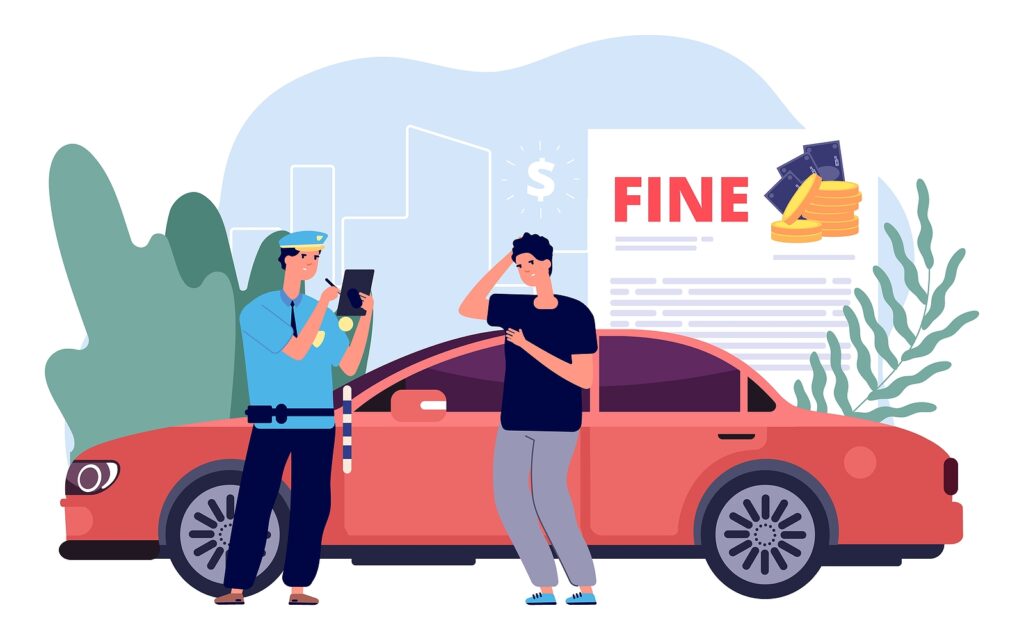
At some point in your driving career, you are bound to be pulled over by police. It doesn’t mean that you’re guilty of a crime, or even suspected of one; but nonetheless, cop-stops and traffic violations do happen every day, so it is wise to be prepared and know how to behave if you ever look up and see those flashing emergency lights in your rear view mirror.

Criminal Lawyers Indianapolis Indiana 317-636-7514

Being Pulled Over is Not Always a Bad Thing

It is important to keep in mind that law enforcement is out there to protect us, even if that means from ourselves. So, when you see yourself getting pulled over by police, do not panic. It is very likely that they are pulling you over for something minor, such as a broken taillight. They might be pulling you over to help you with something, like an unscrewed gas cap or dangling license plate.

Courtesy and Cooperation Will Help Your Situation

In all cases of being pulled over by police, the most important thing to remember is that good behavior goes a long way. Whether you are guilty of something or not, if you are 100% cooperative and courteous to the on-duty officer, it is very likely that you will be treated with high regard and that your best interests (including your personal time) will be made a priority by them. Cops are ultimately here to help us and protect us, and if you let them do their job, your police encounter will go by a lot faster and end with a more desirable outcome, even if you are arrested.

Cop Stop Tips

If you are ever pulled over by law enforcement, whether driver or passenger, these are the steps that you need to remember and practice to the best of your ability:

Pull to the Right. Pull over to the right shoulder of the road as soon as you know police are stopping you. Do not pull over to the left side. If you cannot access the right side of the road right away, drive a few feet longer, until you have adequate space to pull over.

Stay Still. Do not move from your seat after stopping. Don’t even unbuckle your seatbelt or grab your purse. Remain perfectly still with your hands on the wheel while you wait for the officer to approach your window. You can reach for your car documents when the officer asks for them.

Be Very Nice. Be polite and answer the police officer’s questions with respect. Although it is up to you on how truthful you want to be with them, the most important thing is that you speak to them in a respectful tone and courteous manner. Do not raise your voice, give attitude, show anger or frustration, call them names, or accuse them of anything. Do not be confrontational in any way.

Oblige the Officer. Along with being respectful and courteous, it is important to oblige the officer by making him or her more comfortable. If it’s nighttime, turn on your interior cabin lights on so that they can see you. You can also do things like turn your car engine off and turn the radio down so that you two can converse more clearly. These little actions can work in your favor.

Keep Conversation Short. It is important that you don’t speak too much when conversing with the police officer, especially if you are concerned that you might be guilty of a crime or have a warrant out for your arrest. It is better to say only what you need, answering the police officer’s questions directly and concisely, but not in excess. Talking too much could cause you to give up too much information, which could potentially incriminate yourself. More importantly, do not admit to any wrongdoing.

Where you recently pulled over by police and wrongly arrested for a crime, or you suspect that your rights were violated? Contact the Law Office of David E. Lewis at 317-636-7514 for superior and aggressive Indianapolis criminal defense you can count on. We can meet over the phone, via online video conference, or in person at our office.

Related Posts:

Examples of Unlawful Search and Seizures
Do I Have to Consent to a K9 Sniff Search?
Is it Illegal to Insult a Cop?

Facts About Criminal Diversion Programs

Our judicial system, both on a state and federal level, offers relief to certain, qualifying defendants in the form of criminal diversion. Criminal diversion programs essentially redirect defendants away from the standard process of the criminal justice system, which typically involves conviction, sentencing, and possible jail time.

Continue reading to learn more about criminal diversion programs, including what they are, who may be eligible, and more.

Pretrial Diversion Lawyer Indianapolis Indiana 317-636-7514

Criminal Diversion Programs for Juveniles and Adults

When a person is arrested and charged with a crime, they will eventually face court hearings that likely involve trial, conviction, sentencing, and any subsequent court ordered penalties, such as fines and jail time. But when a person, a defendant, rather, is offered a diversion program opportunity, they will go on a separate, unique route, one that is more lenient in terms of short-term and long-term consequences.

Juvenile Diversion Programs

Both juveniles and adults may be offered diversion program admittance, but the scope of the programs will vary depending on county and district. Juvenile diversion programs are very common since they protect kids from enduring long-term consequences as a result of breaking the law. Juvenile diversion allows children and adolescent offenders who are deemed susceptible to rehabilitation to avoid the juvenile justice system altogether.  

Pretrial Diversion

An adult diversion program, called pretrial diversion, may be offered to offenders who are deemed by the prosecution as having a likelihood of rehabilitation. Such programs vary in specifics from case to case, but generally re-route a defendant on a different path, separate from the standard criminal court process. Pretrial diversion programs are also referred to as pretrial interventions or agreements for deferred prosecution.

Diversion Programs are Optional

If you are offered a diversion opportunity, you are not required by law to accept it. They are 100% optional. However, most people choose a diversion program over the standard sentencing process because it keeps them out of jail and gets them off of probation quicker.

Qualifications for Diversion Programs

A judge or prosecutor may decide to offer a diversion program opportunity if they feel that the offender deserves sanctioning alternatives to revocation of professional licensing or certification, or if they believe it will decrease the chances of re-offending.

The courts may also decide to grant diversion opportunities if they feel that the case is minor enough, and therefore, does not warrant the spending of excessive prosecutive and judicial resources. In many other cases, diversion programs are used to set an example or as a form of restitution.

Are you interested in reducing or dismissing your minor criminal charges in Indiana? Contact Attorney David E. Lewis at 317-636-7514 to schedule a free initial consultation with a seasoned Indianapolis IN criminal defense lawyer you can trust. We also represent defendants charged in Indiana but who live in another state.

Related Posts:

What if I Regret Entering a Guilty Plea?
How to Reduce Your Criminal Charges
What are the Sentencing Guidelines for Indiana?
Is a Plea Bargain the Same as a Plea Deal?

What to Expect From Juvenile Court

A person is legally deemed a juvenile if they are under the age of 18. Although juveniles are also referred to as minors, a minor can also be someone who is under 21 years old and therefore, still prohibited to consume or purchase alcoholic beverages. If your pre-teen or adolescent was arrested, they will likely be prosecuted in the Indiana juvenile court system.

Continue below to learn what to expect when you enter the court room for your child’s case, plus how to best prepare your teen’s defense to avoid the maximum penalties for their charges.

Juvenile Delinquency Lawyer Indianapolis Indiana 317-636-7514

Delinquent Offenses Versus Status Offenses

Kids will be kids, but when kids break the law, they can be subjected to criminal penalties in the juvenile court system. There are two primary types of juvenile crimes: delinquent offenses and status offenses. Delinquent offenses are crimes that can be committed by children and adults, like driving without a license, vandalism, shoplifting, illegal drug use, assault, and battery. Status offenses are crimes that can only be committed by juveniles, such as curfew violations, truancy, running away from home, and underage drinking.

In most cases of status offenses, at least the minor ones, juveniles are often given the option to cooperate with a supervised probation and behavioral modification plan rather than going in front of a judge. In more serious cases of both status and delinquent offenses among juveniles, a child or teenager may be required to go to court and be adjudicated by a judge.

Juvenile Court Process of

When you enter juvenile court, you will see a lot of people present, but rest assure, they are there to serve a good purpose. You can expect to see your own criminal defense attorney, the prosecutor, the magistrate or presiding judge (or in some cases, a commissioner or referee), an intake officer, and possibly a probation officer.

Initial Hearing – The first hearing is known as the initial hearing. This is when the juvenile is told what they are being charged with. During the initial hearing, it is imperative that you have a juvenile criminal defense lawyer present and working your case.

Detention Hearing – If a juvenile is being detained by the Department of Corrections, their detention hearing should take place within the first 48 hours of arrest; but this does not include holidays or weekends.

Waiver Hearing – If the prosecutor wants the judge to move the juvenile’s case from juvenile court to adult court, there will be a waiver hearing scheduled. Again, it is critical to have private criminal defense for your juvenile if a waiver hearing is set into motion.

Fact-Finding Hearing – When witness testimonies are required for juvenile case, a fact-finding hearing will be scheduled in which the witnesses will tell the judge what they know about the case.

Review Hearing – A judge will request a review hearing after juvenile’s conviction to see how they are doing with their progress, and court orders.

Juvenile Sentences

If a juvenile is sentenced for their offense, they are often put on probation, which can be either supervised or unsupervised, but in more serious cases, they can be sentenced to the Department of Corrections. for juveniles. Additional court ordered penalties that may be headed down to a convicted juvenile include community service, restitution, school attendance, rehabilitation, counseling, diversion programs, and house arrest.

A juvenile’s arrests and convictions stay on their permanent record even after they turn 18. However, these records may be eligible for criminal record expungement or record sealing. Talk to a trusted Indianapolis criminal defense lawyer to learn more about Indiana’s Second Chance Law if your juvenile has criminal record, or if you yourself have a criminal record from when you were a minor.

Juveniles Tried in Adult Court

If a child or adolescent commits a very serious crime, such as one in the realm of homicide, they may be tried in the adult court system. In such case, it would be critical to your child’s future to hire a skilled and aggressive Indianapolis Indiana criminal defense law firm to represent the case. This would be the best way for them to avoid the maximum penalties for the charges, including prison time.

Is your child or teenager facing criminal charges in Indiana and you have no idea how to protect them from a harsh future? Contact the Law Office of David E. Lewis at 317-636-7514 to connect with one of our esteemed criminal defense attorneys in Indianapolis, Indiana. We can meet over the phone, via online video conference, or in person at our office.

Related Posts:

Can a Child Be a Witness in a Criminal Case?
Options for Police When Children Commit Crimes
Important Laws That Pertain to Parents of Teenagers

Indianapolis Criminal Defense 317-636-7514
Schedule a Free Consultation Today!

How to Switch From a Public Defender to a Private Criminal Lawyer

It is a common scenario experienced by thousands of criminal defendants all across the state of Indiana. Upon accepting public defense from the court, a defendant will quickly change their mind and decide that private criminal defense is the safer, more reliable route to take with their case. And they are all correct.

Continue below to learn why public defense is not the best choice for legal representation when facing criminal charges, plus how to switch from a public defender to a private lawyer if you also decide that your future and freedoms are too precious to risk.

Local Criminal Lawyer Indianapolis Indiana 317-636-7514

The Harsh Reality of Public Defense

Public defenders are real, board-certified lawyers. They are employed under a federal system or publicly-funded public defender’s office and assigned to defendants who cannot afford or wish to pay for a private attorney. After being arrested or indicted on criminal charges, you may choose to accept the counsel of a public defender, free of charge, or hire a private Indianapolis criminal defense lawyer, out-of-pocket.

If you choose to accept the help of a public defender, you are taking a huge risk with your case. Under the counsel of a public defender, your case is very likely to be handed off to another person or group of people who are unfamiliar with the details of your case. This includes paralegals, assistants, investigators, and more.

Not only do they do most of the work for a public defender, but they do also not take a personal interest in their clients’ cases either. They simply cannot with the massive amounts of traffic they receive. This means every defendant that gets put on their desk is treated as just another name and number, rather than a real person with real concerns about their future.

The Easiest Way to Change Attorneys Mid-Case

If you feel like your public defender does not have the ability to fight your criminal charges and protect you against the maximum penalties, like jail and heavy fines, just let them go, but not before hiring a private criminal defense lawyer in their place. That’s all you have to do.

Just hire an experienced and skilled Indianapolis IN criminal lawyer, and they will take over for you, handling all tasks related to your legal needs. They will contact the public defender’s office or write a letter to the judge on your behalf, explaining why you wish to make the switch. This is not a responsibility you want to face on your own.

Are you unhappy with your pubic defender? Or have you changed your mind and want to switch to a more qualified law office? Contact Attorney David E. Lewis at 317-636-7514 to speak with a seasoned criminal defense lawyer in Indianapolis, Indiana. Our legal team can help you obtain the best possible outcome to your criminal matters!

Related Posts:

4 Reasons to Fire Your Lawyer and Hire a New One
Should I Waive My Right to a Lawyer if I Know I’ll Be Found Guilty?
How to Meet With Your Criminal Lawyer for the First Time

Indianapolis Criminal Defense 317-636-7514
Schedule a Free Consultation Today!

What You Can Expect on Misdemeanor Probation

If you are facing misdemeanor criminal charges, you will likely be sentenced to probation if convicted. Probation is a serious court order that requires astute discipline and cooperation by you, the defendant. Just one broken rule or violation of your probation terms and conditions can get you into a whole other set of legal troubles, which does nothing more but impose more penalties and lengthen your time under the supervision of the law.

Continue reading to learn some basic information about probation, keeping in mind that cases vary from person to person depending on the unique circumstances of their criminal history, convictions, and more.

Misdemeanor Probation Violation Lawyer Indianapolis IN 317-636-7514

Misdemeanor Offenses Can Pose a Wide Range of Penalties

A misdemeanor crime is a lesser offense compared to a felony and cannot be punished by more than one year in jail according to federal law. However, misdemeanors still come with an extensive list of possible penalties if convicted. The types of penalties and the severity of punishment will vary from person to person depending on their criminal history.

While some will get off with minor penalties and setbacks, others may face actual jail time. Typically, judges prefer to sentence minor misdemeanor convictions with fines, community service, and probation, in lieu of incarceration. Fines can reach up to $5,000, and community service can range between 10 hours and over 100 hours, depending on the circumstances of the conviction.

You are NOT a Free Member of Society on Probation

Although probation is a tool used as an alternative to incarceration, a person is not technically a free member of society. Like all others, an individual on probation must adhere to all local, state, and federal laws; however, they must also obey a whole separate set of rules until their time is served. The rules of probation will vary from person to person depending on the nature of their conviction and criminal history.

Most often, individuals on probation are expected to remain in the state, maintain full-time employment, refrain from committing any further crimes, and stay out of contact with other convicted criminals. Those convicted of intoxication-related crimes will likely have to refrain from alcohol consumption, take drug and alcohol education courses, go to a victim impact panel, and even have their drivers’ license suspended.

Probation Officers are the Real Deal So Take Them Seriously

In all cases of probation, a person is assigned a “probation officer” who has the role of overseeing their case and supervising their progress. This is a real officer of the court who will request mandatory check-ins, usually month to month, or every other month, during which they may implement a routine drug screening and ask questions regarding their rehabilitation.

Any changes that may occur during a person’s probation period must be communicated with their assigned officer, including addresses, phone numbers, employment, health, and more. They might even have to ask their officer for permission to travel outside of the city.

If a person breaks a rule of their probation, their officer will immediately notify the judge who originally sentenced them, and the person will face additional criminal charges. If this happens, it is possible for a judge to revoke probation privileges and impose jail time.

Are you currently facing criminal charges in Indiana? Or did you just violate your probation? Contact Attorney David E. Lewis at 317-636-7514 to speak with a skilled and aggressive criminal defense lawyer in Indianapolis, Indiana. Act fast so that you may avoid the maximum penalties for your probation violation.

Related Posts:

What Happens if I Violate My Probation in Indiana?
How to Request Early Termination of Probation in Indiana
Can I Expunge My Arrest if I Am on Probation?

Should I Plead No Contest if My Criminal Charge is Minor?

When facing criminal charges, minor or major, you will be required to make some serious decisions. Perhaps the most important decision you make is whether to hire a private criminal defense lawyer or accept a public defender to represent your case. Following your decision on legal defense, you will be expected to make many more. But the most important one at this point in the criminal process will be your final plea. Guilty and Not Guilty are pretty straightforward, but a no contest plea is a different plea approach that may be the best option for your case.

Continue reading to learn more about no contest pleas, how they differ from similar guilty pleas, and when you might benefit from it.

Plea Deal Lawyers Indianapolis Indiana 317-636-7514

A No Contest Plea is a Type of Guilty Plea

If you choose a no contest plea, it means that you are maintaining your innocence, while neither admitting to nor disputing the criminal charges. Also referred to as, nolo contendere, the phrase literally translates to “I do not wish to contend;” contend meaning to argue, resist, oppose, or challenge.

No contest pleas are similar to Alford pleas in that both do not admit guilt, but still accept the punishment under a guilty conviction. Under an Alford plea, a defendant is saying they are innocent, but will accept the guilty conviction and subsequent penalties. Under a no contest plea, a defendant is not admitting guilt nor claiming to be innocent.  

Basically, a nolo contendere plea is an accepted alternative to pleading guilty or not guilty, both of which can render a separate risk of penalty. So, when would one use the no contest plea? The answer is complicated.

You Need a Private Lawyer

It is important to discuss your plea options with your defense lawyer. Hopefully you choose to hire a private criminal attorney in Indianapolis, as public defenders are overloaded with cases and cannot put much time or focus on a defendant’s case like a private lawyer can. If you want the best possible outcome to your criminal case, you will need private, personal defense.

With your lawyer, you can decide which plea is the best fit for your criminal circumstance. Each case is different, and everyone’s criminal history is different, so your best options will differ from the defendant down the street. In fact, you cannot just choose a no contest plea; in most states, defendants require permission from the courts first.

Potential Advantages of Pleading No Contest

In most cases, no contest pleas are worked into a plea deal offered by the prosecution. It is rare for a defendant to opt for a no contest plea on their own accord. Not only are they complicated pleas frequently misunderstood, but most defendants want to plea not guilty. And a no contest plea is essentially a guilty plea.

Although they are a type of guilty plea, pleading no contest can be beneficial for you when facing criminal charges, especially if the prosecution is offering it in a plea deal. Most often, plea deals are used to bargain, which is why they are also called plea bargains. Prosecution will offer a reduced charge or sentence in return for the defendant’s guilty plea, or in this case, a no contest plea.

The upside to this is that you can avoid jail time, save money on attorney and court fees, and protect your future liberties. You see, a no contest plea is a guilty plea, but it is not you admitting the guilt, so you are better protected down the line if a third-party wants to sue you in civil court. A no contest plea cannot be used in civil court as evidence of guilt.  

Are you still unsure what you should do about your pending criminal charges? Contact Attorney David E. Lewis at 317-636-7514 to speak with a seasoned criminal defense lawyer in Indianapolis, Indiana. Our legal team can help you obtain the best possible outcome to your criminal matters!

Related Posts:

The Pros and Cons of a No Contest Plea
When Will I Make a Plea in My Criminal Case?
What if I Regret Entering a Guilty Plea?

How to Keep Yourself Safe During a Cop Stop

From police brutality and abuse of authority to the BLM movement and beyond, cop stops have taken on a more serious stigma in recent times. If not careful, anyone may potentially be subjected to an unsafe cop stop. In just a few short moments, police encounters can evolve into dangerous and self-incriminating situations for those who are being detained.

Continue reading to learn how to keep yourself safe during a cop stop, plus who to contact in Indiana if you have been wrongfully charged with a crime or mistreated by law enforcement during an arrest.

Wrongful Arrest Lawyer Indianapolis Indiana 317-636-7514

Ways to Stay Safe During a Police Encounter

Whether you are being pulled over in your vehicle by a police officer on the road, stopped by a law enforcement official on the street for questioning, or visited by one at your house, there are plenty of Do’s and Don’ts to keep in mind in order to keep yourself safe from harm and undo arrest. Even if you are visiting the police station to be interviewed for information you might have on recent crime, it is important to utilize these tips for the same reasons.

What To Do During a Cop Stop

In the case of all police encounters, these are the top 4 most important things to do to keep yourself safe from harm or an unjust arrest:

☑ SHOW YOUR HANDS
☑ KEEP STILL
☑ STAY CALM
☑ BE PATIENT

Getting Pulled Over in Your Car

If you are getting pulled over by a police officer while driving, begin to slow down at a safe pace, then immediately pull over to the right side of the road. Remain in the driver’s seat until the law enforcement official approaches. Never attempt to get out of your car nor switch spots within the vehicle.

If the police officer asks to search your car, you can legally tell them no. They may search your car anyway; in such case, it is important to remain calm and continue cooperating. You can safely address this wrongdoing later on with an attorney by your side.

In the case that a police office suspects you have been drinking alcohol and wants you to take a breathalyzer or field sobriety test, if you do not comply, your drivers’ license will be automatically suspended for 6 months. This is an agreement you make when you register your vehicle with the state. If this happens, you have 10 days from the time of arrest to have it reinstated. If you miss the deadline, you may qualify for other possible drivers’ license options following a DUI.

Being Frisked By Police

When being searched and patted down by a police officer, it is important to demonstrate the top four key principles, which include keeping your hands visible, keeping still, staying calm, and being patient. You never want to resist when a cop is trying to pat you down or search you.

Being Visited at Your House By a Cop

If a cop decides to come by your home to question you or serve you, it is important to first ensure they are actually an official law enforcement officer. This is easy to do with a polite and simple request to view their badge. Never have an attitude with the police officer at your door.

You do not have to allow the police officer inside unless they have a search warrant. Be sure to check that it is a valid search warrant if a cop declares they have one. It is also recommended to ask another occupant (preferably an adult) within the home to join you as a witness to the encounter.

Getting Arrested During a Traffic Stop

In the case that you are being arrested after being pulled over by police, there are a few things you can do to ensure the best possible outcome in addition to the four key principles mentioned before. First ask the police office to lock your vehicle. The cops may allow you to do it yourself if you are cooperating and being polite.

Obey the police officer to the fullest extent but remain as quiet as possible. Try not to ignore them if they’re asking questions. You can simply state, “I am not trying to be rude, but I do not wish to speak until my lawyer is present.” Never resist or attempt to put your hands on a police officer during cop traffic stop. Simply remain calm and still. If you are minor, ask the police officer if you can call your parents.

Do you believe that you are wrongly arrested and charged with a crime in Indiana? Do you believe you were illegally mistreated during a cop stop? Contact the Law Office of David E. Lewis at 317-636-7514 to connect with one of our esteemed criminal defense attorneys in Indianapolis, Indiana. We can meet over the phone, via online video conference, or in person at our office.

Related Posts:

What You Should Do if You are Pulled Over for a DUI
Can a Cop Be Fired For Inappropriately Using a Non-Lethal Weapon?
Can a Cop Arrest a Kid?

What is the Punishment for Resisting Arrest in Indiana?

After the holiday season, there are many things we are trying to resist in the New Year, like confectioneries, milkshakes, and pizza pies. But when it comes to being arrested, resisting is not something that will help you reach your goals, no matter what they may be. If you are ever confronted by the police, whether in a routine traffic stop, street stop, or home visit, it is critical to your future and your freedoms to cooperate with the authorities to the fullest extent. Failing to cooperate with the instructions or requests of law enforcement can subject you to charges of resisting arrest. There are hefty penalties for such charges upon a guilty conviction, including fines and possible jail time.

Continue reading to learn what they are, plus what you need to do right away if you were just released on bond for a resisting arrest charge in Indiana.

Resisting Arrest Attorneys Indianapolis IN 317-636-7514

What is Resisting an Arrest?

You are guilty of resisting an arrest by law enforcement officials when you knowingly or intentionally use force to resist an arrest or interfere with a police officer while they are legally performing their official duties. A person can be charged with resisting an arrest if they behave this way toward a person who is assisting a police officer too.

Other forms of resisting arrest include:

By force, resisting or interfering with official court services or authorized criminal processes. An example of this would be resisting a search warrant being executed by police or disrupting someone being served with legal documents.

Running away from law enforcement after a police officer identifies themselves and orders the person to stop for questioning. Cops can legally identify themselves to citizens audibly, visibly, or by turning on their emergency lights and sirens.

Resisting Arrest Laws in Indiana

The laws surrounding the act of resisting law enforcement is found in Indiana Code, Title 35, Article 44.1, Chapter 3, Section 35-44.1-3-1. Upon a guilty verdict, defendants may face several types of court-ordered penalties, including fines, community service, classroom education, rehabilitation, probation, ankle monitoring, and jail time.

The crime of resisting arrest is charged differently depending on the details and circumstances of the incident. Charges range anywhere between a Class A Misdemeanor to a Level 2 Felony.

Class A Misdemeanor:
Fines up to $5,000
Jail up to 1 Year

Level 2 Felony:
Fines up to $10,000
Jail up to 30 Years (Advisory Sentence of 17.5 Years)

Related Crimes One Might Be Charged With:

▶ Disarming a Law Enforcement Officer
▶ Refusal to Aid an Officer
▶ Escaping Law Enforcement

Because legalese is very complicated to comprehend, it is important to consult with a licensed criminal defense lawyer in Indianapolis to ensure you are fully educated on whatever charges you are facing in Indiana currently.

Are you looking for qualified criminal defense that can reduce or dismiss your resisting arrest charges in Indiana? Contact the Law Office of David E. Lewis at 317-636-7514 for superior and aggressive Indianapolis criminal defense you can count on. We can meet over the phone, via online video conference, or in person at our office.

Related Posts:

Did Your Arresting Officer Violate Your Miranda Rights?
Read This if You Were Arrested But Not Convicted in Indiana
What are My Constitutional Rights After Being Arrested?

Can I Get Arrested for Threatening Someone?

We are likely all guilty of making threats from time to time. But threatening to run away from home or quit a job is a lot different than the type of threat that intimidates or harasses another. This type of threat is illegal. If you are wondering whether you could get arrested for threatening someone, the answer is, yes.

Continue reading to learn what constitutes an illegal threat, what penalties one may face if charged, and how to beat your criminal charges if arrested for the same offense in Indiana.

Extortion Lawyer Indianapolis Indiana 317-636-7514

Indiana Laws on Harassment and Intimidation

Here in Indiana, if you threaten somebody, you are breaking the law, even if you never make physical contact with them. The act of threatening somebody can be described as remarks or statements that intimidates or places another person in fear. The actual law surrounding these types of offenses are incredibly complex and require the consultation and guidance of an Indianapolis criminal defense lawyer. You can read the extent of these laws by reviewing IC 35-45-2-1 and IC 35-45-2-2.

Harassment

There are some legal differences between harassment and intimidation. Harassment generally consists of behaviors that pester, bully, alarm, or aggravate another. Examples of harassment include prank phone calls, as well as excessive, unwanted, or obscene text messaging, phone calls, voicemails, emails, and appearing at one’s place of employment or learning institution.

Intimidation

Intimidation can be described as forcing someone to do something against their will, such as deliver an advantage, pay up money, or turnover property. Acts of intimidation communicate a threat that places a person in fear of retaliation or harm, whether physical or economic. In Indiana, intimidation is charged as a Class A misdemeanor, but in more serious circumstances, it could be charged as a Level 6 Felony.

Intimidation can be charged as a level 6 felony if it involves a police officer, school employee, church staff member, probation department employee, community corrections department employee, hospital employee, or even a witness in a pending criminal case. Upon conviction, a defendant can be sentenced up to two and half years in jail. Intimidation by use of a deadly weapon Is charged as a level 5 felony which is punishable by up to 6 years in jail.

Extortion

One of the most serious kinds of legal threats in the criminal justice world is extortion, which is a felony charge no matter where you are in the United States. If you threaten or intimidate somebody for the purpose of gaining property, advantage, or money, you are committing the crime is extortion. One example of extortion is blackmail.

Do you want to avoid the maximum penalties for your intimidation charges in Indiana? Contact Attorney David E. Lewis at 317-636-7514 to schedule a free initial consultation with a seasoned Indianapolis IN criminal defense lawyer you can trust. We also represent defendants charged in Indiana but who live in another state.

Related Posts:

Can I Be Arrested for Intimidating Someone?
The Difference Between a No Contact and Protective Order
What to Do if You are Facing Felony Assault Charges in Indiana