Call Attorney David E. Lewis and Start the New Year With a Clean Criminal Record

See if you qualify for Indiana criminal record expungement in 2021 by calling the Law Office of David E. Lewis Today! Act fast, before this law is repealed and your chance at a better future is lost forever!

Don’t Let the Choices of Your Past Hold You Down in 2021. Take Back Control of Your Life With Indiana’s Second Chance Law.

How to Expunge Criminal Records in 2021

Better job opportunities, better education, better housing, and more are all cases in which a poor criminal history can affect your quality of life. But that does not have to be your life this year! You might finally qualify for criminal record expungement in Indiana! Attorney David E. Lewis is your solution to cleaning up an inaccurate or long-past criminal record that has been holding you back ever since your initial arrest in Indiana.

Attorney David E. Lewis Will Ensure Your Petition is Filed Correctly

Attorney David E. Lewis is an aggressive criminal defense lawyer that offers professional assistance and counseling for those who wish to petition for criminal record expungement and record sealing in Indiana. The petitioning process is tedious and complex, so mistakes are common and simple to make. But you can only apply once in your life and one little mistake will get your application denied. He is your best chance at filing correctly so that you are not denied based on a simple clerical error or missed deadline.

Don’t Qualify Yet? Well You Might Next Year in 2022 or the Year After!

In the case that you do not qualify for criminal record expungement this year, there is no need to worry! You may still qualify to have your criminal and arrest records sealed instead of expunged. Or, you may just have to wait another year or two. It all depends on several eligibility factors. If you are unclear of the difference, then you are the same as thousands of fellow Hoosiers! Simply talk to Attorney David E. Lewis about your options for cleaning up your criminal record, and get started on a path towards opportunity and happiness!

Common Criminal Record Expungement Qualification Factors Include:

► Type of Arrest, Charge, or Conviction
► Severity of Conviction
► Time Passed Since Date of Arrest
► Your Current or Pending Legal Matters
► The Accuracy of Your Petition
► And More

Schedule a Free Criminal Record Expungement Consultation TODAY

Call David E. Lewis, Attorney at Law at 317-636-7514 to learn more about expunging or appealing your arrest records in Indiana. He is prepared to help you get the fresh start in life that you deserve! Best of all, his services start as low as $850, so you can afford to clean up your record just as much as the next guy. Call 317-636-7514 to schedule a free initial consultation, today.
Indianapolis Criminal Defense 317-636-7514
Schedule a Free Consultation Today!

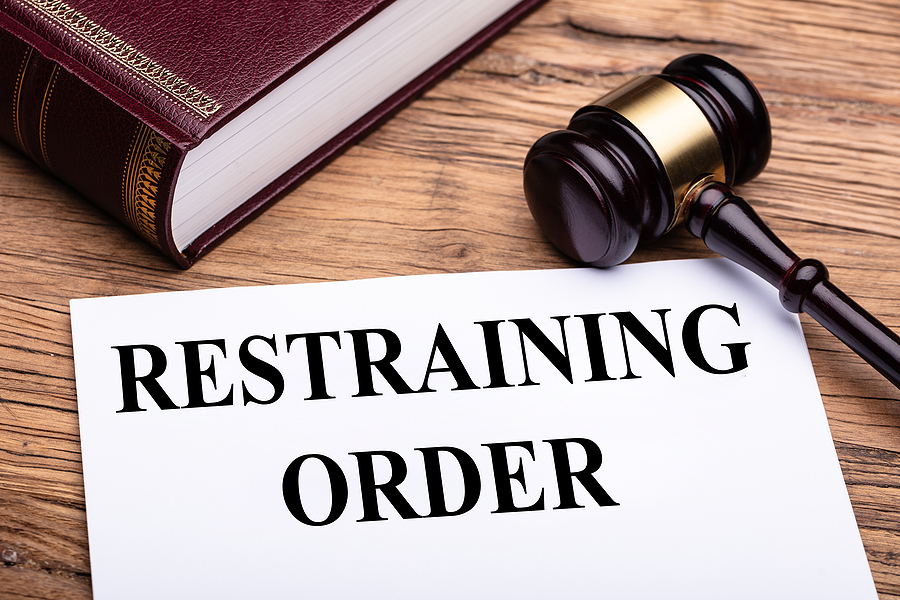
Does Someone Need Proof to Issue a Restraining Order Against Me?

Have you recently had some toxic relationship troubles? Or perhaps a person at work feels threatened by you? Maybe a family reunion over the holidays went bad at some point in the celebratory revelries? Regardless of the circumstances that got you here, facing a restraining order is not something anyone wants to deal with. Unfortunately, just about anyone can petition for a protective order against another person, so long as they have valid justification to do so. But what makes a restraining order request valid in the eyes of the law? Or at least the presiding judge?

Continue reading to learn more about restraining orders, including what is needed to officially put one into motion, and what to do if you violate one.

Indiana Restraining Order Violation Attorney
Indiana Restraining Order Violation Attorney 317-636-7514

Restraining Orders are Court-Ordered Documents

A restraining order is a court-ordered document that legally mandates a defendant (the person the order is against) to stay a specified distance away from the plaintiff (the person filing the order). In most cases, such orders are issued in situations of domestic violence or stalkers. However, they are often issued in legal matters regarding bullying, harassment, provocation, voyeurism, and similar threatening behaviors. It is against the law for a person named in a restraining order to violate any of the terms decreed.

The Process of Filing for a Restraining Order

The process of filing a restraining order is very similar to any other type of court filing process. You would go to the local courthouse, fill out the proper documents given to you by the clerk, and submit the paperwork as instructed. From there, a hearing will be scheduled in which you and the person named in the restraining order will be mandated to appear.

After delivering the facts of the case, the judge will decide if you have provided valid facts that justify granting you a restraining order against the defendant. At this same hearing, the defendant will also have the opportunity to tell their side of the story. If you are the one named in the order, it is vital to have a criminal defense lawyer represent you at this hearing.

Types of Proof

The person filing for a restraining order holds the burden of proving that they are indeed in some form of danger. They must provide facts to the judge that show the defendant is threatening and unwilling to stay away at the plaintiff’s repeated requests. Such proof might include text messages, emails, witness statements, photographs, surveillance video, police reports, and medical records. Word of mouth is not enough to convince a judge to grant a restraining order against a person.

Temporary Restraining Order (TRO)

A temporary restraining order (TRO) is basically the same thing as a standard restraining order, with the only real difference being time. Standard restraining orders, once granted, are kept active until the filer drops the order of protection. Temporary restraining orders are short-term, and only remain in effect for 15 to 20 days. They are mostly used in situations of domestic violence, as well as victims of verbal, emotional, and mental abuse.

Protective Orders Vs. Restraining Orders

Protective order is just another term for restraining order. The exact term used in court proceedings varies among jurisdictions, but they do mean the same thing. Here in Indiana, we use the term, protective order.

What to Do if You Violate a Protective Order in Indiana

Call the Law Office of David E. Lewis at 317-636-7514 to learn how to protect yourself after violating a restraining order in Indianapolis, Indiana. Attorney David E. Lewis offers free initial consultations, so you do not have to pay anything to simply talk to a lawyer and get advice on how to approach your potential or pending charges. Call 317-636-7514 to schedule your online, over-the-phone, or in-office appointment, today.

Indianapolis Criminal Defense 317-636-7514
Schedule a Free Consultation Today!

How are Federal Laws Different From State Laws?

If you were recently arrested in Indiana, you could be facing either misdemeanor or felony charges. At a basic level, misdemeanors are charges brought against you at a state level, while felonies are charges brought against you on a federal level. How are these two levels of laws different from one another? Continue reading to learn more about federal and state law, and what you should do if you are facing charges in Indiana right now.

FEDERAL CRIMES

VS.

STATE CRIMES

Federal Laws Versus State Laws

Federal Crimes

Felonies are federal crimes that are illegal under federal law. Crimes committed on federal property are also made illegal under federal law. There are several types of federal-level offenses. Some of the most common examples of felony crimes here in Indiana include white collar crimes like tax fraud, bank fraud, embezzlement, and counterfeiting, as well as other types of serious crimes like grand theft auto, sexual assault, kidnapping, armed robbery, firearm crimes, civil rights offenses, and of course, murder.

LEVELS OF FELONIES IN INDIANA:

Murder – Most Serious
Level 1 Felony
Level 2 Felony
Level 3 Felony
Level 4 Felony
Level 5 Felony
Level 6 Felony – Least Serious

Misdemeanor Crimes

Misdemeanors and infractions are state crimes that are illegal under state law. Like federal offenses, there are many types of misdemeanor and low-level crimes that are illegal under state and local laws. Both residents and visitors of the state are vulnerable to prosecution, including businesses and franchised businesses. The most prevalent misdemeanor crimes committed in Indiana include DUI’s, drugged driving, assault and battery, theft, drug crimes, burglary, disorderly conduct, probation violation, public intoxication, disturbing the peace, and traffic infractions.

Misdemeanor crimes are categorized into three “Classes” based on the seriousness of the crime: Class A, Class B, and Class C. They are punishable by up to 1 year in an Indiana Department of Corrections facility, fines up to $5,000 (not including court costs and probation fees), and several other penalties which include: suspended drivers’ license, probation, routine urine screening, community service, alcohol/drug education, victim impact panels, high risk auto insurance, and more.

Aggressive Criminal Defense for Felony and Misdemeanor Arrests in Indiana

Call the Law Office of David E. Lewis at 317-636-7514 to schedule a free initial consultation with aggressive Indiana criminal defense attorney who will stop at nothing to protect your rights and preserve your freedoms. With decades of hands-on experience, you can trust Attorney David E. Lewis to build you a strong and impactful defense against your Indiana criminal charges.

Indianapolis Criminal Defense 317-636-7514
Schedule a Free Consultation Today!

Will I Be Arrested for Writing a Bad Check?

When a person writes a check and presents it to a bank or merchant, and does so knowing that their bank account cannot cover it, they are committing a crime called check fraud. Passing a bad check can be defended in court by claiming “you did not know” if the state cannot prove intent. This is because passing a bad check is sometimes unintentional, and rather, a result of poor or irresponsible banking practice. On the other hand, there are countless cases of intentional check fraud, ranging from petty to white collar.

What happens to a person who knowingly writes a bad check? Continue reading to find out.

Indiana Bank Fraud Lawyer
Indiana Bank Fraud Lawyer 317-636-7514

Intentional and Knowing

In order for a person to be convicted of check fraud, the state must prove that the defendant wrote and submitted the check knowing that there was not enough money in the account to cover the amount. This court standard is called “intentional and knowing”, and it is the primary element to every check fraud case. If a person is simply bad at balancing their check book, it is possible that they did not knowingly write a bad check.

In this case, the state could not prove intent, so the court could not convict the defendant of check crime. However, the defendant can still be held liable in civil court for any bad checks written. In civil court, they can be ordered to pay restitution to the merchant that received the bad check. Not paying back restitution could lead to more lawsuits and poor credit scores.

What to Do if You Write a Bad Check

If you accidentally write a bad check, you must resolve the situation immediately in order to show you are not trying to defraud anyone. This means paying back the bank for any overdrafts and associated fees, or paying back the merchant who cashed the check. In these cases, time is of the essence, so be sure to act fast. Even a phone call to notify the merchant can help avoid criminal charges from being filed.

Intentional Check Fraud

If you intentionally wrote a bad check, it is not likely that the police will come knocking at your door to arrest you. Instead, the state will issue an arrest warrant and you will need to surrender to the jail and then post bail. If you are worried about being arrested or caught, you need to speak with a licensed criminal defense lawyer right away. They can help you develop a plan that best protects your rights and prevents the maximum penalties for your charges.

Here in Indiana, bank fraud is generally charged as a Level 6 Felony. This is punishable by up to 3 years in prison, up to $10,000 in fines, and several other court-ordered penalties.

How to Beat Your Indiana Bank Fraud Charges

Call David E. Lewis, Attorney at Law, at 317-636-7514 right away if you are facing criminal charges for bank fraud in Indiana. Our skilled criminal defense lawyers retain decades of trial and litigation experience in criminal law and will get to work the very same day you hire us. We will instantly begin investigating your case and building a powerful defense on your behalf. And if we must, we will take your case to trial if we have to, and challenge any evidence brought against you in an effort to obtain the most favorable resolution possible. Schedule a free consultation to discuss your legal options today.

Indianapolis Criminal Defense 317-636-7514
Schedule a Free Consultation Today!

Can I Be Arrested for Prank Calling?

Most Americans have gleeful childhood memories of prank calling neighbors and friends during sleep overs. But have you ever thought about how this seemingly innocent practical joke can lead to real life legal troubles? Generally, children and adolescents who make prank calls are not likely to get in trouble with the law. However, there are some forms of prank calling that could be considered illegal. Whether as a concerned teen who thinks they took a call too far, or a parent who knows their kids enjoy this common, juvenile pastime, it important to be knowledgeable on all possible consequences.

Continue reading to learn when prank calling crosses the line, and can get you or your child arrested or indicted on criminal charges.

Indiana Disorderly Conduct Lawyer
Indiana Disorderly Conduct Lawyer 317-636-7514

When Prank Calling Goes Too Far

Prank calling, as mentioned, is a common and generally innocent juvenile pastime. In most cases, such calls are perfectly harmless, and in worse case scenarios, really only cause frustration and confusion on the other end of the connection. But there are times when certain types of calling can cross the line into illegal activity. In the case of going too far or crossing the line, the potential types of crimes a prank caller could be charged with include harassment, disorderly conduct, hate crimes, or wiretapping.

Possible Prank Call Criminal Charges

Harassment – The crime of harassment sits on a wide spectrum. When it comes to prank calling specifically, the act can turn into harassment if the calls are persistent, such as consecutive calls in a short period of time or calling every day. They can also be considered harassing if a prank caller is repeatedly calling to make threats.

Disordering Conduct – Many states, including Indiana, consider making abusive, threatening, or offensive language a form of disorderly conduct, which is an illegal act. Being verbally abusive on a prank call can be against the law, and lead to the arrest of a prank caller if the person being pranked feels threatened or suffers damages like mental trauma or anxiety attacks.

Hate Crimes – When prank calling is about abusing a person or family based on their gender, race, ethnicity, religious beliefs, vocation, sexual orientation, or any other characteristic of their life, it can be deemed a hate crime. Hate crimes are illegal, and will be investigated and penalized according to law.

Wiretapping – If a prank caller records the conversation without the person’s consent, it can be considered wiretapping. Many states decree wiretapping as against the law, so if caught, a prank caller could face legal penalties, whether the person called presses charges or not.

Where to Get Criminal Defense for Your Harassment Charges in Indiana

Call the Law Office of David E. Lewis at 317-636-7514 to schedule a free initial consultation with aggressive criminal defense lawyer who will stop at nothing to protect your rights and preserve your freedoms after being charged with harassment or disorderly conduct in Indiana. With decades of hands-on experience, you can trust Attorney David E. Lewis to build you a strong and impactful defense against your Indiana criminal charges.

Indianapolis Criminal Defense 317-636-7514
Schedule a Free Consultation Today!

4 Reasons to Fire Your Lawyer and Hire a New One

There are thousands of reasons why a client may want to fire their current lawyer and hire a new one. Of these countless reasons, there are 4 in particular that may indicate you are being poorly represented. Continue reading to learn what to examine when deciding whether or not your lawyer is meeting your legal needs.

Indiana Criminal Defense Law Firm
Indiana Criminal Defense Law Firm 317-636-7514

Thinking About Dropping Your Lawyer? Here are 4 Good Reasons You Should:

Your Lawyer is Unprofessional.

There are many signs that indicate a lack of professionalism, from being on time and neatly dressed, to behaving in a respectful and dignified manner. More importantly, if your lawyer is seemingly disorganized, not properly preparing for court hearings, wasting time in meetings, mishandling your funds, losing important documents, and similar behaviors, it may be time to end that relationship and move onto more professional representation.

Your Lawyer Does Not Communicate.

Communication is the key factor between an attorney and their client. Without proper communication, it is very challenging to resolve matters and issues. If your lawyer is not returning your repeated phone calls and emails, or ignoring your questions and requests, it could be a cause for concern. When you feel like you are working too hard to get in touch, or begging for information, your lawyer may not the best fit for your case.

Your Lawyer Lacks Sufficient Knowledge of the Law

If it seems like your lawyer does not understand your case, or is having trouble grasping the laws surrounding your case, it is never a good sign. Experience and expertise are top qualities to look for in an attorney; after all, you have hired them because they know the law and you do not. Whether your lawyer is deviating outside of his actual area of expertise, or they are simply fresh out of law school, your best move is to find a seasoned Indianapolis attorney to represent your case.

You Have Opposing Views on How to Handle Your Case

There are many ways you and your lawyer might disagree on how to handle your case. Although there is nothing out of the ordinary for a lawyer to encourage a client to settle for less than they actually want (or lower than originally thought possible), if your lawyer is trying to force you into a plea deal, this is a bad sign. Your lawyer’s job is to constantly reassess your case and recommend options that are in your best interest. If this is not happening, you may need to find a new lawyer.

Where to Get Trusted Criminal Defense in Indiana

Call the Law Office of David E. Lewis at 317-636-7514 to schedule a free initial consultation with aggressive Indianapolis criminal defense lawyer. Attorney David E. Lewis will stop at nothing to ensure you are not sentenced to the maximum penalties when facing any level or number of criminal charges. With decades of hands-on experience, you can trust our law firm to build you a strong and impactful defense against your Indiana criminal charges.

Indianapolis Criminal Defense 317-636-7514
Schedule a Free Consultation Today!

What Does a Lawyer Do at a Preliminary Hearing?

When a person is arrested, the first court hearing they will have regarding their charges is called an arraignment, or first appearance. This hearing is usually held within 24 to 48 hours of the arrest, and generally takes place while the defendant is still detained in jail. The purpose of an arraignment is for a judge to explain the criminal charges to the defendant, allow the defendant to plea if they choose to, determine if they are eligible for bail or not, and assign a public defender to their case if they have not already hired a lawyer by this time. Once the defendant is bailed out of jail, another hearing is scheduled, which is often confused with arraignments. This following hearing is called an initial hearing, or preliminary hearing.

Continue reading to learn more about the facts surrounding preliminary hearings, including a defense lawyer’s role in it all.

Indianapolis Indiana Criminal Defense Lawyer
Indianapolis Indiana Criminal Defense Law Firm 317-636-7514

What to Expect at a Preliminary Hearing

A preliminary hearing is typically scheduled within 20 to 30 days of an arrest, and only lasts a couple of hours. It takes place in an open court with a judge, prosecuting attorney, and the defendant’s attorney in attendance. During this hearing, a judge determines whether or not the Prosecutor has enough probable cause to move forward with the criminal charges against a defendant. More or less, a preliminary hearing is an opportunity for the prosecution’s charges to be judicially reviewed and confirmed valid by the magistrate assigned to the case.

So, if this hearing is all about the prosecutor and judge, what does a criminal defense attorney do during this time? The answer is incredibly vital to the outcome of a defendant’s rights, freedoms, and future.

A Criminal Lawyer’s Role at an Initial Hearing

At the preliminary hearing, a criminal defense lawyer is already prepared to fight their client’s criminal charges. By this hearing, they have developed a strong and impactful case (if the defendant has hired a good lawyer, that is) that aims to dismiss, reduce, or further analyze a defendant’s charges prior to going to trial. They make sure that any charges brought against their client are not inadmissible, illegal, or without sufficient probable cause. During a preliminary hearing, a criminal defense lawyer will also work their professional magic by cross-examining witnesses, presenting their own evidence to refute the prosecution’s allegations, and set forth any relevant motions.

Preliminary hearings protect defendants from unjustified, false, or impractical charges by the prosecution. Without a private criminal defense lawyer working your case, you will not get the best possible outcome at your preliminary hearing.

A public defender simply cannot put in the time, attention, and effort into your criminal case like a private attorney can. Their case loads are too massive, and they have handfuls of cases they deal with in court each and every day. When it comes to serious criminal charges that can impact the rest of your life, and your family’s life, you want to hire an attorney, rather than be appointed one by the courts. The cost of a lawyer is worth avoiding jail time, and/or the maximum sentence for your criminal charges.

Indianapolis Indiana Criminal Defense You Can Truly Afford

Call the Law Office of David E. Lewis at 317-636-7514 to schedule a free initial consultation with aggressive Indiana criminal defense lawyer who will stop at nothing to protect your rights and preserve your freedoms. With decades of hands-on experience, you can trust Attorney David E. Lewis to build you a strong and impactful defense against your Indiana criminal charges.

Indianapolis Criminal Defense 317-636-7514
Schedule a Free Consultation Today!

How to Avoid Drinking and Driving This Thanksgiving

According to the National Highway Traffic Safety Administration (NHTSA), this holiday weekend historically has more vehicles on the roadways than any other time of the year. As a result, Thanksgiving weekend also happens to be one of the deadliest times of year, as the number of accidents and fatalities increase in parallel to the increase of cars on the road. Although there are several different reasons why so many more accidents take place around the last week of November, one of the top causes is intoxicated driving. Not only are there more people traveling on the road to reunite with friends and family for the holiday, but more people are also imbibing as a traditional way to celebrate the occasion.

Unfortunately, drinking and driving do not mix, and the seasonal car accident statistics reveal that all too well. If you plan on enjoying a few beers, cocktails, or glasses of wine over the holiday weekend, be sure you have rock solid plans for alternative transportation. In addition to potentially causing a car accident, driving under the influence puts you at a higher risk of being pulled over by police for a DUI.

Continue reading to learn some tips on how to avoid drinking and driving this weekend, and who to call if you are arrested for a DUI on Thanksgiving.

Indianapolis DUI Attorney
Indianapolis DUI Attorney 317-636-7514

You Don’t Have to Drink and Drive on Thanksgiving

There is really no reason to drink and drive on Thanksgiving considering the fact that there are plenty of alternatives you can choose from, all of which are very affordable. As mentioned, driving under the influence, whether drugs, alcohol, or prescription medication, puts you at risk of causing serious car accident and hung yourself or worse, somebody else. Even if you feel like you’re perfectly fine to drive, or you only had a few, you still may be over the legal 0.08% BAC limit, and you may happen to pass by a DUI checkpoint.

If you are pulled over by law enforcement breathalyzer reads higher than the legal limit, you can be arrested and charged with DUI, which subsequently results in attorney fees, court fees, fines, community service, probation, and several other core over penalties, including possible jail time. Basically, drinking and driving is never worth it. Any alternative available to driving drunk is much cheaper than a DUI, and delivers a much better outcome than causing yourself or anyone else harm.

Tips to Avoid Getting Behind the Wheel This Thanksgiving Weekend:

?? Designate a Driver. If you know you’re going to be drinking at the place you are going to be eating and celebrating Thanksgiving dinner, simply plan ahead for a safe ride. Ask a friend or family member who will be attending to take you home after the celebration is over if they are someone does not drink alcohol. Or simply designate yourself as the sober driver by not drinking at all. You can also designate a ride-share driver for the job.

?? Use a Ride-Share App. Ride-sharing apps are all the rage these days, mostly because they are so affordable and convenient, but also because they save lives by offering a fast and inexpensive alternative to driving drunk. If you cannot arrange a ride ahead of time for your Thanksgiving celebrations, simply download a popular ride-sharing app, such as Uber or Lyft, to catch a cheap ride home. Compared to taxis, they are a fraction of the cost and only minutes away on demand.

?? Stay the Night. If you are celebrating Thanksgiving somewhere you are very comfortable or familiar with, such as a close relative’s home or friend’s house, plan to simply stay the night instead of driving home. Not only does this give you more quality time to spend with your loved ones this holiday, but it also takes away any pressure of waking up from that post-turkey nap! So long as you have a good 8 hours of sleep, plus a good breakfast, you should be safe to drive home in the morning.

Thanksgiving DUI Arrests Can Happen to the Best of Us

If you or a loved one is arrested on Thanksgiving for driving under the influence in Indianapolis, contact a criminal defense lawyer as soon as you are released from jail. The sooner you arrange legal representation, the more time your attorney has to save your driving privileges, as well as build you a strong case to avoid the maximum penalties for your charges.

An Aggressive Indianapolis DUI Lawyer You Can Trust

Call Attorney David E. Lewis at 317-636-7514 for aggressive DUI defense in Indianapolis, Indiana that doesn’t back down. Our licensed DUI defense lawyers will work around the clock to protect your rights and preserve your freedoms, including your driving privileges. We offer free initial consultations to discuss your charges and the best strategies for defense. Contact us today to learn your rights and get started on your defense!

Indianapolis Criminal Defense 317-636-7514
Schedule a Free Consultation Today!

What is the Difference Between Aggravating and Mitigating Factors?

It is common knowledge that magistrates of the court have extensive discretion when handing down criminal sentences. Although there are advisory sentences in almost all states, the judge has the ultimate say in how a convicted criminal will serve their sentence. But what sways the mind of a judge when deciding on how to sentence someone? What influences their final decision? Well, there are various factors that courts and judges use to determine a fair and fitting sentence for the type of conviction and particular person. Two of the most influential, however, are mitigating factors and aggravating factors.

Continue below to learn the difference between mitigating factors and aggravating factors, and where to turn for help with your pending criminal charges.

Indianapolis Indiana Criminal Defense 317-636-7514

Aggravating Factors are Not to a Defendant’s Advantage

Aggravating factors are any elements of a criminal case that make the crime worse. Basically, there are types of criminal offenses that are particularly reckless, careless, cruel, or otherwise heinous in some way. If a judge observes aggravating circumstances to your criminal case, it is not a good thing. Fortunately, you have wisely chosen to hire private Indianapolis criminal defense lawyer to protect your rights, minimize your penalties, and keep you out of jail. If you have a public defender, you are gravely at risk of being sentenced to the maximum penalties for your crime and all relevant aggravating factors. There are 11 aggravating circumstances decreed by statute here in Indiana.

Examples of Aggravating Factors:

✏ Having a history of criminal or delinquent behaviors

✏ Causing harm, injury, loss, or damage to another

✏ Knowingly committing a crime in the presence of children or minors

✏ Committing a crime after violating probation or parole

Mitigating Factors are Beneficial to a Defendant’s Case

Oppositely, mitigating factors are any elements or circumstances of a criminal case that lessen the severity of the offense. But similar to aggravating factors, there are 11 mitigating circumstances decreed by state statute. For instance, if a person committed a crime as a result of extreme provocation, has no history of criminal activity or delinquent behavior, or the crime did not result in bodily or property damage, a judge might consider these as mitigating circumstances.   

To reach a sentencing decision, judges typically take into account the total number of mitigating circumstances versus any aggravating ones. However, they also consider the difference in weight. Depending on which factors outweigh the others, a judge will choose to reduce or increase a defendant’s sentence. With a seasoned criminal defense attorney on your side, you don’t have to worry about being sentenced to the maximum penalties for your charges. Be sure to hire one as soon as you are released from jail, or receive a notice of indictment.

Where to Get Trusted Indianapolis Criminal Defense You Can Afford

Call the Law Office of David E. Lewis at 317-636-7514 to schedule a free initial consultation with aggressive Indiana criminal defense lawyer who will stop at nothing to protect your rights and preserve your freedoms. With decades of hands-on experience, you can trust Attorney David E. Lewis to build you a strong and impactful defense against your Indiana criminal charges.

Indianapolis Criminal Defense 317-636-7514
Schedule a Free Consultation Today!

Can I Expunge My Arrest if I Am on Probation?

Depending on the state you live in, or the state your charges are filed in, the criminal process of expungement, including the statutes that surround it, will differ slightly. It is best to discuss criminal record expungement with a licensed attorney that has undertaken expungement law in their practice. Choose an attorney that is well-versed in your state’s new or changing expungement laws, and you can rest assure knowing your application is in good hands.

Continue reading to learn which factors can have your application for expungement denied, and whether or not you can apply while on probation for a previous crime.

Arrest Record Lawyer 317-636-7514

Your Possible Eligibility for Arrest Record Expungement

There are several factors that influence whether or not a person is eligible for criminal record expungement. Primarily, the person has to be crime-free and arrest-free for a number of years, and at the same time, a certain number of years must pass from the date of the criminal charge they wish to expunge. Depending on the charge, crime, and extent of criminal record, the time that must pass will vary. Generally, it must be at least 5 to 8 years for misdemeanors and felonies in Indiana, but can be up to 10 years for more serious crimes. Again, these time obligations vary depending on the state the charges were originally filed in.

For more serious felony crimes, like sexual offenses or manslaughter, are never eligible for expungement. This does not vary from state to state. And to answer the original question of applying for expungement while on probation is no. If a person has pending charges or is on probation for a recent crime, they are not eligible for criminal record expungement, and must wait at least five years from the date of their last arrest before they become eligible again. But depending on the criminal charges, it could be between 8 and 10 years.

What You Need to Do First

It is best to speak with a licensed criminal defense attorney who specializes in Indiana appeals and expungement to learn more about your eligibility. They can evaluate your case and determine the best strategy for your defense. They will be able to facilitate the entire application process for you, correctly. You only have one chance to apply and be granted expungement, once you do so, you can never do so again. So, it is imperative to have an experienced criminal defense attorney help you through the process.

Where to Get Started With Criminal Record Expungement in Indiana

Call David E. Lewis, Attorney at Law at 317-636-7514 to learn more about expunging or appealing your arrest records in Indiana. He is prepared to help you get the fresh start in life that you deserve! Best of all, his services start as low as $850, so you can afford to clean up your record just as much as the next guy. Call 317-636-7514 to schedule a free initial consultation, today.

Indianapolis Criminal Defense 317-636-7514
Schedule a Free Consultation Today!