How to Keep Yourself Safe During a Cop Stop

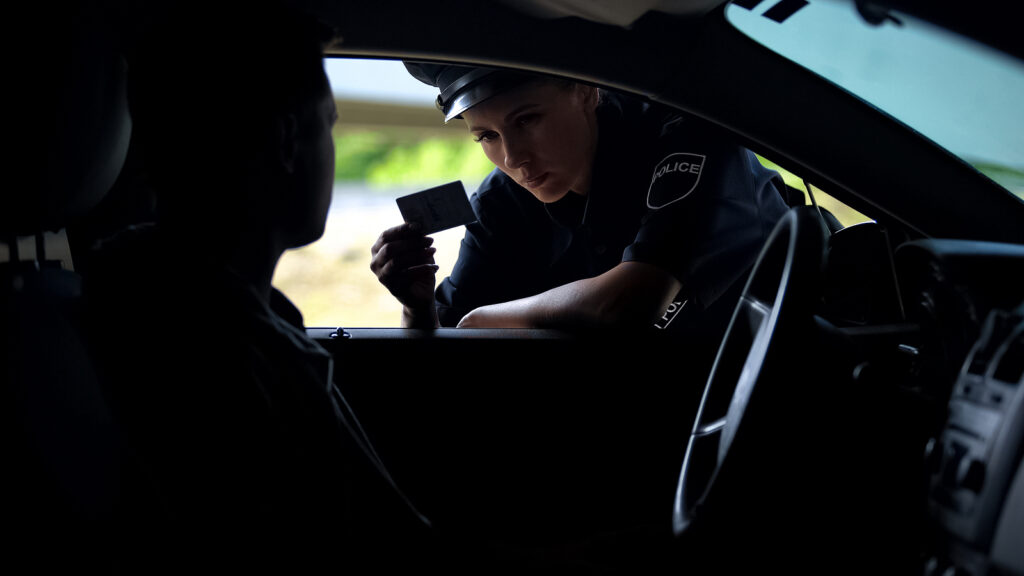
From police brutality and abuse of authority to the BLM movement and beyond, cop stops have taken on a more serious stigma in recent times. If not careful, anyone may potentially be subjected to an unsafe cop stop. In just a few short moments, police encounters can evolve into dangerous and self-incriminating situations for those who are being detained.

Continue reading to learn how to keep yourself safe during a cop stop, plus who to contact in Indiana if you have been wrongfully charged with a crime or mistreated by law enforcement during an arrest.

Wrongful Arrest Lawyer Indianapolis Indiana 317-636-7514

Ways to Stay Safe During a Police Encounter

Whether you are being pulled over in your vehicle by a police officer on the road, stopped by a law enforcement official on the street for questioning, or visited by one at your house, there are plenty of Do’s and Don’ts to keep in mind in order to keep yourself safe from harm and undo arrest. Even if you are visiting the police station to be interviewed for information you might have on recent crime, it is important to utilize these tips for the same reasons.

What To Do During a Cop Stop

In the case of all police encounters, these are the top 4 most important things to do to keep yourself safe from harm or an unjust arrest:

☑ SHOW YOUR HANDS
☑ KEEP STILL
☑ STAY CALM
☑ BE PATIENT

Getting Pulled Over in Your Car

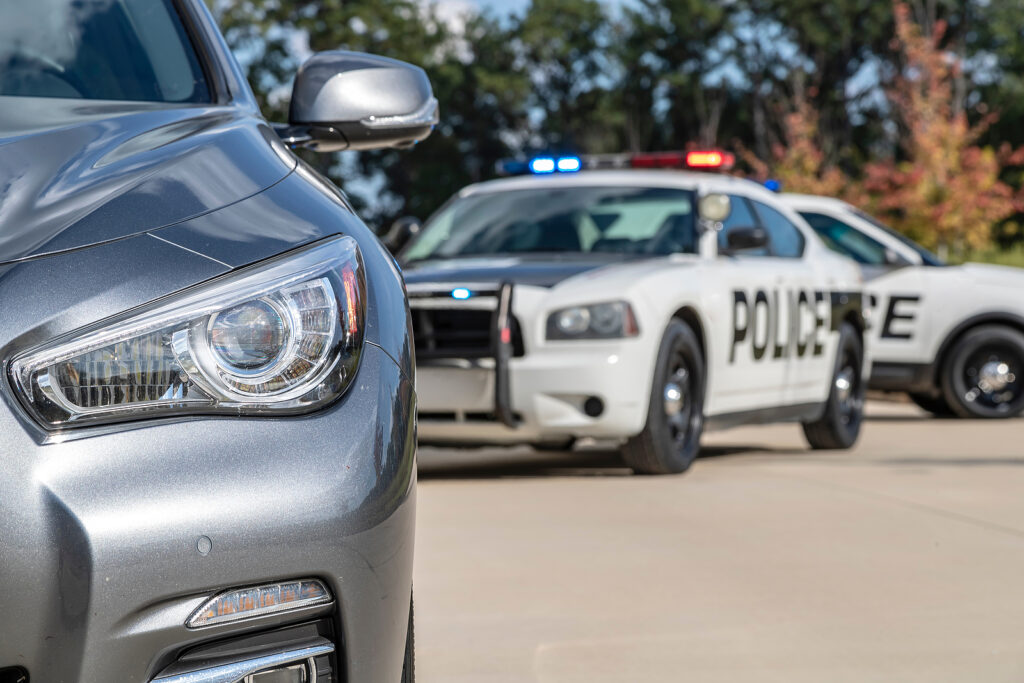
If you are getting pulled over by a police officer while driving, begin to slow down at a safe pace, then immediately pull over to the right side of the road. Remain in the driver’s seat until the law enforcement official approaches. Never attempt to get out of your car nor switch spots within the vehicle.

If the police officer asks to search your car, you can legally tell them no. They may search your car anyway; in such case, it is important to remain calm and continue cooperating. You can safely address this wrongdoing later on with an attorney by your side.

In the case that a police office suspects you have been drinking alcohol and wants you to take a breathalyzer or field sobriety test, if you do not comply, your drivers’ license will be automatically suspended for 6 months. This is an agreement you make when you register your vehicle with the state. If this happens, you have 10 days from the time of arrest to have it reinstated. If you miss the deadline, you may qualify for other possible drivers’ license options following a DUI.

Being Frisked By Police

When being searched and patted down by a police officer, it is important to demonstrate the top four key principles, which include keeping your hands visible, keeping still, staying calm, and being patient. You never want to resist when a cop is trying to pat you down or search you.

Being Visited at Your House By a Cop

If a cop decides to come by your home to question you or serve you, it is important to first ensure they are actually an official law enforcement officer. This is easy to do with a polite and simple request to view their badge. Never have an attitude with the police officer at your door.

You do not have to allow the police officer inside unless they have a search warrant. Be sure to check that it is a valid search warrant if a cop declares they have one. It is also recommended to ask another occupant (preferably an adult) within the home to join you as a witness to the encounter.

Getting Arrested During a Traffic Stop

In the case that you are being arrested after being pulled over by police, there are a few things you can do to ensure the best possible outcome in addition to the four key principles mentioned before. First ask the police office to lock your vehicle. The cops may allow you to do it yourself if you are cooperating and being polite.

Obey the police officer to the fullest extent but remain as quiet as possible. Try not to ignore them if they’re asking questions. You can simply state, “I am not trying to be rude, but I do not wish to speak until my lawyer is present.” Never resist or attempt to put your hands on a police officer during cop traffic stop. Simply remain calm and still. If you are minor, ask the police officer if you can call your parents.

Do you believe that you are wrongly arrested and charged with a crime in Indiana? Do you believe you were illegally mistreated during a cop stop? Contact the Law Office of David E. Lewis at 317-636-7514 to connect with one of our esteemed criminal defense attorneys in Indianapolis, Indiana. We can meet over the phone, via online video conference, or in person at our office.

Related Posts:

What You Should Do if You are Pulled Over for a DUI
Can a Cop Be Fired For Inappropriately Using a Non-Lethal Weapon?
Can a Cop Arrest a Kid?

What is the Punishment for Resisting Arrest in Indiana?

After the holiday season, there are many things we are trying to resist in the New Year, like confectioneries, milkshakes, and pizza pies. But when it comes to being arrested, resisting is not something that will help you reach your goals, no matter what they may be. If you are ever confronted by the police, whether in a routine traffic stop, street stop, or home visit, it is critical to your future and your freedoms to cooperate with the authorities to the fullest extent. Failing to cooperate with the instructions or requests of law enforcement can subject you to charges of resisting arrest. There are hefty penalties for such charges upon a guilty conviction, including fines and possible jail time.

Continue reading to learn what they are, plus what you need to do right away if you were just released on bond for a resisting arrest charge in Indiana.

Resisting Arrest Attorneys Indianapolis IN 317-636-7514

What is Resisting an Arrest?

You are guilty of resisting an arrest by law enforcement officials when you knowingly or intentionally use force to resist an arrest or interfere with a police officer while they are legally performing their official duties. A person can be charged with resisting an arrest if they behave this way toward a person who is assisting a police officer too.

Other forms of resisting arrest include:

By force, resisting or interfering with official court services or authorized criminal processes. An example of this would be resisting a search warrant being executed by police or disrupting someone being served with legal documents.

Running away from law enforcement after a police officer identifies themselves and orders the person to stop for questioning. Cops can legally identify themselves to citizens audibly, visibly, or by turning on their emergency lights and sirens.

Resisting Arrest Laws in Indiana

The laws surrounding the act of resisting law enforcement is found in Indiana Code, Title 35, Article 44.1, Chapter 3, Section 35-44.1-3-1. Upon a guilty verdict, defendants may face several types of court-ordered penalties, including fines, community service, classroom education, rehabilitation, probation, ankle monitoring, and jail time.

The crime of resisting arrest is charged differently depending on the details and circumstances of the incident. Charges range anywhere between a Class A Misdemeanor to a Level 2 Felony.

Class A Misdemeanor:
Fines up to $5,000
Jail up to 1 Year

Level 2 Felony:
Fines up to $10,000
Jail up to 30 Years (Advisory Sentence of 17.5 Years)

Related Crimes One Might Be Charged With:

▶ Disarming a Law Enforcement Officer
▶ Refusal to Aid an Officer
▶ Escaping Law Enforcement

Because legalese is very complicated to comprehend, it is important to consult with a licensed criminal defense lawyer in Indianapolis to ensure you are fully educated on whatever charges you are facing in Indiana currently.

Are you looking for qualified criminal defense that can reduce or dismiss your resisting arrest charges in Indiana? Contact the Law Office of David E. Lewis at 317-636-7514 for superior and aggressive Indianapolis criminal defense you can count on. We can meet over the phone, via online video conference, or in person at our office.

Related Posts:

Did Your Arresting Officer Violate Your Miranda Rights?
Read This if You Were Arrested But Not Convicted in Indiana
What are My Constitutional Rights After Being Arrested?

Can I Get Arrested for Threatening Someone?

We are likely all guilty of making threats from time to time. But threatening to run away from home or quit a job is a lot different than the type of threat that intimidates or harasses another. This type of threat is illegal. If you are wondering whether you could get arrested for threatening someone, the answer is, yes.

Continue reading to learn what constitutes an illegal threat, what penalties one may face if charged, and how to beat your criminal charges if arrested for the same offense in Indiana.

Extortion Lawyer Indianapolis Indiana 317-636-7514

Indiana Laws on Harassment and Intimidation

Here in Indiana, if you threaten somebody, you are breaking the law, even if you never make physical contact with them. The act of threatening somebody can be described as remarks or statements that intimidates or places another person in fear. The actual law surrounding these types of offenses are incredibly complex and require the consultation and guidance of an Indianapolis criminal defense lawyer. You can read the extent of these laws by reviewing IC 35-45-2-1 and IC 35-45-2-2.

Harassment

There are some legal differences between harassment and intimidation. Harassment generally consists of behaviors that pester, bully, alarm, or aggravate another. Examples of harassment include prank phone calls, as well as excessive, unwanted, or obscene text messaging, phone calls, voicemails, emails, and appearing at one’s place of employment or learning institution.

Intimidation

Intimidation can be described as forcing someone to do something against their will, such as deliver an advantage, pay up money, or turnover property. Acts of intimidation communicate a threat that places a person in fear of retaliation or harm, whether physical or economic. In Indiana, intimidation is charged as a Class A misdemeanor, but in more serious circumstances, it could be charged as a Level 6 Felony.

Intimidation can be charged as a level 6 felony if it involves a police officer, school employee, church staff member, probation department employee, community corrections department employee, hospital employee, or even a witness in a pending criminal case. Upon conviction, a defendant can be sentenced up to two and half years in jail. Intimidation by use of a deadly weapon Is charged as a level 5 felony which is punishable by up to 6 years in jail.

Extortion

One of the most serious kinds of legal threats in the criminal justice world is extortion, which is a felony charge no matter where you are in the United States. If you threaten or intimidate somebody for the purpose of gaining property, advantage, or money, you are committing the crime is extortion. One example of extortion is blackmail.

Do you want to avoid the maximum penalties for your intimidation charges in Indiana? Contact Attorney David E. Lewis at 317-636-7514 to schedule a free initial consultation with a seasoned Indianapolis IN criminal defense lawyer you can trust. We also represent defendants charged in Indiana but who live in another state.

Related Posts:

Can I Be Arrested for Intimidating Someone?
The Difference Between a No Contact and Protective Order
What to Do if You are Facing Felony Assault Charges in Indiana

5 Types of Probable Cause for DUI Traffic Stops

Although the facts will differ among all cases of drunk driving arrests, there is a general guideline that police officers use to determine probable cause in a DUI traffic stop. Continue reading to learn what signs and clues law enforcement look for to establish probable cause in a drunk driving arrest and what to do if you were recently charged with a similar offense in Indiana.

DUI Lawyers Indianapolis IN 317-636-7514

Reasonable Suspicion for Traffic Stops

When it comes to DUI traffic stops, it is important to understand the difference between reasonable suspicion and probable cause. In all cases of traffic stops, whether a driver has been drinking alcohol or not, law enforcement must have reasonable suspicion that a driver has committed a traffic violation or infraction before pulling them over. Once pulled over, law enforcement must then establish probable cause to make an arrest.

In order for a police officer to legally arrest a person for a DUI, there must be probable cause, which is evidence that supports an officer’s reasonable belief that a driver is intoxicated, or under the influence of a drug or controlled substance.

Reasons You Might Have Been Pulled Over for Drunk Driving

Both reasonable suspicion and probable cause can be a means to a DUI arrest. Police officers can use either principal, or both, to conduct a legal traffic stop and establish an arrest. The types of probable cause or reasonable suspicions can vary depending on each situation of intoxicated driving. However, these are the top 5 reasons why police officers pull people over and arrest them for drunk driving:

Traffic Violations

Traffic violations are one of the top reasons why people are pulled over, regardless of alcohol involvement. Common traffic violations include expired license plates, illegal U-turns, illegal parking, failure to use turn signals, ignoring traffic signs, running red lights or stop signs, and most recently, texting and driving.

Reckless Driving

Poor driving is another common reason why police officers pull people over. If a person is exhibiting bad or reckless driving, a cop can legally pull them over to conduct a traffic stop. Examples of reckless or bad driving include speeding, following too closely, failing to yield, ignoring traffic signs, driving too slow, and similar risky behaviors.

Car Accidents

Speaking of risky behaviors, law enforcement can use the occurrence of a car accident to establish reasonable suspicion to question a driver. Whether you are at fault for a car accident or not, police can question you, and if it comes down to it, arrest you for a DUI. They would need to make some observations to establish a legal basis for arresting you, though. See below to learn more.

Mid-Stop Observations

Once a police officer has pulled a driver over, they can continue their investigation by keeping their eyes open for tells or signs that a person has been drinking alcohol or using illicit drugs. A cop can establish probable cause and make a DUI arrest if they smell alcohol on your breath, hear you admit to having a drink earlier, see alcohol containers in your car, catch you in a lie, and more. Other signs that officers use as evidence of drunk driving include slurred speech, glossy or red eyes, dilated pupils, slowed movements, incoordination, insubordination, crying, and hostility.

BAC Testing

To really seal the deal and come in with some valid evidence to support their reasonable suspicion and probable cause, law enforcement relies on field sobriety testing and blood-and-alcohol (BAC) testing. Also known as chemical testing, a breathalyzer is one of the most common devices used during traffic stops to determine a driver’s level of alcohol in their system, and therefore, reveal how much they’ve had to drink within a 24 hour time period.

The legal limit is 0.08 percent BAC. If you blow this or more, you will be arrested on DUI charges. Upon being arrested, and with your consent, law enforcement will request to have your blood drawn and tested to confirm a precise BAC value.

Field sobriety testing is another strategy used by law enforcement to establish probable cause for a DUI arrest. Walking the line, touching the nose, and following the pen with the eyes are typical phases of a field sobriety test.

Were you recently arrested for a DUI or similar offense in Indiana? Contact the Law Office of David E. Lewis at 317-636-7514 for aggressive and skilled DUI criminal defense in Indianapolis, Indiana. Our teams work around the clock to reduce or dismiss your DUI penalties and avoid jail!

Related Posts:

What You Should Do if You are Pulled Over for a DUI
Top Myths About Breathalyzer Tests
What You Can and Can’t Legally Do When Stopped By a Cop

Indianapolis Criminal Defense 317-636-7514
Schedule a Free Consultation Today!

General Q’s and A’s Regarding the Indiana Expungement Law

If you are interested in learning about sealing or expunging your past arrest records, it is wise to gather as much information as possible to fully understand what to expect from the process. Not everyone qualifies for criminal record expungement; but just because you do not qualify now does not mean you won’t qualify later. Criminal record expungement is a complex law and an even more complicated process. It is vital that you seek professional legal counsel in order to properly petition for criminal record expungement in your state.

Get started by reviewing the common questions and answers about criminal record expungement, below.

Expungement Law Office Indianapolis Indiana 317-636-7514

Indiana Criminal Record Expungement

What is the Difference Between Expungement and Sealing?

An expungement is the process in which a petitioner asks the court to seal all court records and arrest information pertaining to a particular event on a person’s criminal record. Record sealing is very similar, except that if a person was arrested and found or pleaded guilty to a charge, then they can only apply to seal their criminal records.

This means these records will not be physically destroyed and will still be accessible by police, federal government, the FBI, immigration officers, and other public officials. But when criminal records and arrests are sealed, they are no longer visible on public background check databases or accessible by employers, landlords, and similar forms of the general public.

How Much Does Criminal Record Expungement Cost in Total?

The cost to seal criminal records varies from state to state, and from person to person. Since it is strongly encouraged to hire a lawyer to help with the petitioning process, the majority of the cost will go to paying your lawyer. Lawyer fees for this service can range anywhere from $75 to $250 or, per hour. In addition to lawyer fees, you can expect to pay legal and court fees that should add up to $150 or so.

Can I Petition for Criminal Record Expungement While on Probation?

A person will not qualify for record sealing if they are currently on probation for another crime. Furthermore, anyone with pending criminal charges will not qualify as well.

How Long Does the Criminal Record Expungement Process Take From Start to Finish?

The amount of time it takes from meeting with a lawyer and submitting your petition, to actually being granted expungement, depends on several factors. In most cases, the process takes an average of 6 months to a year. However, the process can take twice as long for more complex cases.

How Do I Get Started on My Criminal Record Expungement Application?

Expunging and sealing arrest records differs from case to case in many ways, but they both render the same wonderful benefits. It is very confusing to learn the process, rules, and guidelines to criminal record expungement; and there are several complicated variables that influences a person’s eligibility. This is why it is vital to hire an experienced Indianapolis criminal defense attorney to help you file for criminal record expungement accurately.

Are you interested in applying for criminal record expungement for 2022? Contact Attorney David E. Lewis at 317-636-7514 to schedule a free case evaluation with a licensed criminal record expungement lawyer in Indianapolis, Indiana.

Related Posts:

How to Appeal Your Indiana Criminal Sentence
Can All Criminal Records Be Expunged in Indiana?
Can I Expunge My Arrest if I Am on Probation?

Indianapolis Criminal Defense 317-636-7514
Schedule a Free Consultation Today!

What Will Happen if I Get Caught With a Fake ID?

Fake identification cards, like drivers’ licenses and state I.D.’s, are a common ploy among minors, especially around college campuses. Although stigmatized as an age-old right of passage for late teens transitioning into life on their own, or just a silly, harmless thing that college students do, the truth is that getting caught with a fake I.D. can land a person in a lot of trouble; more trouble than they think.

Continue reading to learn the typical penalties and ensuing consequences for getting caught with a fake I.D. in Indiana, as well as who to trust for aggressive criminal defense if you are arrested on related charges.

Fake ID Lawyer Indianapolis Indiana 317-636-7514

Fake I.D. Crimes in Indiana

Many kids do not realize the long-term consequences of being caught with a fake drivers’ license or state identification card. They assume that any criminal activity that takes place in their life before the age of 21 doesn’t matter and will not have an impact on their future. But this is wrong. Those with a fake I.D. charge or conviction on their criminal record will be judged by both the government and future employers.

Not only does the crime of using a fake I.D. imply dishonesty, sneakiness, and lack of morals, but it also implies that a person has poor decision making skills and perhaps even impulse control issues. Employers will take one look at a criminal background check of a person who has been convicted of such an offense and immediately move onto the next candidate.

This can happen to a person their whole life when searching for employment; permanent records remain with you forever. A person convicted of such offenses can also forget about jobs in finance, technology, engineering, or related high-security fields.

Consequences for Using a Fake ID

The first and foremost consequence of using a fake I.D. in Indiana is arrest. Law enforcement can search you for reasons of their own, and if they find your fake, they will arrest you on the spot for Possession of False Identity (IC 7.1-5-7-3), False Statements of Age (IC 7.1-5-7-1), Furnishing False Evidence of Identification (IC 7.1-5-7-2), or Counterfeit Government Issued Identification (35-43-5-2.5), or a combination of these charges.

If you are caught by a bouncer or bartender, most likely they will just keep your fake or cut it up in front of you, and then let you go home; however, some will immediately notify a cop or security staff, who will then detain you and have you formally arrested. Excise police regularly conduct fake ID stings, generally targeting college students and campus areas.

If the judge and prosecutor believe there is enough evidence to charge you with Possession of False Identity, you will be formally charged, and a court hearing will be set for you. Possible consequences upon being convicted can range in severity depending on your criminal history.

Indiana Fake I.D. Penalties Upon Conviction:

Class C Misdemeanor
► Up to 60 Days in County Jail
► Up to $500 in Fines
► 1 Year Suspended Drivers’ License
► Permanent Marks on Driving Record

College students can also expect a notice of disciplinary action from their university, separate from their state or federal penalties.

Are you looking for a qualified crime attorney who can protect you against the maximum penalties for your fake ID charges in Indiana? Contact Attorney David E. Lewis at 317-636-7514 to speak with a skilled and aggressive criminal defense lawyer in Indianapolis, Indiana. We can also help you seal or expunge your arrest records!

Related Posts:

A Fake ID Charge is More Serious Than You Think
Can College Students Face Academic Consequences for DUI Charges?
Important Laws That Pertain to Parents of Teenagers
Indianapolis Criminal Defense 317-636-7514
Schedule a Free Consultation Today!

Frequently Asked Questions About Police Breathalyzers

If you have ever been administered a breathalyzer test, you are familiar with how it works. Simply blow into the tube until you hear the beep. Then after a minute, a reading will appear. If a person is over the legal limit for alcohol, they will be arrested and detained for intoxicated driving. If they are not over the legal limit, they are generally issued a warning, or the police officer may choose to investigate further. Either way, it is important to know what a breathalyzer is and its purpose in law enforcement. Many people have questions about chemical tests, understandably, and are curious to find the right answers.

Continue reading to review some of the most frequently asked questions about breathalyzer testing, and who to trust for DUI criminal defense in Indiana.

DUI Lawyers Indianapolis Indiana 317-636-7514

Indiana Breathalyzer Testing FAQS

What is a Chemical Breath Test and What are They Used For?

If you are a licensed driver, you should be aware of Indiana DUI laws. When a person is pulled over for suspicion of intoxicated driving, one of the first things a police officer will administer is a chemical test, also known as a breath test. And these tests are implemented with a device called a breathalyzer.

Although they are likely to perform field sobriety tests as well, it is the breathalyzer that truly defines a driver’s toxicity levels, which is why they are used so predominantly in the force. In fact, the Indiana legislature has an entire administrative code (260 IAC 2-1) section drafted specifically for chemical testing. It addresses everything from how they are certified and how they should be administered, to who can administer them and more.

What are the Legal Limits for Alcohol and Driving in Indiana?

There are three specific limits to alcohol levels in the system when operating a motor vehicle, but one of them is not legal at all. For minors, a driver is considered legally intoxicated if they test over 0.02% blood alcohol level. If they test below this number, they are still breaking the law since they are not old enough to drink. But they cannot be charged with a DUI since they did not blow over the 0.02% limit. As for adults, the legal limit is 0.08% and under, and for commercial drivers, the limit is 0.04 percent.

Who Can Order and Administer a Breathalyzer Test?

Although as a driver under investigation for drunk driving, you can certainly request a breath test over a field sobriety test, but this does not mean the officer will always oblige. The only authority that is allowed to order and administer a chemical test is a police officer or someone employed by the police academy.

How are Qualified Authorities Trained in Breath Testing?

In order for officers and other authoritative figures to be certified in breath and chemical testing, they must pass a training program that covers several topics. Topics include the legal aspects of breath testing, the pharmacology and toxicology of ethanol, the operation, maintenance, and theory of breath testing equipment, and the ethanol-water and ethanol-gas industry standards for using chemical testing instruments. Authorities must be re-certified every two years and maintain good-standing employment.

Who Should You Talk to About Your Breathalyzer Rights?

Contact an experienced and trusted Indiana criminal defense attorney in your city for accurate information regarding your rights under law enforcement detainment. If your breathalyzer was administered improperly or unjustly, it could be thrown out of trial. A licensed criminal lawyer can help you protect your rights and your freedoms after being pulled over for drunk driving in Indiana.

Are you facing OWI charges in Indiana and wish to dismiss or reduce them? Contact Attorney David E. Lewis at 317-636-7514 to speak with a skilled and aggressive DUI defense lawyer in Indianapolis, Indiana. Act fast so that you may avoid the maximum penalties for your charges!

Related Posts:

FAQS About DUI Checkpoints
Possible DUI Penalties for Commercial Drivers
What to Do if You are Charged With a DUI Felony in Indianapolis

Indianapolis Criminal Defense 317-636-7514
Schedule a Free Consultation Today!

What to Expect if Your Indiana Criminal Case Was Suspended

Criminal case suspensions were not always a routine legal motion. But due to the recent COVID-19 pandemic, Indiana criminal cases are continuing to be suspended as workloads and staff availability remain exponentially incompatible. If you were recently notified that your Indiana criminal case has been suspended until further notice, it’s important to educate yourself on what this means to your pending charges and bail bond conditions, and how the law expects you to move forward.

Continue reading to learn what to expect if your criminal case was just suspended in Indiana and who two trust for precise legal advice and criminal defense representation in Indianapolis.

Criminal Lawyers Indianapolis IN 317-636-7514

Facts About Indiana Criminal Case Suspensions

As a result of the recent coronavirus pandemic, the Indiana criminal justice system has seen its share of delays. Criminal case suspensions are accumulating by the day at this point, so it is no surprise that you have just received notice of suspension involving your pending criminal case. Whether or not your criminal case will be rescheduled sooner than later depends on the circumstances surrounding the emergency plans being made by the Indiana courts and legislative system. Basically, it is all up in the air as of right now, making it vital that you contact in Indianapolis Indiana criminal defense lawyer to learn exactly what’s to come of your criminal case.

Which Cases Are Being Suspended?

There are various parts of a criminal case, but currently, there are specific elements of the criminal justice system being suspended by the Justice Department here in Indiana. These include jury selections, new criminal trials, and various types of court hearings. Here is a more detailed list of the current Indiana criminal case suspensions:

❖ New Criminal Trials
❖ Jury Selection Hearings
❖ Other Court Hearings
❖ Oral Arguments
❖ Building Access to Employees
❖ In-Person Interviews
❖ Jury Trials

Additional suspensions not involving the outcome of a defendant’s criminal case include restrictions on employees entering and leaving the building, oral arguments during trials, trials by jury, and in-person interviews. These practices are currently not permitted in Indiana criminal cases.

What to Do If Your Criminal Case is Suspended

If your criminal case has been suspended, you should’ve received notice right away from the local court and by your hired attorney. Within this notice should be detailed instructions on what’s expected of you during this time. Your most important focus at this point should be to remain employed, avoid committing any further offenses, and stay away from all criminal activity.

For those not in custody, all criminal case matters will be postponed until further notice. If you are out on bail during this time, you will still need to adhere to all bail bond terms and conditions. This includes not leaving the state, remaining out of trouble with the law, and appearing for your court hearing when it is rescheduled. Be sure to stay in contact with your criminal defense lawyer in Indianapolis to ensure you do not miss your rescheduled court date.

For those arrested and in custody, trials might be delayed or postponed. In this case, defendants would have to remain in jail until their trial is rescheduled. Typically, criminal cases are pushed back weeks or months in time, but there are some that have been pushed to over a year. Speak to an Indianapolis criminal defense attorney for help rescheduling your court hearing.

Was your criminal case suspended in Indiana and now you aren’t sure what to do? Contact Attorney David E. Lewis at 317-636-7514 to speak with a seasoned criminal defense lawyer in Indianapolis, Indiana. Our legal team can help you obtain the best possible outcome to your criminal matters!

Related Posts:

The 8 Phases of a Criminal Case
Can My Civil Case Lead to Criminal Charges?
How Long Does a Prosecutor Have to Bring Criminal Charges Against Someone?

Indianapolis Criminal Defense 317-636-7514
Schedule a Free Consultation Today!

How are Drugs Categorized in Indiana?

In Indiana, a classification system categorizes all illicit drugs and controlled substances according to their risk or potential of abuse and addiction. Drug classifications, referred to as schedules, are numbered on a scale from 1 to 5 and can be influenced by several factors, including the level of tolerance for medical treatment, physical dependency, and psychological dependency.

Although drug schedules are developed and regulated by the Federal government and Indiana legislature, the Indiana State Board of Pharmacy is legally permitted to suggest modifications, additions, and omissions to the state legislature at any time. So, while marijuana may be a Schedule I drug now, by next year it could change without warning.

Continue below to learn about schedule 1 through schedule 5 drugs, including possible sentences for such drug convictions in Indiana.

Drug Charge Lawyer Indianapolis IN 317-636-7514

State Drug Schedules and Examples

Schedule 5 Drugs

A drug is a Schedule 5 substance if it has lower abuse potential than a Schedule 4 drug, is medically accepted, and is less likely to cause physical or psychological dependency than a Schedule 4 drug. This includes non-narcotics such as Tylenol, Codeine, and similar OTC drugs.

Schedule 4 Drugs

A drug is a Schedule 4 substance if it has lower abuse potential than a Schedule 3 drug, is medically accepted, and causes limited physical or psychological dependency than that of a Schedule 3 drug. This includes drugs like tranquilizers, clonazepam, diazepam, and similar benzodiazepines.

Schedule 3 Drugs

Schedule three drugs are considered to be any drug that has a moderate risk of abuse, but less dangerous than Schedule one and two drugs. This includes drugs like testosterone, anabolic steroids, ketamine, codeine, and Buprenorphine (Suboxone).

Schedule 2 Drugs

Schedule two drugs are considered to be any drug less dangerous than Schedule I drugs. They may have legitimate medical uses, but with a high risk of abuse. Schedule II drugs include cocaine, crack, PCP (phencyclidine), opium, methamphetamines, amphetamines, hydrocodone, morphine, oxycodone, and methadone.

Schedule 1 Drugs

Schedule one drugs are considered to be the most dangerous and have the highest abuse potential. They have a high potential for physical and psychological dependency, with no legitimate medical purposes or uses. Drugs like this include heroin, mescaline, peyote, tetrahydrocannabinols (THC), MDMA (Ecstasy), and LSD (lysergic acid diethylamide).

What to Expect From a Drug Conviction in Indiana

The level of punishment for drug crimes largely depends on two factors: the type of illegal substance and the quantity of it. Such penalties range in severity, from minor fines and short-term probation to first degree felonies and mandatory jail time. Habitual violations for the same offense or drug, as well as various other factors, will also impact the severity of a person’s drug-related sentence.

Are you currently facing drug charges in Indiana? Contact the Law Office of David E. Lewis at 317-636-7514 for intelligent and skilled drug crime attorney in Indianapolis, Indiana. We represent adults and juveniles in drug possession, drug trafficking, and drug manufacturing cases.

Related Posts:

State and Federal Penalties for Getting Caught With Prescription Drugs
What are Legend Drugs?
Can I Get Arrested For My Friend’s Drugs?

Indianapolis Criminal Defense 317-636-7514
Schedule a Free Consultation Today!

Do I Need to Hire a Lawyer if I Am Subpoenaed?

If you have just received notice of a subpoena, it is wise that you take it seriously. But does this mean you need to hire a criminal defense lawyer to represent your subpoena? Continue reading to find out.

Subpoena Criminal Lawyer Indianapolis IN 317-636-7514

Facts About Subpoenas

What is a subpoena? It is a formal legal document that requests that you give information or provided testimony in a court of law. Subpoenas are mandatory and mustn’t be ignored under any circumstances. Whether or not you need to hire a criminal defense lawyer in Indianapolis to help you manage your subpoena duties depends on a few factors.

Subpoenaed to Appear in Court

There are two types of subpoenas. The first type subpoena is called a subpoena ad testificandum and requests that you appear in a court of law and provide full and honest testimony on a pending criminal case or matter.

Subpoenaed to Provide Information or Testimony

The second type of subpoena is called a subpoena duces tecum, which requires you to provide information to the court in the form of written records, documentation, audiovisual recordings, or other physical evidence, and descriptions of records.

Why You Received a Subpoena

You have received a subpoena because the courts and legal system believe that you have pertinent information to a current civil or criminal case involving another defendant or group of defendants. Whether you must appear in court depends on the type of subpoena you receive. Although both types of subpoenas are commonly used for civil matters such as divorce proceedings and personal injury lawsuits, they can also be used for criminal cases.

For instance, if you were witness to a crime, you might be subpoenaed to provide a testimony in court against the alleged perpetrator or group of perpetrators. In another example, you may be known as a former gang member, and the courts wish to ask you information about crimes resulting from gang activity in the community.

You may have simply witnessed a car accident and the civil court needs you to provide witness testimony in a car accident injury case. Subpoenas are also commonly used for white-collar crimes, such as forgery, embezzlement, and tax evasion.

What to Do After Being Subpoenaed

Understand that ignoring a subpoena can subject you to serious legal penalties, including being charged with contempt of court, which can result in imprisonment and heavy fines. Regardless of the type of subpoena you received, it is important to hire a criminal defense lawyer in Indianapolis to help you navigate your responsibilities involving the legal document. Your lawyer may even be able to help you file an objection, known as a motion to quash, thus relieving you of all subpoena obligations.

Moreover, your subpoena might not be a subpoena at all. It is very common for people to confuse certain legal documents for a subpoena. It is important to look for the word subpoena at the top of the document to ensure that’s what it really is.

Are you looking for a skilled criminal defense lawyer who can help you manage your subpoena and other criminal case matters in Indiana? Contact the Law Office of David E. Lewis at 317-636-7514 to connect with one of our esteemed criminal defense attorneys in Indianapolis, Indiana. We can meet over the phone, via online video conference, or in person at our office.

Related Posts:

What To Do After Receiving a Subpoena
The Importance of Witness Depositions in a Criminal Case
Can I Get Immunity For Being a Witness?

Indianapolis Criminal Defense 317-636-7514
Schedule a Free Consultation Today!