When Will I Make a Plea in My Criminal Case?

Criminal defendants in Indiana commonly want to know when they will have the opportunity to plead guilty or not guilty in the criminal case. Let’s start by briefly examining the different stages of a criminal case, including the point at which you are ordered to plea, convicted or acquitted, and sentenced if convicted. Continue below to get started.

Crime Lawyer Indianapolis IN 317-636-7514

The Common Order of Events in a Criminal Case

The common order of events in a criminal case are as follows: arrest, bail, arraignment, preliminary hearing, pretrial motion, trial, sentencing, and if applicable, appeals. Usually, the criminal defendant accepts a plea bargain from the prosecuting attorney, in which case all criminal proceedings basically come to an end. Accepting a plea bargain essentially means pleading guilty before a trial takes place.

Criminal Case Stages in Standard Order:

Arrest

State level criminal cases begin with an arrest, either on the spot or following an arrest warrant surrender. If suspected of federal charges, the criminal process begins with an indictment. Once the defendant is arrested, they are placed in custody at the local county jail or Sheriff’s office.

Bail

Once a defendant is placed in custody, they will be booked and processed into the jail’s database system by jail staff. If the defendant is arrested under the influence of drugs or alcohol, jail staff must wait at least eight hours to ensure the defendant is sober before getting started on booking them. Once the booking process is complete, the inmate is given the opportunity to post bail. Bail is usually set by a judge or other court officer between 24 and 48 hours of the arrest, but it can also be denied by the judge if certain factors apply.

Pursuant of Indiana Rules of Trial Procedure, local circuit court rules specifically state, “A person arrested and incarcerated without a warrant should be released from custody within forty-eight (48) hours of arrest unless a judicial determination of probable cause for arrest has been obtained or extraordinary circumstances exists which prohibit the holding of a hearing on probable cause within forty-eight (48) hours.”

Arraignment

If you were wondering when a defendant is given the opportunity to make a plea in their criminal case, the answer would be during their arraignment. At the arraignment, the judge will read the defendants their criminal charges, and then give them the opportunity to plead guilty or not guilty. A defendant’s arraignment is their first official court appearance. Typically, by this point they would have already hired a private criminal defense lawyer in Indianapolis. If not, the judge will give the defendant the opportunity to accept a public defender at this point in the criminal process.

Preliminary Hearing

The preliminary hearing, also known as the initial hearing or preliminary examination, is the next stage of the criminal process. In some cases, states will bring criminal charges by grand jury indictment. Federal cases are required to bring charges by grand jury indictment. During the preliminary hearing procedures, both the prosecution and defense legal teams will go back and forth questioning witnesses and the defendant. This hearing is used to establish probable cause. If the case gets dismissed because there is not enough evidence to support the criminal charges, it will happen at the preliminary hearing.

Pretrial Motion

Also known as a pretrial conference, this hearing takes place before the defendant’s trial hearing. It is simply a meeting between both the prosecuting attorneys and the defense attorneys, to discuss pre-trial motions and other trial-related issues. At this meeting, it will be decided if the case will go to trial, or if a plea bargain can be agreed upon instead. If a plea agreement is made, then a trial will not be needed.

Trial

Following the plea of guilty or not guilty, the defendant will be found one way or another at their trial. It is the prosecution’s responsibility, or burden, to prove beyond a reasonable doubt that the defendant is guilty of their alleged criminal charges. If prosecution fails to do so, the defendant will be found not guilty. Otherwise, the trial is when defendants are handed down a guilty verdict.

Sentencing

At the sentencing hearing, the defendant will learn what their penalties are for their convicted criminal charges. Common court-ordered penalties for guilty convictions include jail time, fines, probation, house arrest, ankle monitoring programs, drug or alcohol rehabilitation, educational courses, and more.

Appeals

If a defendant is found guilty at their trial, their criminal defense lawyer can file an appeal in appellate court to either reduce or turn around their client’s conviction, or to be given a retrial. Requesting an appeal means a defendant wants their case reviewed by a higher court to ensure authenticity and due diligence.

Are you looking for a skilled criminal defense lawyer to protect you from the maximum penalties for your criminal charges in Indiana? Contact the Law Office of David E. Lewis at 317-636-7514 for superior and aggressive Indianapolis criminal defense you can count on. We can meet over the phone, via online video conference, or in person at our office.

Related Posts:

The 6 Stages of an Indiana Juvenile Case
What to Expect From the Indiana Criminal Bail Bond Process
FAQS About The Indiana Criminal Justice Process

Indianapolis Criminal Defense 317-636-7514
Schedule a Free Consultation Today!

Do I Need a Criminal Lawyer to Reinstate My Suspended License?

Has your license been suspended? Whether your license was suspended recently or some time ago, it is never too early or too late to fight it. If you wish to have your driving privileges reinstated, your best chance at success is to retain the counsel of a skilled and experienced Indianapolis criminal defense lawyer.

Continue below to learn why a lawyer is important to the outcome of your driving future and freedoms, as well as how to get started on your petition to turn around your suspended drivers’ license in Indiana.

Indianapolis Indiana DUI Lawyers 317-636-7514

Facts About Suspended Driving Privileges in Indiana

Drivers’ licenses are suspended for a variety of reasons, most commonly, serious traffic violation citations and excessive speeding tickets or accumulated points. Another frequent reason licenses are suspended are due to intoxicated driving arrests. If a person is arrested for operating a motor vehicle under the influence of drugs, alcohol, or other controlled substance, they will likely be subjected to a suspended drivers’ license as part of their sentencing.

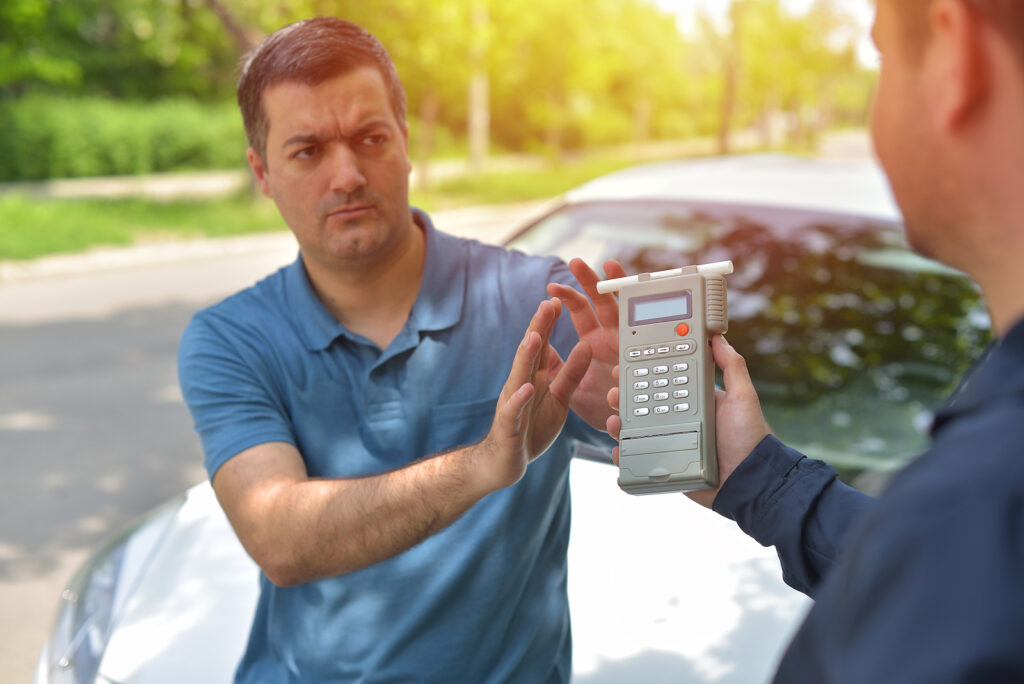
Also, if a driver refuses a breath or chemical test from a law enforcement officer, the driver’s driving privileges are instantly suspended for 6 months in Indiana. At the time of registration, all drivers agree to this penalty. You must sign in accordance with this regulation if you want to be a legally, registered driver.

Most drivers’ license suspensions fall between 90 days and 6 months, but some can be ordered to up to 5 years, including probationary driving terms. Additional reasons why drivers’ licenses are suspended:

▷ Lack of Auto Insurance
▷ 18+ Active Points
▷ Driving While Suspended
▷ Failure to Appear for Court
▷ Past Due on Indiana Traffic Ticket
▷ Failure to Pay Traffic Fine

How to Reinstate a Suspended Drivers’ License

First and foremost, to anyone who has been charged with a DUI/OWI, you only have 10 DAYS from the time of arrest to protect your driving privileges. Act FAST and contact an Indianapolis criminal attorney as soon as you have access to a phone. Those charged or convicted of a DUI may be entitled to a “hardship” or “probationary” license, which is now referred to as specialized driving privileges (SDP).

For all other suspended drivers’ license cases, it is still required to hire a skilled criminal lawyer for help recovering your driving privileges. They will ensure that all proper forms and documents for license reinstatement are completed properly and on time, and then fight for your driving rights and freedoms in Indiana traffic court and appellate court.

During the reinstatement process, your attorney can help get your active points reduced or eliminated from your driving record, direct you on how to pay fines and make restitution, help you enroll in a driver’s safety program, and even have your name removed from the Previously Uninsured Motorists registry.

Not sure who to trust with your drivers’ license reinstatement legal needs? Contact the Law Office of David E. Lewis at 317-636-7514 to connect with one of our esteemed criminal defense attorneys in Indianapolis, Indiana. We can meet over the phone, via online video conference, or in person at our office.

Related Posts:

Will My Criminal Charges Effect My Indiana Drivers’ License?
Am I Eligible for a Hardship Drivers’ License in Indiana?
Advice for Parents Whose Kids Drive Drunk
Will I Be Pulled Over for Texting and Driving in Indiana?

Indianapolis Criminal Defense 317-636-7514
Schedule a Free Consultation Today!

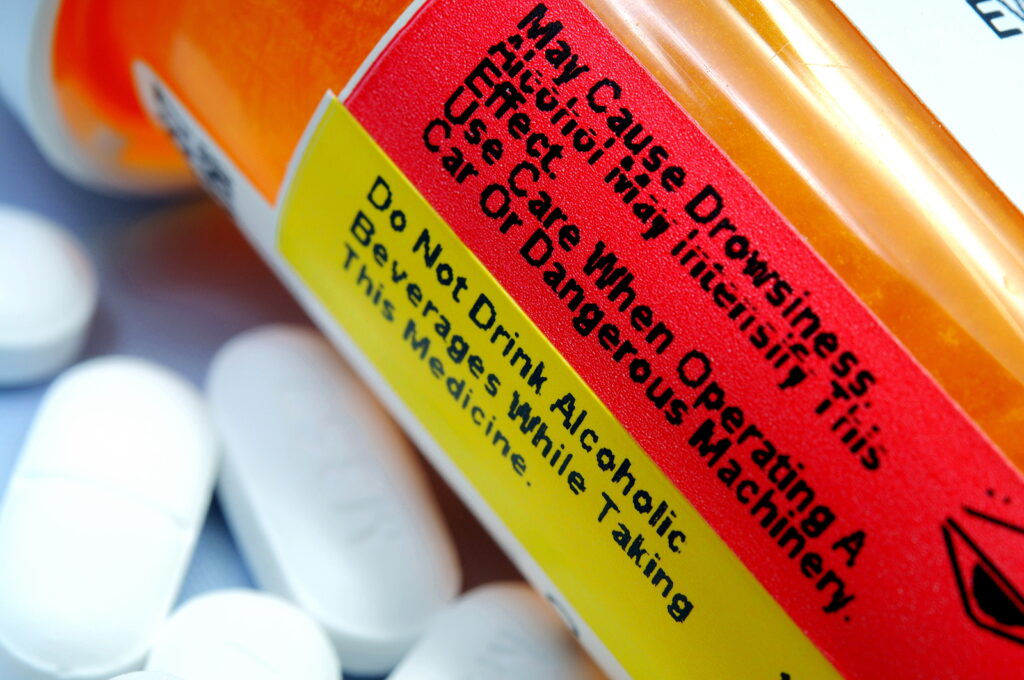
What to Do if You are Facing Prescription Drug Charges in Indianapolis

Getting caught with illegal prescription drugs is a serious crime in our state. If it happens to you, act now to protect yourself. Don’t fall victim to the maximum penalties for your prescription drug charges in Indiana. Let a seasoned Indianapolis criminal defense attorney build an impactful defense to protect your rights and preserve your freedoms.

Continue below to learn exactly what you need to do to ensure your criminal defense is aggressive enough to reduce or dismiss your Indiana prescription drug charges.

Prescription Drug Charge Lawyer Indiana 317-636-7514

Prescription Medications are a Schedule II Drug in Indiana

According to Indiana Code 35-48-2-6, Schedule two drugs are considered to be any drug less dangerous than Schedule I drugs. They may have legitimate medical uses, but with a high risk of abuse. A drug can be classified as a Schedule II if it has high abuse potential, is either medically accepted or has severe medical restrictions, and causes physical and psychological dependence.

Prescription drug crimes have become an exponential epidemic in the United States over the past five years. And Since Indiana does not see drug addiction and usage as a health epidemic, but rather a crime, there will always be a need for a tough criminal defense drug crime lawyer in Indianapolis.

Your First Step After Being Arrested on Prescription Drug Charges

If you have been recently arrested for prescription drug possession or trafficking, you need David E. Lewis, Attorney at Law, on your side. He will build a strong custom defense based on your unique case circumstances to obtain a better outcome for you in court.

Attorney David E. Lewis understands just how damaging a prescription drug conviction can be to a person’s life, as well as the lives of their loved ones. It can negatively affect almost every aspect, from student financial aid and employment possibilities to child custody privileges, housing rental, loans, driving privileges, and much more.

For this reason, the law firm of David E. Lewis stays ahead of the trial and investigates and argues every facet and allegation of a client’s case to preserve their constitutional rights as well as their future. Contact us today at 317-636-7514 so we can begin to fight your Indianapolis IN prescription drug charges. We represent clients all throughout the state of Indiana.

Related Posts:

Information You Need to Know About Prescription Drug Abuse in Indiana
State and Federal Penalties for Getting Caught With Prescription Drugs
Common Drug Crime Terminology

Indianapolis Criminal Defense 317-636-7514
Schedule a Free Consultation Today!

What Happens if I Violate My Probation in Indiana?

You are on probation because the courts decided you do not need to be in jail to serve out your criminal sentence. Although you are not in jail, being on probation has many restrictions and rules. Breaking any of these terms and conditions of probation will lead to a probation violation. What happens if you violate your probation in Indiana? Continue reading to learn what you need to know about violations of probation.

Probation Violation Attorney Indianapolis Indiana 317-636-7514

After a Probation Violation

Once you are assumed to have violated the terms of your probation, the overseeing probation officer assigned to your case will notify the courts. Then a probation violation hearing will be scheduled. If you are on probation for a felony conviction, an arrest warrant will be issued to take you into custody as soon as possible.

Law enforcement will come to your house or place of employment. If you were convicted of a lesser criminal offense, such as a misdemeanor or infraction, you will likely just be notified of the hearing and expected to arrive on time.

Probation Violation Hearing

At the probation violation hearing, the judge will decide whether to revoke your probation and place you in jail, prolong your probation, or dismiss the violation altogether. Either way, if you are ever in violation of your probation, it is critical to hire an Indianapolis criminal defense lawyer immediately.

During the hearing, prosecution will use all sorts of legal tactics to prove that you in fact violated the terms and conditions of your probation. Prosecution simply needs to prove their case with a preponderance of the evidence, which is a legal term that basically means they have enough proof to show you are more likely than not in violation of your probation.

Determined to Be in Violation

If prosecution is successful and the court decides you have in fact violated your probation, your probation sentence could be revoked, and you could be sent to jail. The amount of time you’ll be sentenced to jail will depend on the Indiana sentencing guidelines for the particular offense you are convicted of.

With a skilled Indianapolis Indiana criminal defense attorney, you can feel confident that jail time will not be an end result to your probation violation hearing. An experienced lawyer can build an impactful case against your probation violation charges and negotiate a more lenient sentence on your behalf. They may even be able to throw your violation allegation out of court altogether.

Are you looking for a criminal defense law firm to help you beat your probation violation in Indiana? Contact the Law Office of David E. Lewis at 317-636-7514 for skilled criminal defense for probation violations in Indianapolis. We represent juveniles and adults all throughout the state of Indiana.

Related Posts:

Facts About Violating Probation in Indiana
What is Split Sentencing in a Criminal Case?
What is a Commuted Sentence?

Indianapolis Criminal Defense 317-636-7514
Schedule a Free Consultation Today!

How to Appeal Your Indiana Criminal Sentence

Whether you have been wrongfully convicted or sentenced too harshly, your best recourse is to file a criminal sentence appeal. Continue reading to learn how to appeal your Indiana criminal sentence, including who to trust for superior and aggressive criminal defense representation.

Criminal Appeals Lawyer Indianapolis Indiana 317-636-7514

Appealing a Criminal Sentence Requires the Help of a Skilled Lawyer

If you want to successfully appeal a criminal sentence in Indiana, you will need a skilled and seasoned defense lawyer who has experience with criminal appeals and expungements. Without the help of an experienced criminal defense lawyer, your chances that appealing or reducing your criminal sentence are few and far between.

Criminal Convictions Versus Criminal Sentences

First you are convicted, meaning you are found guilty of the charges brought against you. Once you are convicted, you will be sentenced to certain penalties for your fence. However, you can appeal your conviction and your criminal sentence at the same time. However, you have a limited period of time to file a notice of appeal, which is just another reason why it is so important to hire a professional criminal defense lawyer to navigate your proceedings. Your attorney can make sure that you meet all deadlines and submit all necessary documents to move forward with a successful criminal sentence appeal.

Appealing Legal Errors

The majority of criminal sentences that are appealed successfully are those that contain legal errors that contributed to the conviction or sentencing in the first place. For instance, if the judge makes a mistake applying the law in your sentencing or applies the wrong sentencing factors or the wrong penalty provisions, you have a good chance that appealing since the errors led to an incompatible or unfair sentence.

Plea Bargains

Sometimes, plea bargains include a clause that waive a defendant’ rights to an appeal if they accept the plea bargain. So, if you plead guilty pursuant to a plea bargain, and the plea deal contained declarations that waive your right to filing an appeal afterwards, you cannot appeal your sentence or conviction. You may be eligible for criminal record expungement after some time passes from the date of your conviction.

Losing Your Appeal

If your criminal sentence appeal is unsuccessful, your defense attorney may be able to submit a criminal record expungement application for you. A new law in Indiana allows past offenders Indiana allows certain people to or seal their criminal records from the public, making it much easier to get a job, get a loan, apply to college, rent housing, and much more.

Are you looking for a skilled Indiana criminal defense attorney who can appeal or reduce your criminal sentence? Contact Attorney David E. Lewis at 317-636-7514 for qualified legal representation for criminal appeals and expungement in Indianapolis, Indiana.

Related Posts:

FAQS Regarding Indiana Handgun Appeals
What is Split Sentencing in a Criminal Case?
Do I Withdraw My Plea or File an Appeal?
What are the Sentencing Guidelines for Indiana?

Indianapolis Criminal Defense 317-636-7514
Schedule a Free Consultation Today!

Can My Lawyer Get Me Out of Jail?

Being arrested and taken to jail for any crime is a startling experience, whether it’s a first arrest or a fifth. In all cases of arrest, the first question that comes to a defendant’s mind is, “how can I get out of jail as soon as possible?” With family at home and work on the line, getting out of jail quickly should be a top priority. Although many people turn to their own social and familial circles to arrange bail bond services for their release from jail, a lawyer can do this much faster and with a higher level of security.

Continue reading to learn how your lawyer can get you out of jail, and where to find a top criminal defense attorney in Indianapolis, Indiana.

Bail Bond Lawyers Indianapolis Indiana 317-636-7514

Criminal Defense Attorneys Work Faster and Smarter

In the case that you are arrested or surrendering to an arrest warrant, it is important to hire a seasoned criminal defense attorney to represent your case. Regardless of the severity of your criminal charges, a lawyer can significantly reduce or even to dismiss your sentence. It is always in the best interest of your future and your freedoms to retain professional legal counsel after being charged with a crime in Indiana.

With this in mind, you can help your friends and family by relieving them of the responsibility of getting you out of jail. Rather than your friends or family members calling a bail bond company in arranging bail bond service, you can simply go straight to the best legal resource which is your higher cripple defense attorney.

Your First Call After Being Arrested

After being arrested, your first priority should be to contact a veteran criminal defense attorney in Indianapolis. They can get you out of jail quickly because they have long-standing connections and good relationships with the local jails and courts. If you are preparing to surrender to an arrest warrant, you can hire and meet with your attorney beforehand, which significantly reduces the arrest warrant surrender and bail bond process time.

Here’s what a criminal defense attorney can do for you after being arrested:

They can arrange or bail bond.

They can waive my registration on your behalf.

They can establish a pretrial release.

If your bond is too high, they can motion for a bond reduction hearing.

Are you ready to hire a criminal defense attorney to help you surrender to an arrest warrant in Indianapolis? Contact the Law Office of David E. Lewis at 317-636-7514 for skilled criminal defense in Indianapolis, Indiana. We can hold meetings over the phone, via online conferencing, or in person at her Indianapolis office.

You Should Also Read:

What is the Criminal Bail Bond Process in Indiana?
Do I Call a Bail Bondsman or a Lawyer First?
When You Might Go to Jail for a DUI

Indianapolis Criminal Defense 317-636-7514
Schedule a Free Consultation Today!

Top FAQS About Criminal Search and Seizures

Facing criminal charges is not a pleasant experience, regardless of how major or minor they may be. But, if you have the right knowledge, prepare accordingly, and hire a skilled criminal defense attorney, you can help ease the anxiety and fear that generally comes along being a criminal defendant. Many suspected offenders want to know the laws and procedures surrounding criminal search and seizures, as this is often the beginning of the indictment and criminal investigation process.

Continue below to review the top frequently asked questions about search and seizures, as well as how to protect your rights as you face criminal charges in Indiana.

Criminal Lawyer in Indianapolis IN 317-636-7514

Frequently Asked Questions About Search and Seizures

Does Our Fourth Amendment Right Protect Us Against Illegal Searches?

The 4th Amendment of the United States Constitution gives citizens the right to be free of unlawful or unreasonable searches and seizures by law enforcement officials. This means that police and other forms of law enforcement must have a good reason to legally search you or your property, as well as seize personal belongings or make an arrest.

“Good reason” is established when police identify tangible evidence or facts that leads them to believe a person is committing, has committed, or intends to commit a crime. This is also referred to as probable cause. If sufficient probable cause is present during a police encounter in a place where privacy is not expected, a search and seizure is not deemed unreasonable, therefore, it is not illegal.

Can a Cop Search My Property Without My Permission?

Since police have the authority to make a probable cause determination, they can legally search your property if they want to, whether dwelling, vehicle, storage unit, barn, or shed. There is very little chance that they are found guilty of an illegal search later on.

Can I Refuse or Resist a Search?

There are several complexities involved with an officer’s right to perform legal searches without warrants, so you may be confused on whether or not your 4th Amendment right applies. In fact, a person can potentially be arrested and held in custody for resisting a search. If you believe you were unfairly searched, you can always file a claim afterwards that alleges a violation of your rights. Talk to a licensed Indianapolis criminal defense lawyer to learn your rights and get help with your case.

How Do I Know if a Search Warrant is Valid?

There are ways you can ensure that a search warrant is legally standing and valid. When confronted with a search warrant by law enforcement, review the document and look for a magistrate’s signature, a description of the location to be searched, and a description of the items to be seized.

Can a Cop Read My Text Messages and Mail?

Whether snail mail, email, or text messages, a law enforcement officer can read through your literature if they have a valid search warrant. Once you are placed under arrest, police can confiscate and search through any belongings you have in your possession or on your person, such as purses, bags, wallets, and in some cases, cell phones. This is known as a “search incident to arrest.” Not all states allow a cell phone search under these circumstances, and instead, require a warrant to do so.

Are you facing criminal charges in Indiana and wish to dismiss or reduce them? Contact Attorney David E. Lewis at 317-636-7514 to speak with a skilled and aggressive criminal defense lawyer in Indianapolis, Indiana. Act fast so that you may avoid the maximum penalties for your charges!

You Should Also Like:

Facts About Police Stops and Pat Downs
Examples of Unlawful Search and Seizures
Can I Refuse a Dog Sniff Search of My Vehicle?

Indianapolis Criminal Defense 317-636-7514
Schedule a Free Consultation Today!

Are Burglary and Robbery Charges the Same in Indiana?

Burglary and robbery are two separate types of theft crimes that come with a separate set of penalties here in Indiana. Continue reading to learn the difference between burglary and robbery, including how they are penalized and the best way to avoid their maximum penalties.

Theft Lawyer Indianapolis IN 317-636-7514

Burglary and Robbery Fall Under the Category of Theft

It is common to confuse the crime of burglary with the crime of robbery. Many are unaware that there is a distinct legal difference.

Robbery – Robbery is the crime of taking a person’s property or money by force, violence, or intimidation, with the intent of withholding such property from them permanently.

Burglary – Burglary is the crime of illegally entering or breaking into a residence, building, or structure with the intent of committing a felony-level theft offense.  

Here in Indiana, the punishments for burglary and theft are much different, and depend on the specific variables of the crime.

Burglary Penalties in Indiana

If a person breaks into a place that is not a dwelling or residence, such as a business or storage unit, the act is charged as a Level 5 felony. Level 5 felons are generally sentenced to anywhere from 1 to 6 years in prison with an advisory jail time of 3 years, and up to $10,000 in fines.

If a person unlawfully enters or breaks into a dwelling or residence, such as a house, apartment, condominium, mobile home, or town home, the act is charged as a Level 4 felony. Level 4 felonies are punishable by 2 to 12 years in prison with an advisory jail time of 6 years, and up to $10,000 in fines.

If a person is injured during the burglary, the offense bumps up to a Level 3 felony, which is punishable by 3 to 16 years in prison with an advisory jail time of 9 years, and up to $10,000 in fines.

See the Indiana Code Section 35-43-2-1 to learn the details surrounding the statutes and penalties for burglary.

Robbery Penalties in Indiana

If a person commits the crime of robbery, they are generally charged with a Level 5 Felony, which is penalized by up to 6 years in prison and up to $10,000 in fines.

If a person uses a deadly weapon to commit robbery, it is charged as armed robbery, which comes with more serious penalties. Armed robbery is charged as a Level 3 Felony, which as already mentioned, is punishable by up to 16 years in prison and up to $10,000 in fines.

Repeat offenders can face up to three times the advisory prison sentences for robbery.

See the Indiana Code Section 35-43-5-1 to learn the details surrounding the statutes and penalties for robbery.

Are you facing felony theft charges like robbery or burglary in Indiana? Contact Attorney David E. Lewis at 317-636-7514 for the best chance at reducing or beating your theft charges in Indianapolis. We represent defendants all throughout the state, and can hold consultations and meetings in person or over the phone.

You Should Also Read:

The Difference Between Car Theft and Grand Theft Auto
Were You Charged With Misdemeanor or Felony Theft in Indiana?
Typical Sentence for Indiana Shoplifting Charge

Indianapolis Criminal Defense 317-636-7514
Schedule a Free Consultation Today!

Will My Kid Be Tried in Adult Criminal Court?

Although your teenager is still juvenile under the eyes of the law, they may not be tried as one if they are charged with a crime. Sometimes, juveniles end up in adult criminal court, where penalties are more severe and longer-lasting. If your kid has just been arrested and charged with a criminal offense in Indiana, you may wonder if they will be tried as an adult or a juvenile.

Continue reading to learn the top three ways a juvenile is tried in adult court and how to protect your child from receiving the maximum penalties for their Indiana criminal charges.

Juvenile Criminal Defense Indianapolis Indiana 317-636-7514

Juveniles 16 Year of Age or Older May Be Tried as an Adult

Although a juvenile is a minor under 18 years old according to both Federal and state laws, in criminal cases, teenagers between the ages of 16 and 17 years old are those who would typically be considered for adult court; but only under specific circumstances.

Even the Supreme Court recognizes that juveniles are not yet matured, and do not retain the proper emotional intelligence or impulse control to fully understand the wrongfulness of their crimes, nor the foreseeable consequences.

For this reason, there are juvenile courts that are specifically tailored to juvenile criminal cases and juvenile rehabilitation. However, there are ways for prosecuting attorneys to treat juveniles like adults in adult criminal court.

A prosecutor’s office has three methods of doing this:

Direct File – They can seek to directly file the juvenile in the adult court, which does not require any sort of juvenile court hearing for approval, nor does the judge have any say-so in the prosecution’s decision. In order for prosecution to directly file a juvenile’s criminal charges in adult court, the criminal charge must fall under IC 31-30-1-4. Examples of charges on this list include attempted murder, murder, rape, kidnapping, robbery with a deadly weapon, robbery that causes serious bodily injury, and carrying a gun at school without a license.

Waive to File IC 31-30-3 allows prosecution to seek to waive charged juveniles to adult court. This differs from a direct file procedure because the motion must be filed and adjudicated in juvenile court first. Also, judges to have discretion in the decision. The 3 kinds of waivers include Discretionary, Presumptive, and Mandatory waivers. The waiver chosen depends on the age and nature of criminal charge.

Prior Successful Waiver/Subsequent Felony Charge – A prior successful waiver and subsequent felony charge is the third method of bringing charges against a juvenile offender in adult court, which is allotted under IC 31-30-1-2. If the juvenile is charged with a felony but was previously waived to adult court for a prior charge, prosecution will automatically file their new charges in adult court. However, if the juvenile’s new charges are on a misdemeanor level, and they were previously waived to adult court on felony charges, they will NOT automatically be turned over to the adult criminal justice system.

Hire an Indiana Criminal Lawyer for Superior Legal Protection

This information and Indiana Codes are confusing to anyone who is not well-versed in state and federal criminal law. It is vital to discuss all of your criminal charge and conviction concerns with an experienced criminal defense lawyer in Indianapolis. They have the knowledge and resources to navigate your kid’s criminal defense in a direction that minimizes their charges and subsequent penalties.

Are you looking for an aggressive and skilled criminal defense law firm for your daughter or son’s Indiana or federal criminal charges? Contact the Law Office of David E. Lewis at 317-636-7514 for professional criminal defense in Indianapolis, Indiana. We represent adults, minors, and juveniles all across the state.

You Might Also Like:

Top Indiana Criminal Law Facts Everyone Wants to Know
Advice for Parents Whose Kids Drive Drunk
Can Parents Be Held Liable for their Kids’ Crimes?

Indianapolis Criminal Defense 317-636-7514
Schedule a Free Consultation Today!

Can All Criminal Records Be Expunged in Indiana?

Having a criminal record in Indiana holds you back from a heap of opportunities. From employment and school admissions to promotion prospects, banking, leasing a residence, and even dating, your criminal record can play a role in various aspects of your life, and not in a good way. Now that Indiana has a new law permitting the expungement or ceiling of criminal records, you might be wondering which criminal records of yours are eligible. This is a smart question because not all criminal records can be expunged in our state.

Continue reading to learn more about criminal record expungement in Indiana, including which criminal records can be expunged and which cannot.

Expungement Lawyer Services Indianapolis IN 317-636-7514

Indiana’s Second Chance Law

Indiana’s Second Chance Law is a new law recently passed allowing allows those with criminal charges, convictions, and arrests to clear such criminal history upon qualification. However, perhaps the most important rule to expunging a criminal record in Indiana is that a petitioner can only file once in a lifetime.

To make matters more complicated, if a mistake is made, such as a simple spelling error or missed deadline, it could cause an expungement petition to be rejected. In such case, the petitioner would lose their chance to file for expungement forever. For this reason, it is vital to hire an Indiana criminal appeals lawyer for legal assistance with criminal record expungement.

Ineligible Criminal Records

Some criminal charges and convictions are not eligible for expungement. Regardless of how long it’s been since the date of the suspected offense, many felony convictions cannot be expunged in Indiana. Charges in convictions not eligible for expungement include, but are not limited to, the following:

▸ Murder
▸ Sex Crimes
▸ Reckless Homicide
▸ Manslaughter
▸ Feticide
▸ Human Trafficking
▸ Assisting or Causing Suicide
▸ Transferring Contaminated Bodily Fluids
▸ Registered Sex Offenders
▸ Inappropriate Communication with a Child

There are additional charges and convictions that do not qualify for criminal record expungement. Ask your Indiana criminal record expungement lawyer for a complete list on eligible and ineligible records.

What You Can Expunge or Seal From Public Access in Indiana

When it comes to arrest records, so long as there was never a conviction you may qualify to expunge or seal this criminal history from public access in Indiana.

As for misdemeanor convictions, most can be expunged or sealed under the criminal record expungement law in Indiana. However, certain qualifications may apply.

Level 6 felonies, formerly referred to as Class D felonies, may qualify for criminal record expungement or criminal record sealing under certain circumstances.

Are you looking for an aggressive criminal defense attorney to appeal your criminal conviction? Or are you interested in cleaning up your criminal history by taking advantage of Indiana’s Second Chance Law? If so, contact the Law Office of David E. Lewis at 317-636-7514 for professional legal assistance with criminal record expungement and appeals in Indianapolis, Indiana.

You Should Also Read:

The Difference Between a Delinquent Offense and a Status Offense
Common Criminal Law Terms and Definitions
Criminal Record Expungement FAQS for 2021

Indianapolis Criminal Defense 317-636-7514
Schedule a Free Consultation Today!